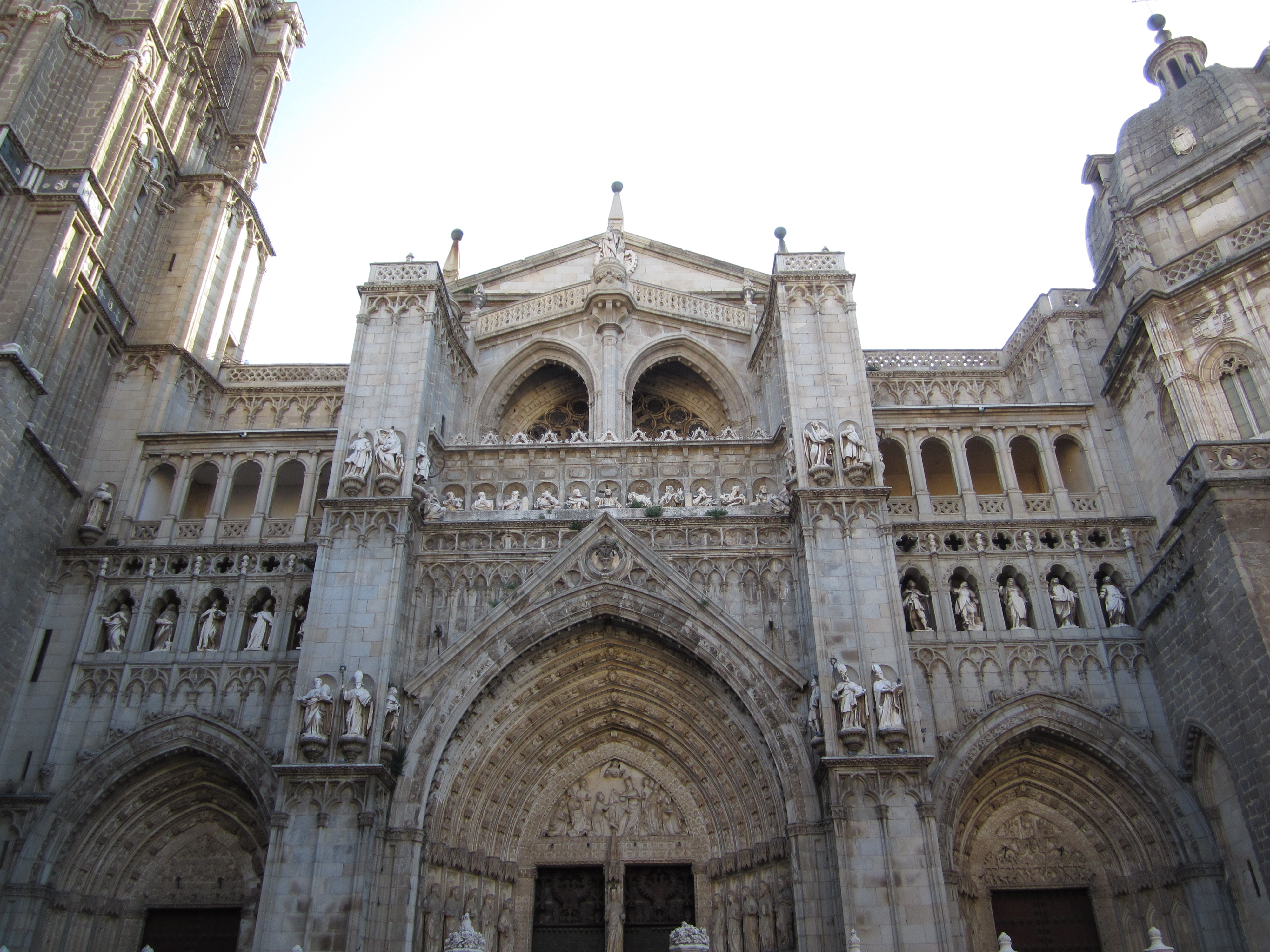
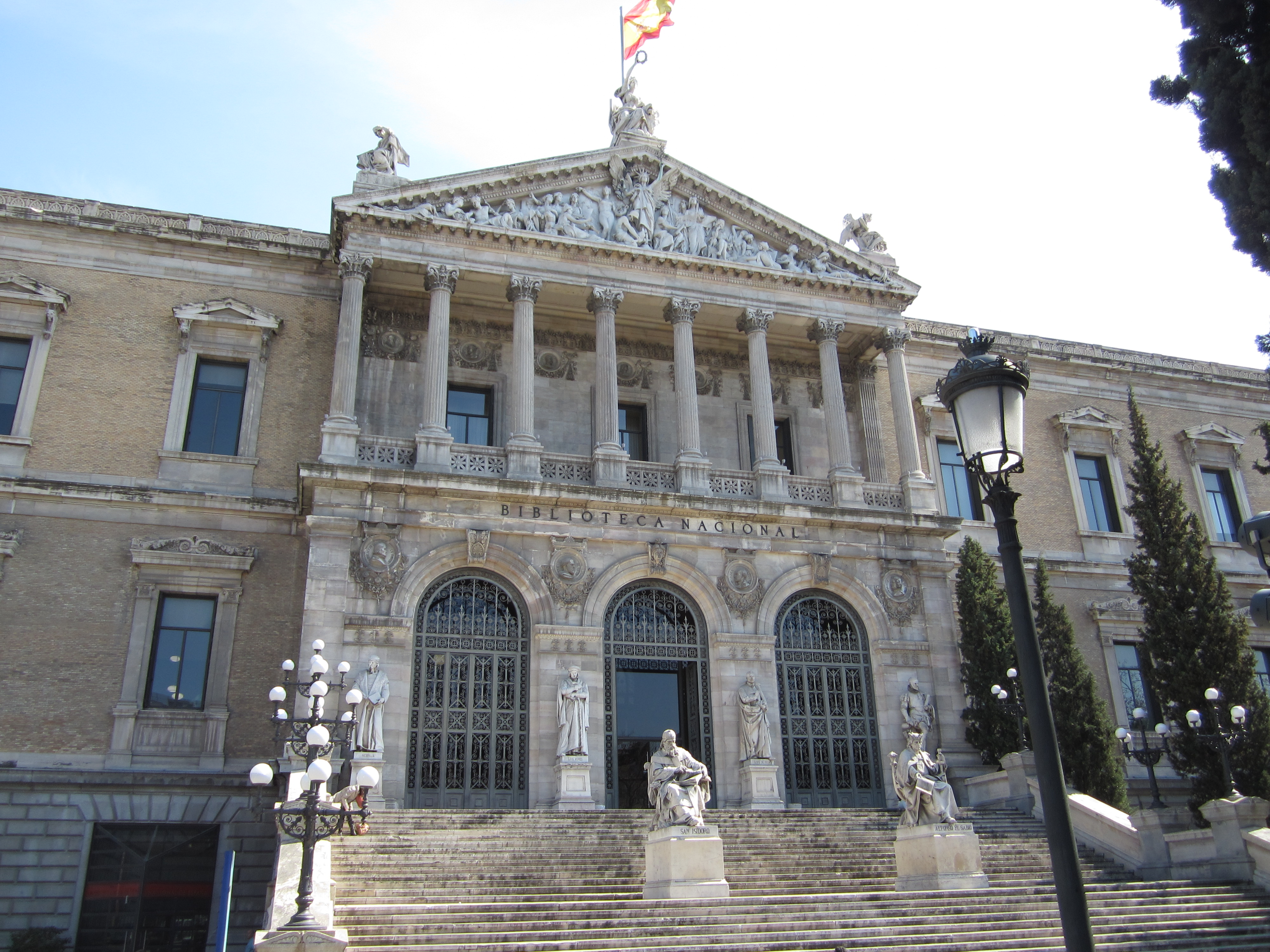
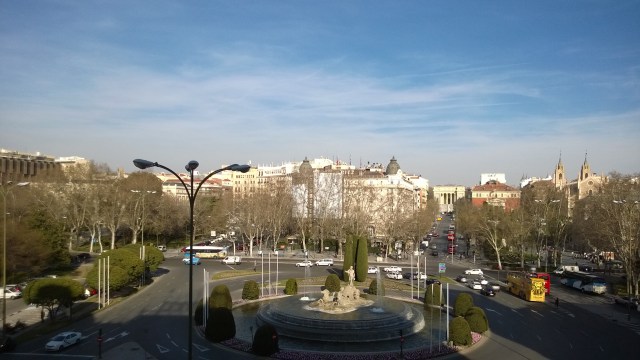
All packed to cover some distance and multiple countries.
Headed east…stay tuned!

Posted from WordPress for Windows Phone 8!
All packed to cover some distance and multiple countries.
Headed east…stay tuned!

Posted from WordPress for Windows Phone 8!
On a recent business trip I had a few hours off to escape and go to the northwest of Israel to visit some of the coastal views where there is no sand, only rocks and cliffs (unusual for Israel which is mostly sand)
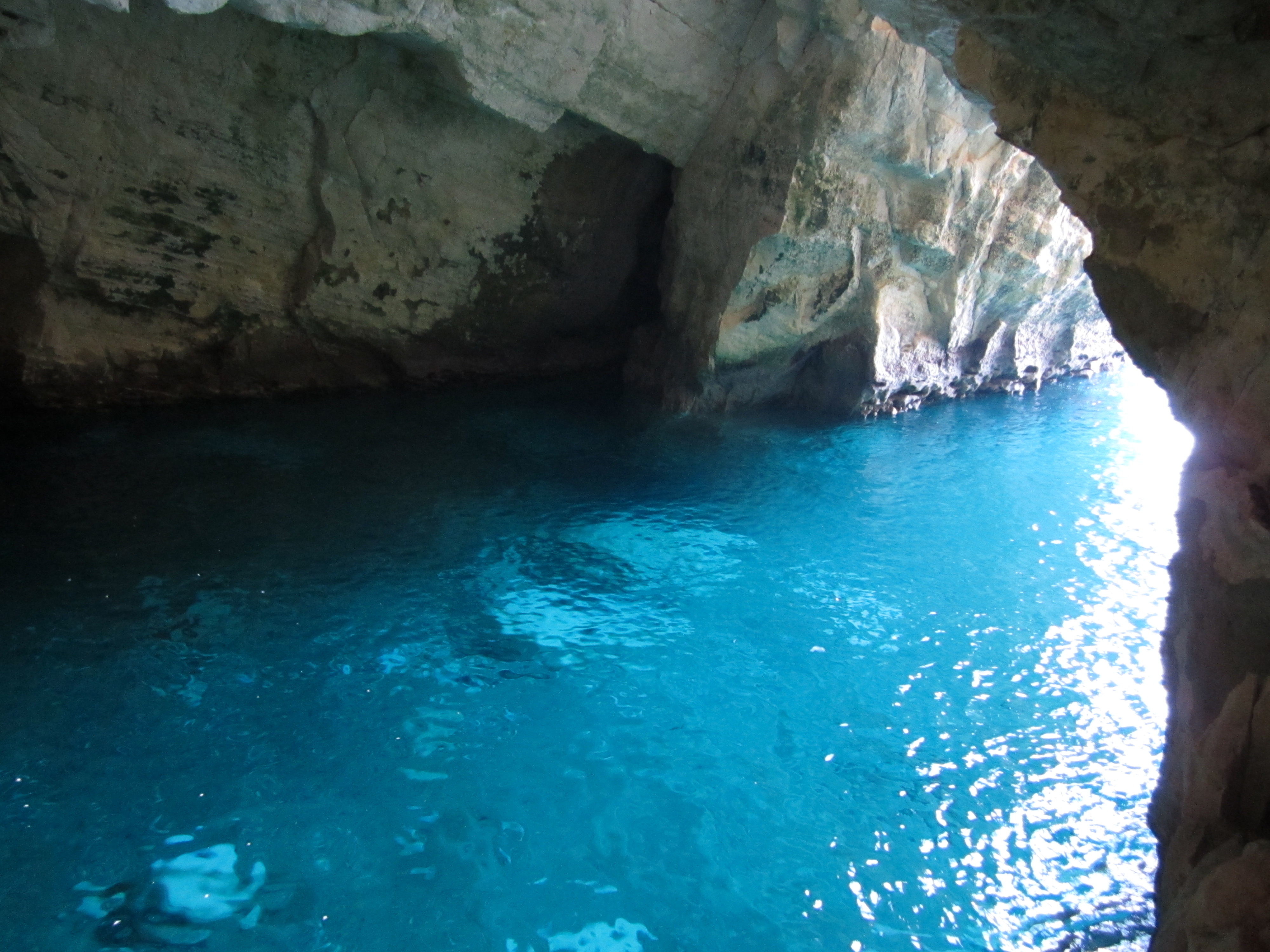
First, I visited the caves of Rosh haNikra which were beautiful and almost like something you would see in the movies
The water was so blue, it almost seemed magical.
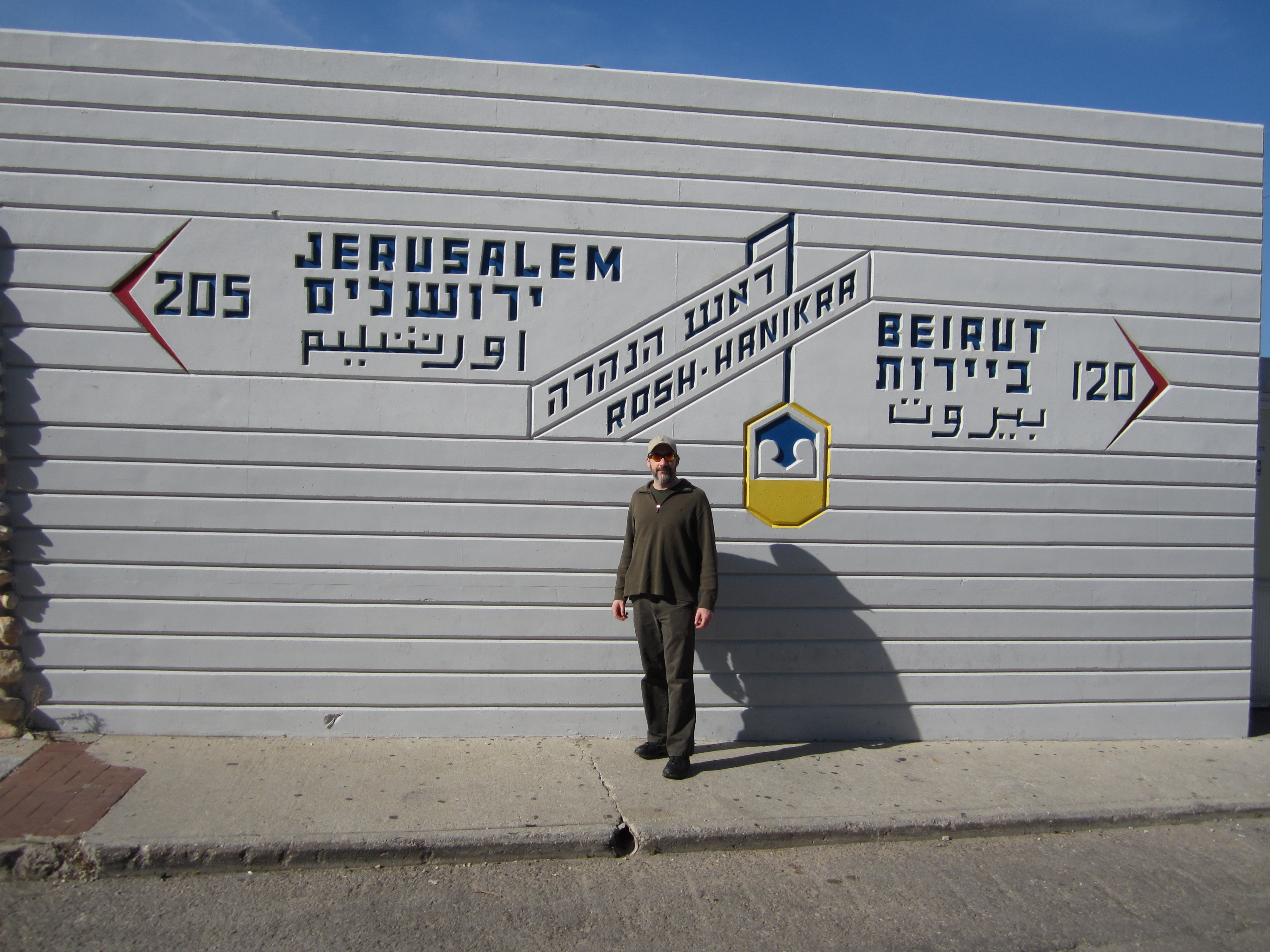
There was originally a railway built here by the British during WWII, but it is now blocked and controlled due to the conflicts of the Middle East. The railway is right at the border of Israel and Lebanon.
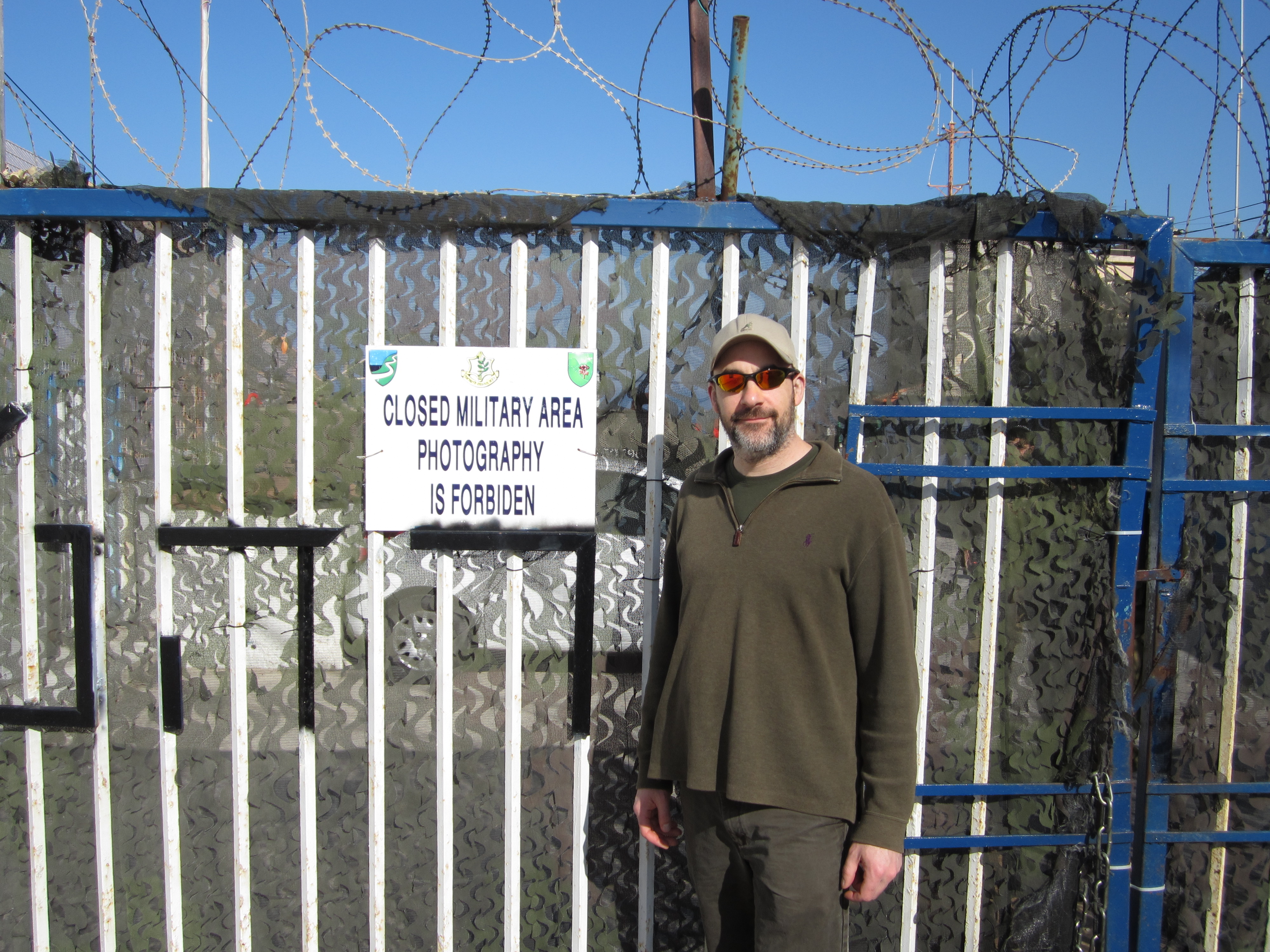
And the military do not let you take pictures around their outpost.
The UN soldiers monitoring the area were nice, they were from Sweden.
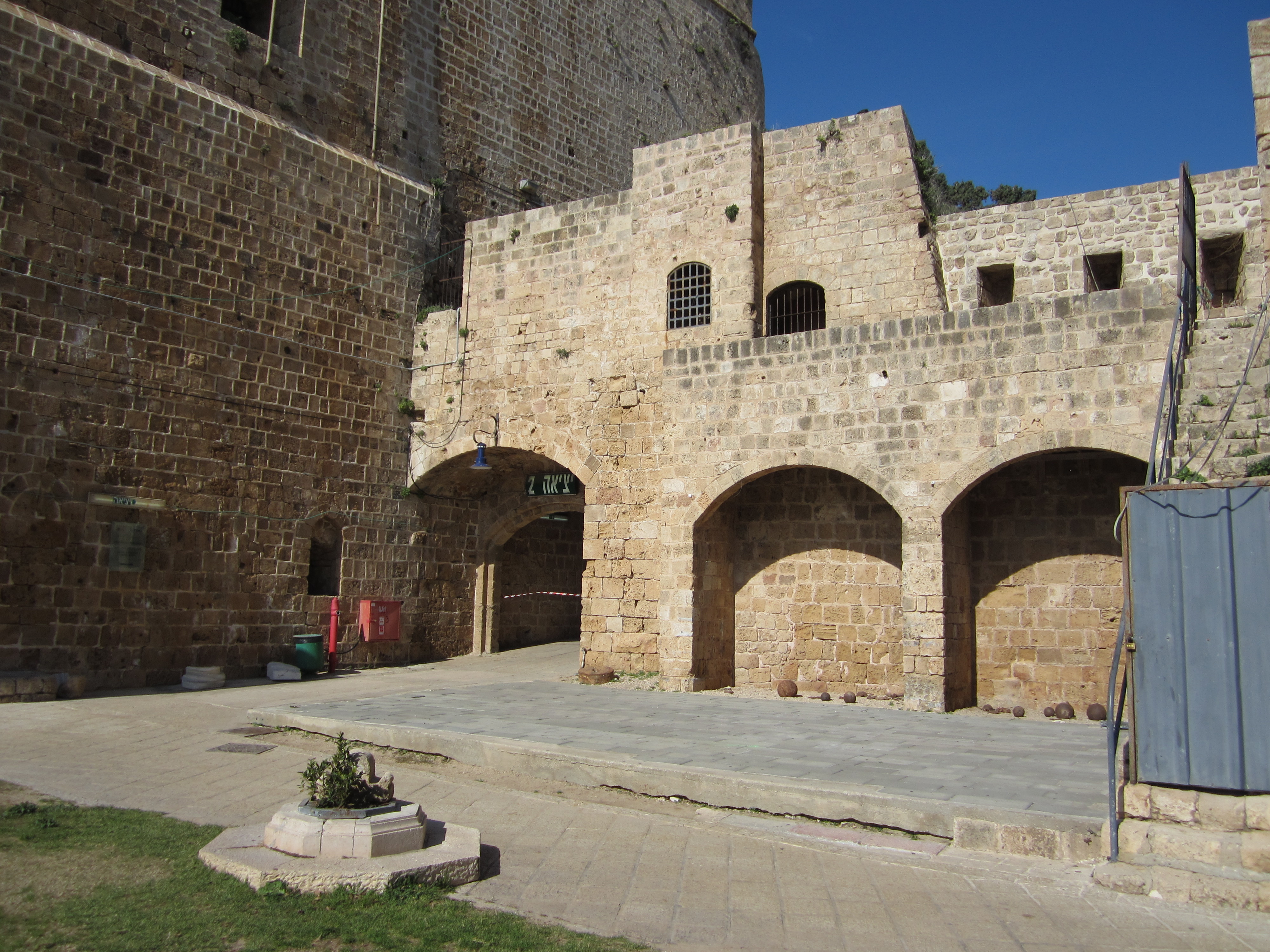
Then I headed back south a little to visit Acre which is famous for the Crusaders and the foundation of the Bahai faith/religion.
They are still excavating areas of the city and the historical findings are quite amazing and breathtaking in some places.
There were so many things to see, I cannot post all the pictures!
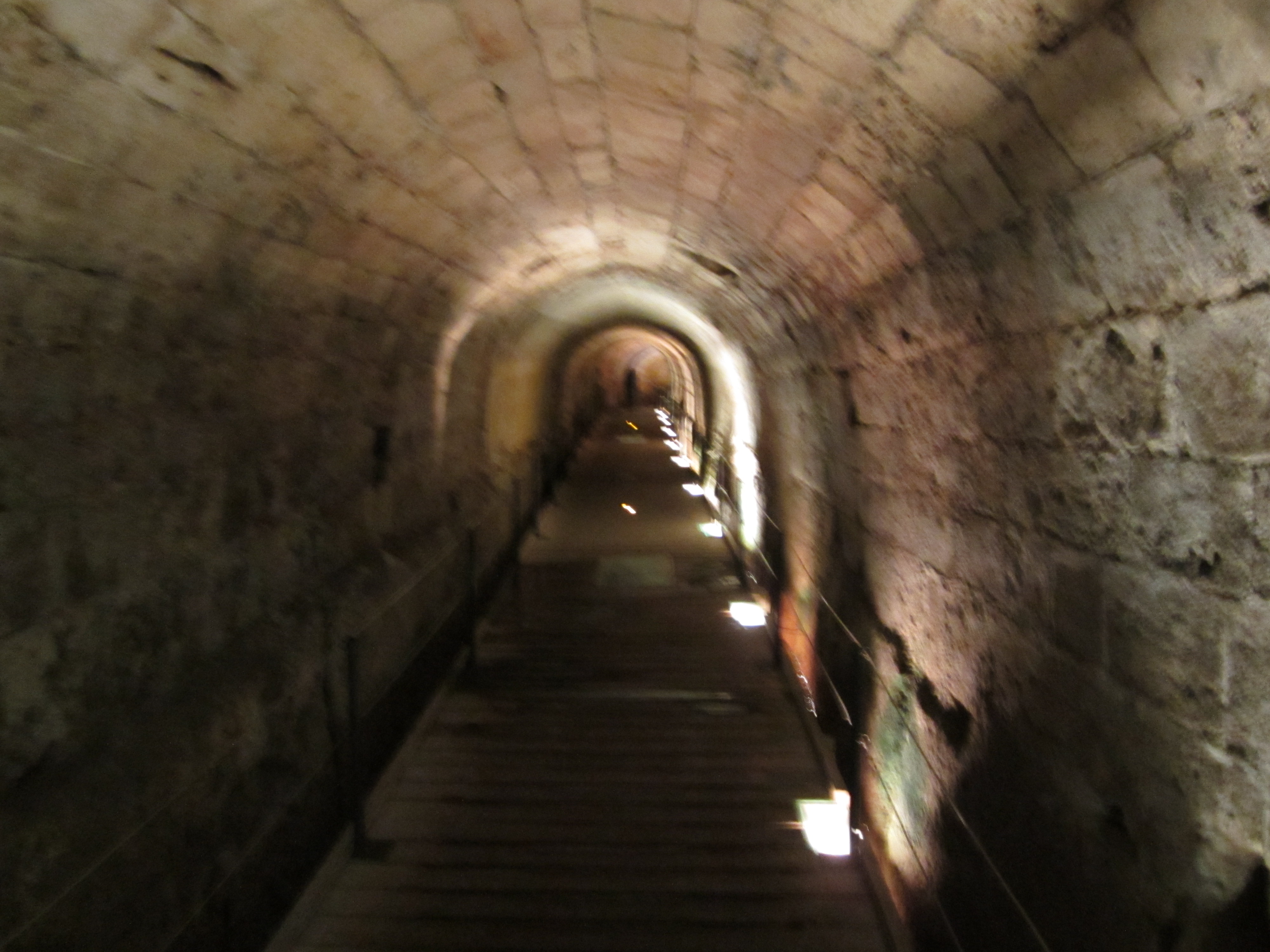
You can walk through the tunnels of the Templars
And have an amazing lunch near the water at the famous Uri Buri restaurant
Although many people do not come this far north in Israel as tourists, I found it to be a very pleasant and friendly mixed population city of both Jewish, Muslims and Christians. Definitely worth a visit that many wish to get a different view of the history of Israel.
You can also check out my other entries from Israel:
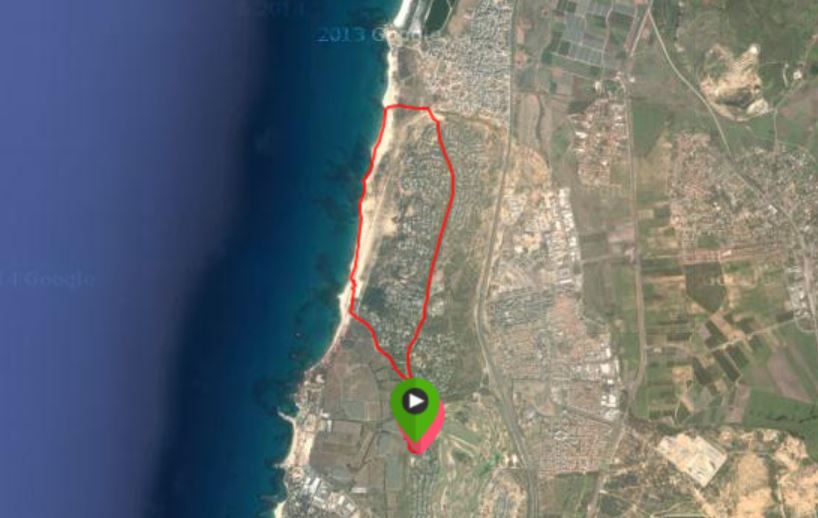
Today was not a working day in the Middle East (Israel), so I took the opportunity to take a long run using one of my favorite routes in the world (Caesarea, Israel).
I like to start out by running between the northern part of Caesarea and the poor Arab village of Jisr_az-Zarqa (which is always safe)
But they now definitely have cameras watching all your moves near the borders of the city
It is an amazing experience when you can run along the Mediterranean ocean all by yourself and have the entire beach as your personal training route
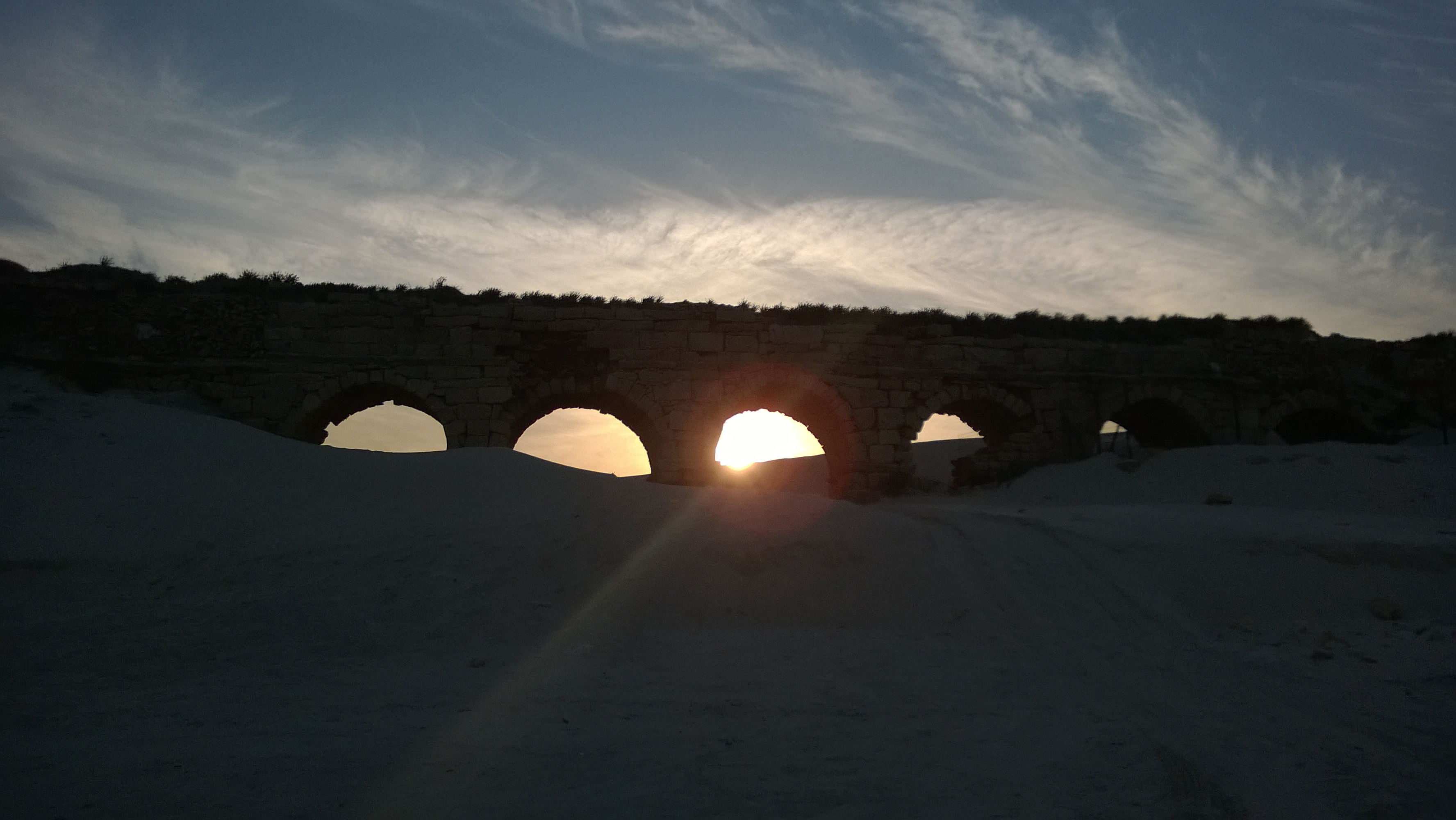
When the sun is just rising above the sand dunes
And ancient Roman aqueduct
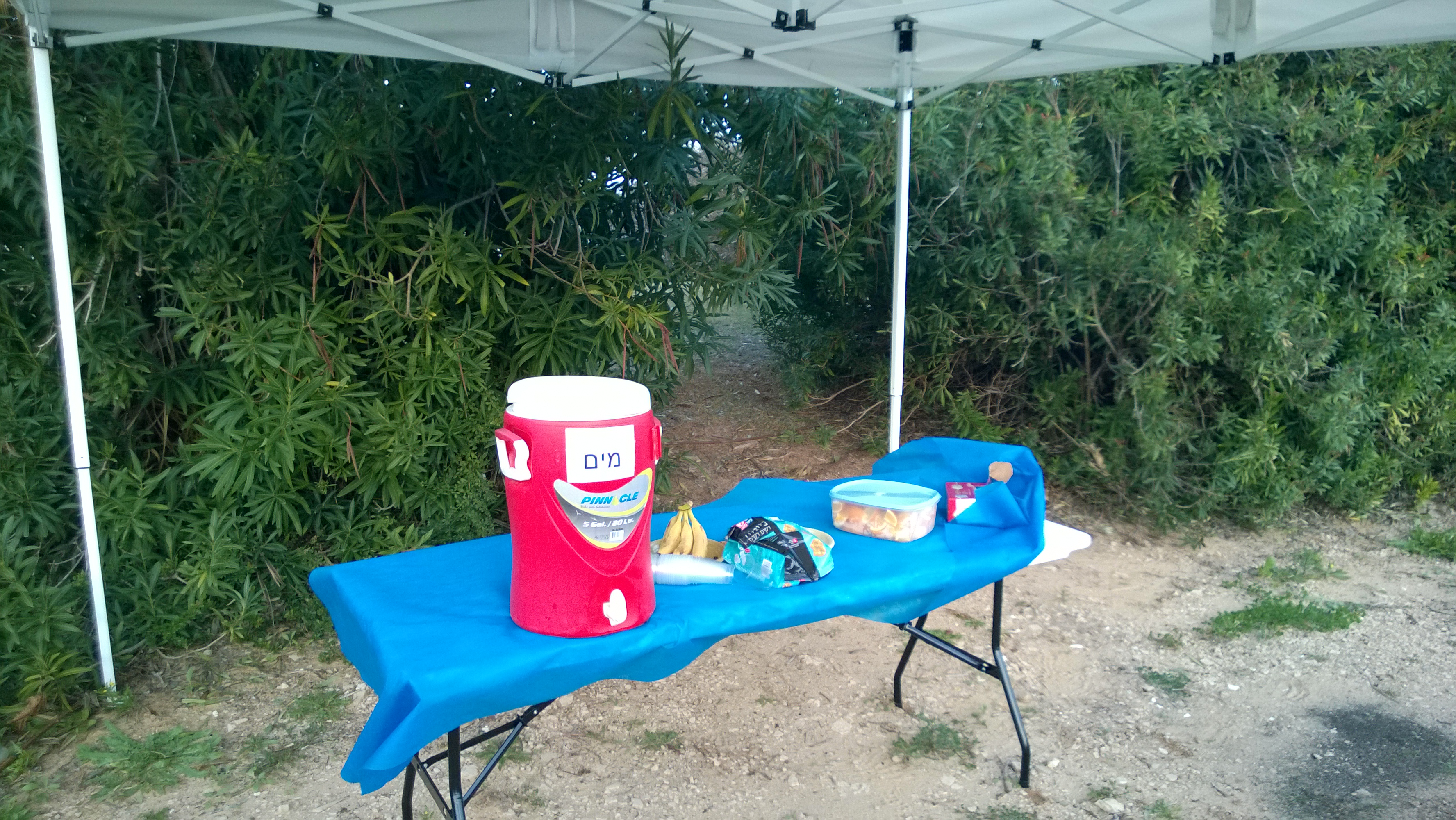
The one thing I was really surprised to find today…is there was a running club this morning with fuel and water and dozens of people running routes along the main road.
You have to love running with others in other countries with this much history and landmarks 🙂
You can also check out my other entries from Israel:
Some great weather today…especially if you can guess what we did this morning?
Run of course!
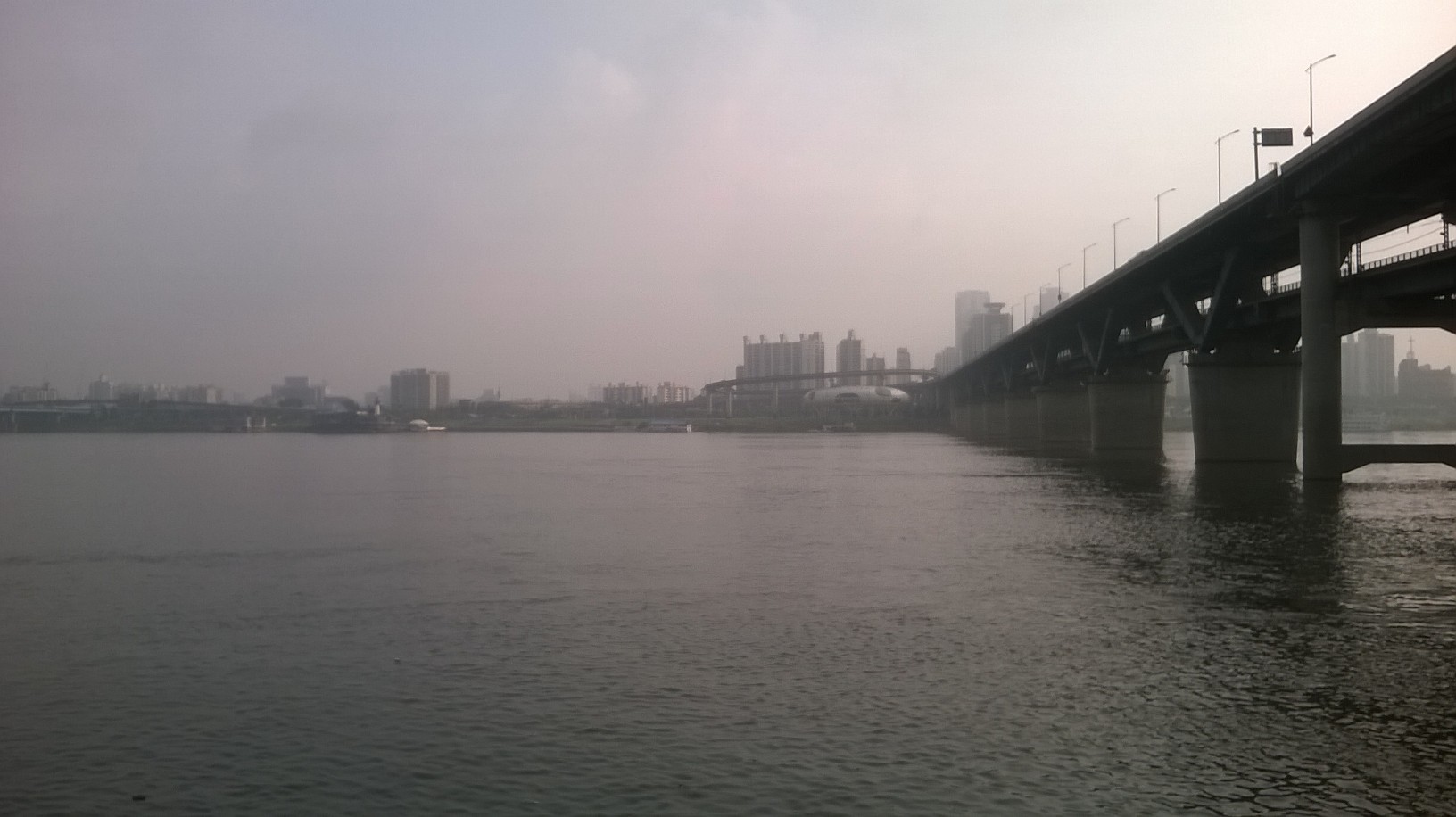
It was a little foggy, but the cool mist was great to run with all the local runners and bikers along the river.
One of the best set of fitness trails we have seen since Iceland. Lots of room and distance to meet all needs.
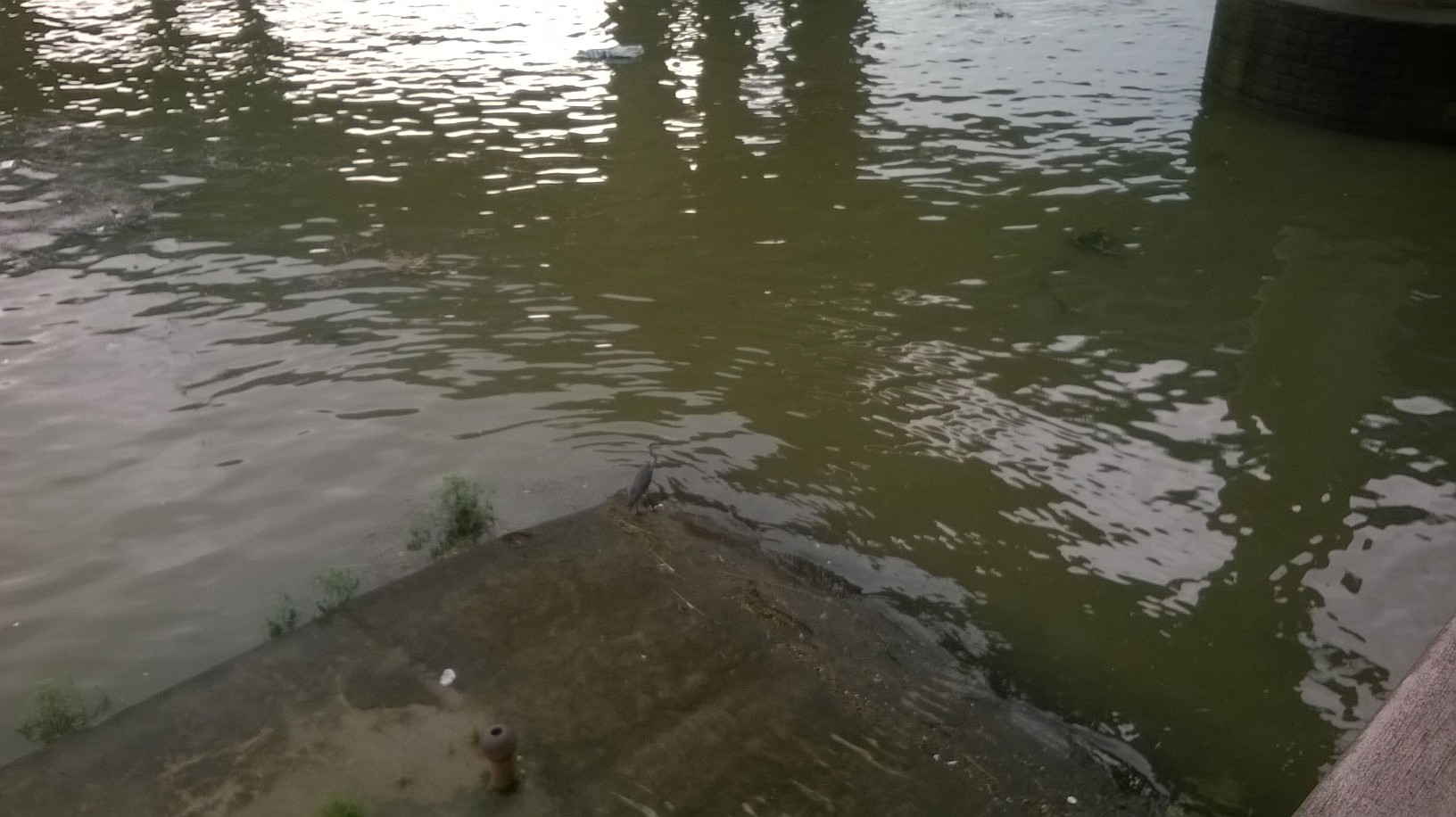
And a nice collection of birds for those that love nature. Only got one heron in this pic I think.
I did not cross the river, but I was tempted to go across to see the famous crashed UFO where Samsung gets a lot of their innovative technology from. If you look carefully, you can see it in the distance.
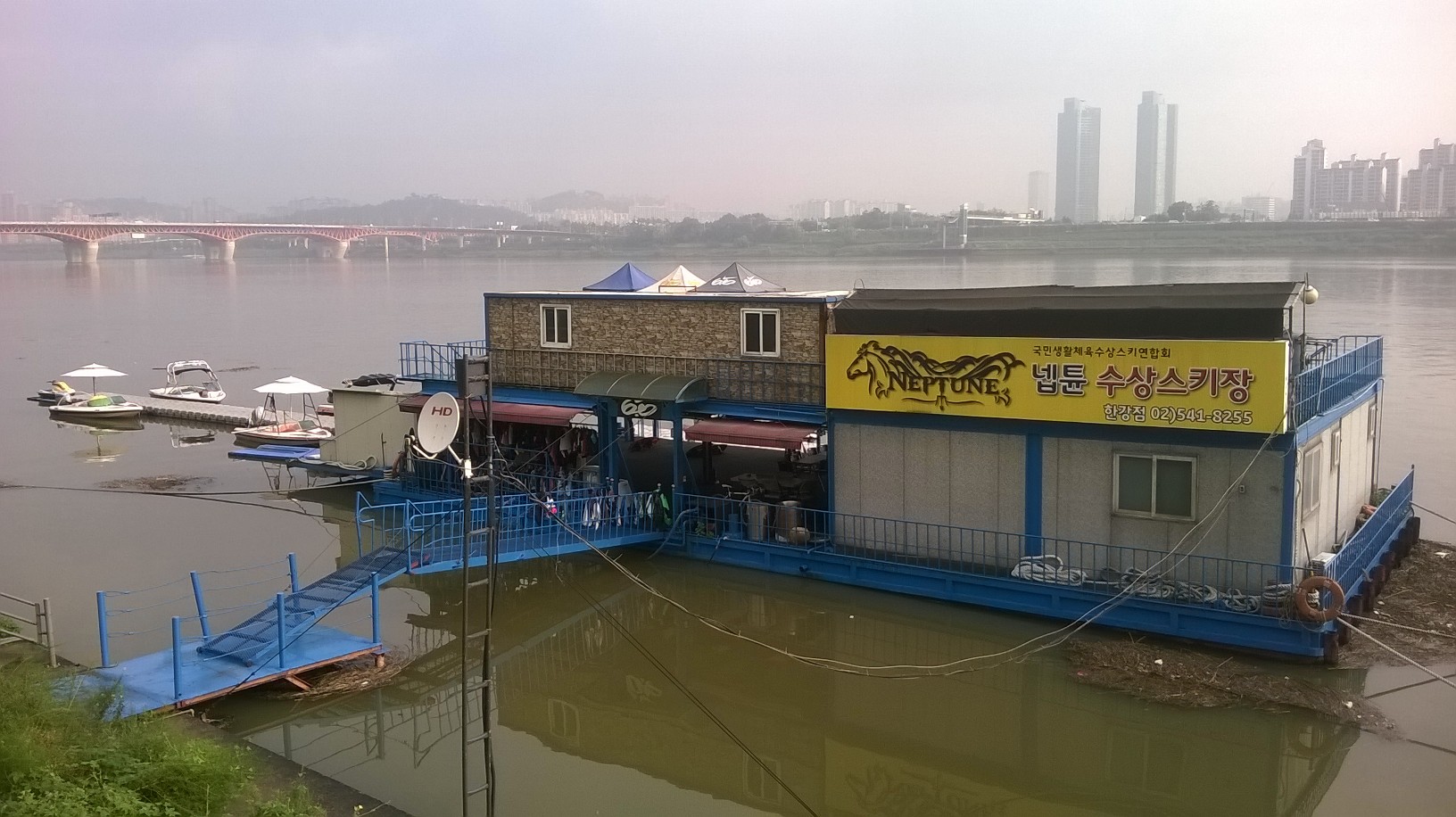
For those that travel here for business, you can go down to the river for some early morning wakeboarding. It was nice water this morning…almost like glass in some places.
Wrapping it up, we walked down to the Hyundai Mall (yes, they own the shopping malls too). Had to watch the kids with bike stunts to wet our appetite for some Korean fare. What a great city and great people. Hope to come again. The Park Hyatt was an excellent hotel in a great location.
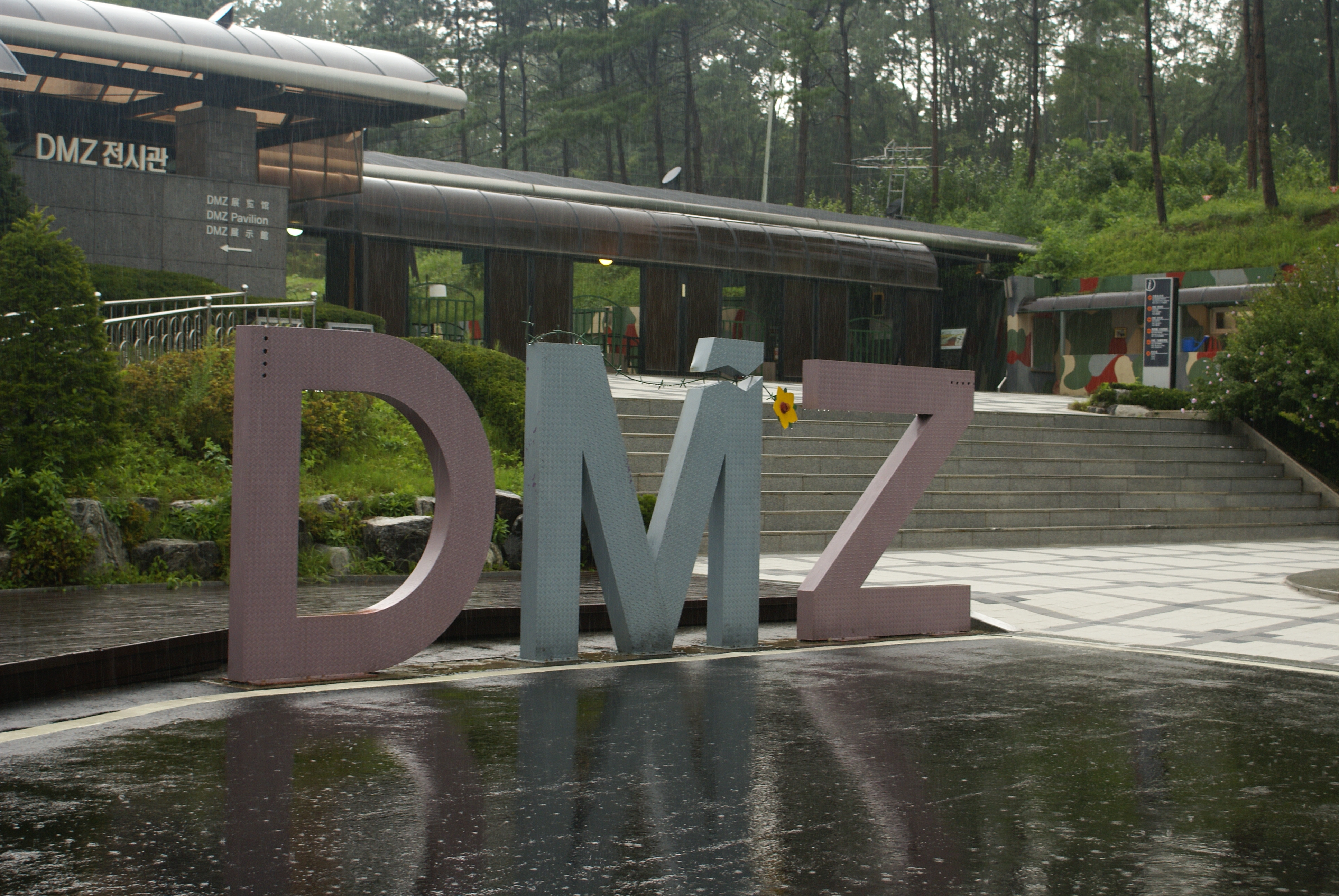
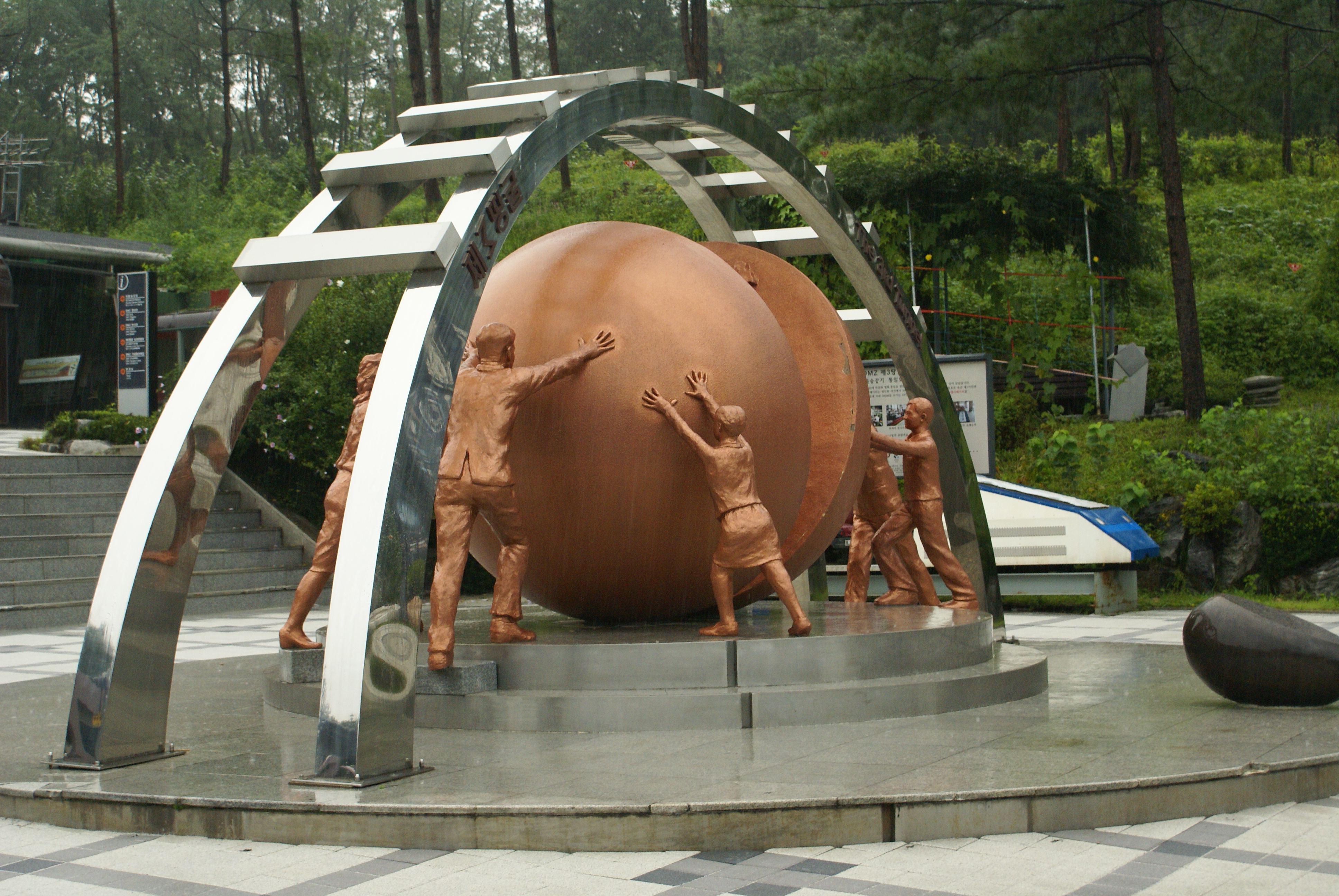
Unlike Vietnam, South Korea and North Korea are not united and that fact is still very overt and disappointing when talking to local people. The (SOUTH) Korean is clearly very strong and it was obvious when visiting Seoul. There was always enormous activity, action and energy everywhere you went. The traffic was brutal though, 20% of the entire country lives in Seoul (10 million people). We only had two days left in my vacation balance, so we prioritized our time to head north and visit the DMZ.
It was amazing (and scary) that the border and cease fire line (the 38th parallel) is only about 1 hour north of the capital.
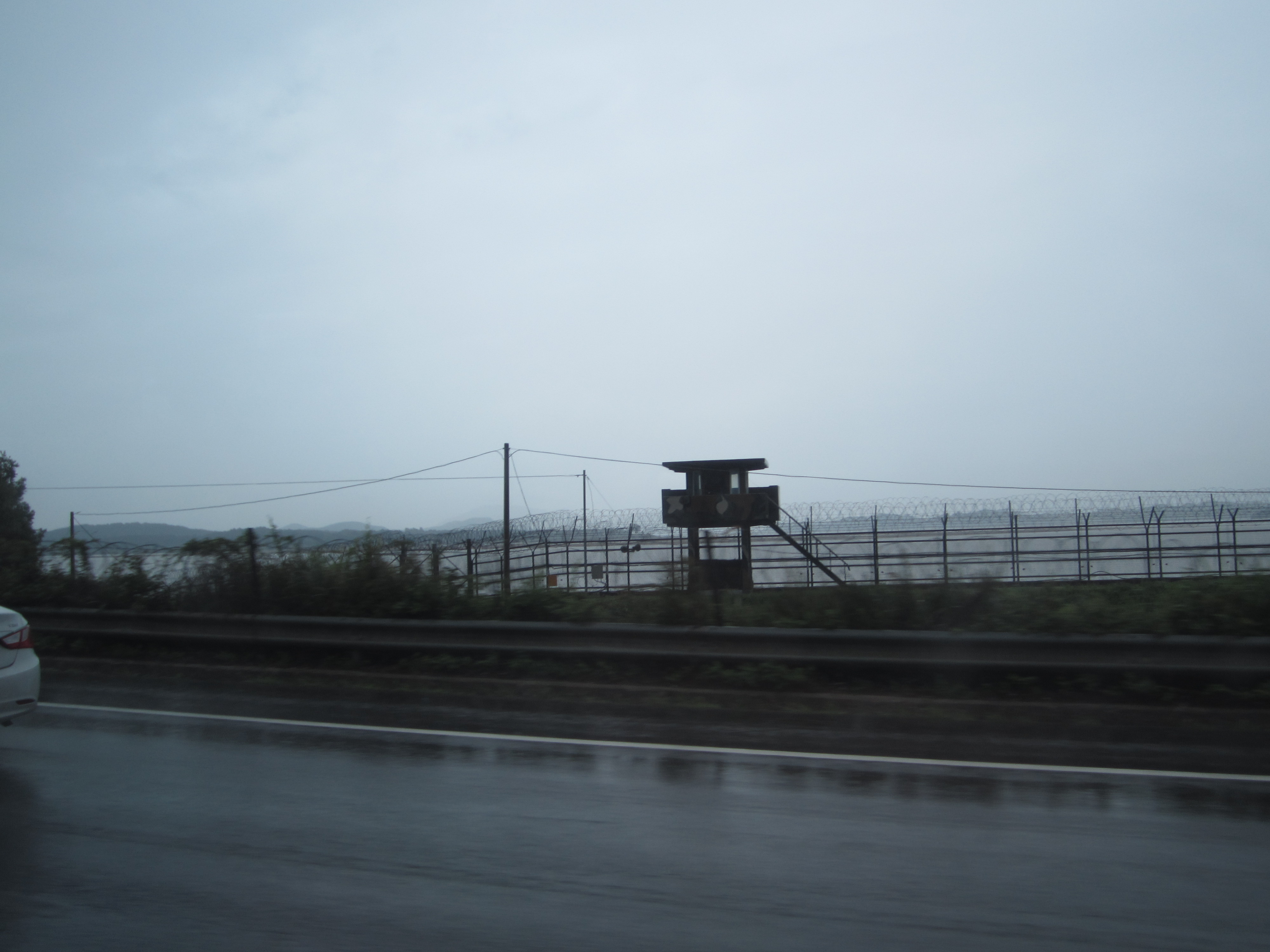
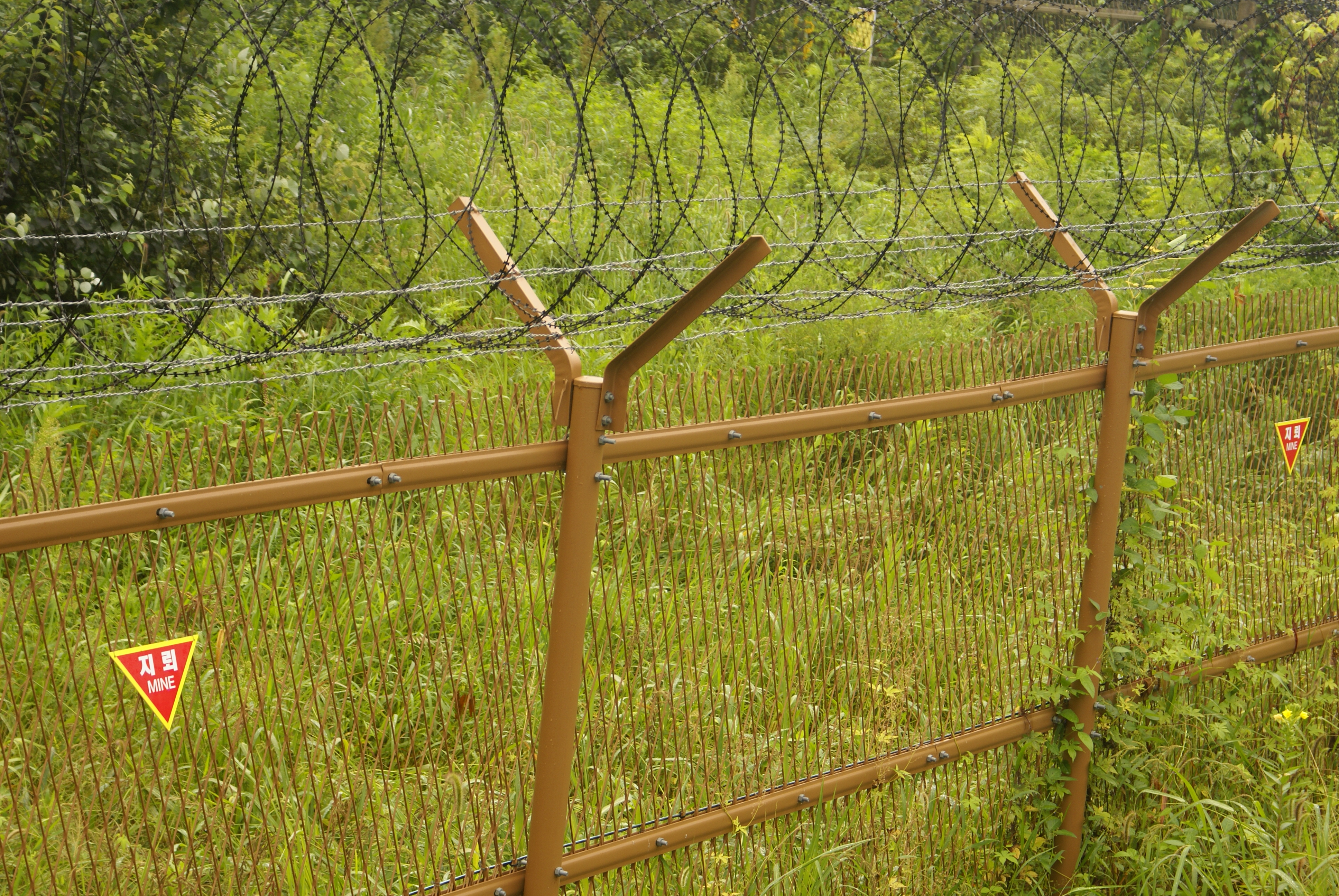
Almost the entire time you ride/drive along the river, there is double layers of razor wire and armed guards in observation posts every 50-100 meters.
We first checked out the “third tunnel” which was found in 1978 as a potential invasion tunnel built by the north. Unfortunately, we could not take pictures, (http://en.wikipedia.org/wiki/Third_Tunnel_of_Aggression) but we hiked down 75 meters to crouch the 250 meters to reach the very edge of the border between North and South Korea. What an amazing experience and quite a workout!
It is amazing that everywhere you go in this area, is marked and truly covered with active landmines to deter any potential invasions from the north.
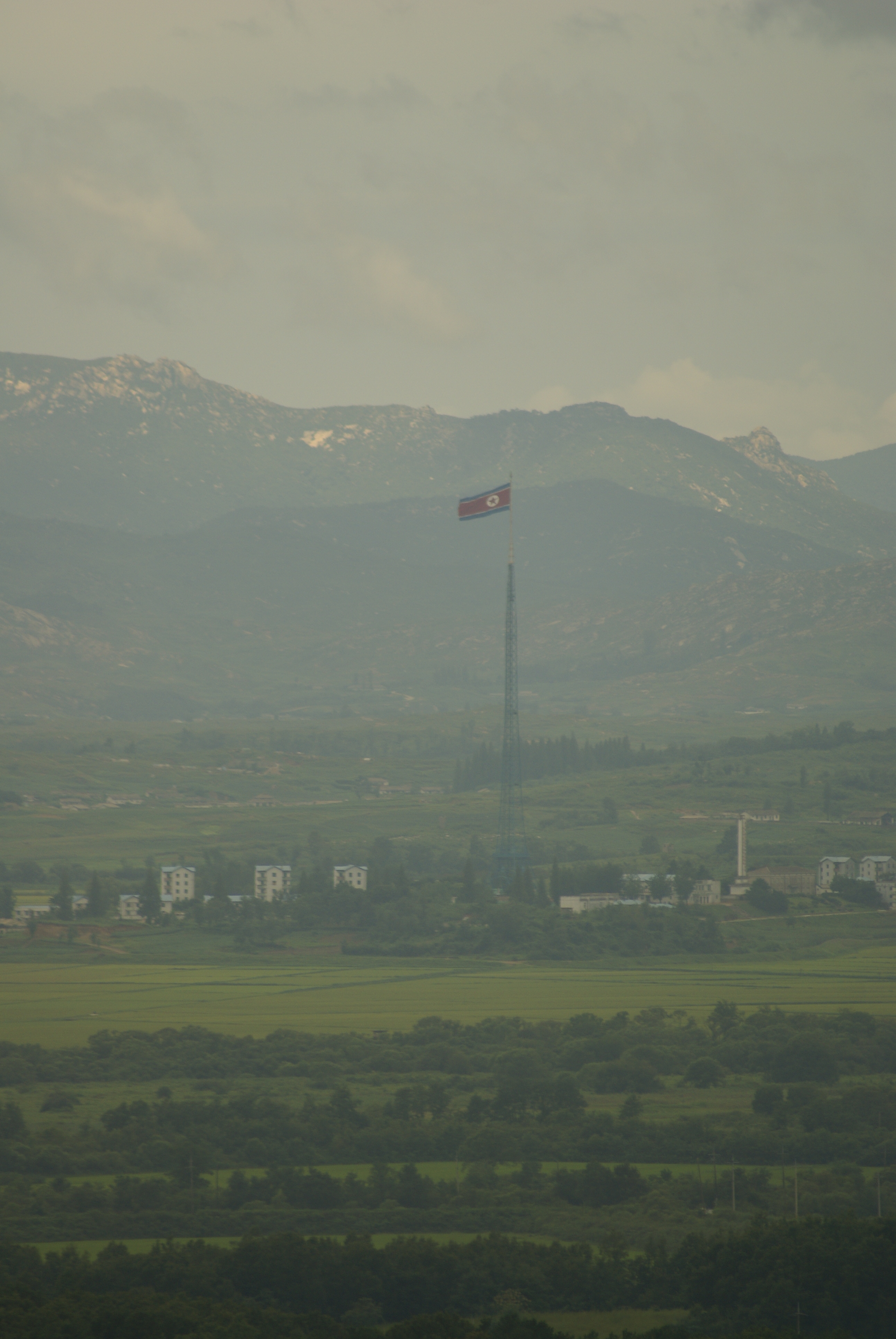
Next, we went to the observation post to view the scenic panorama between the two countries. You can see the flag of the North.
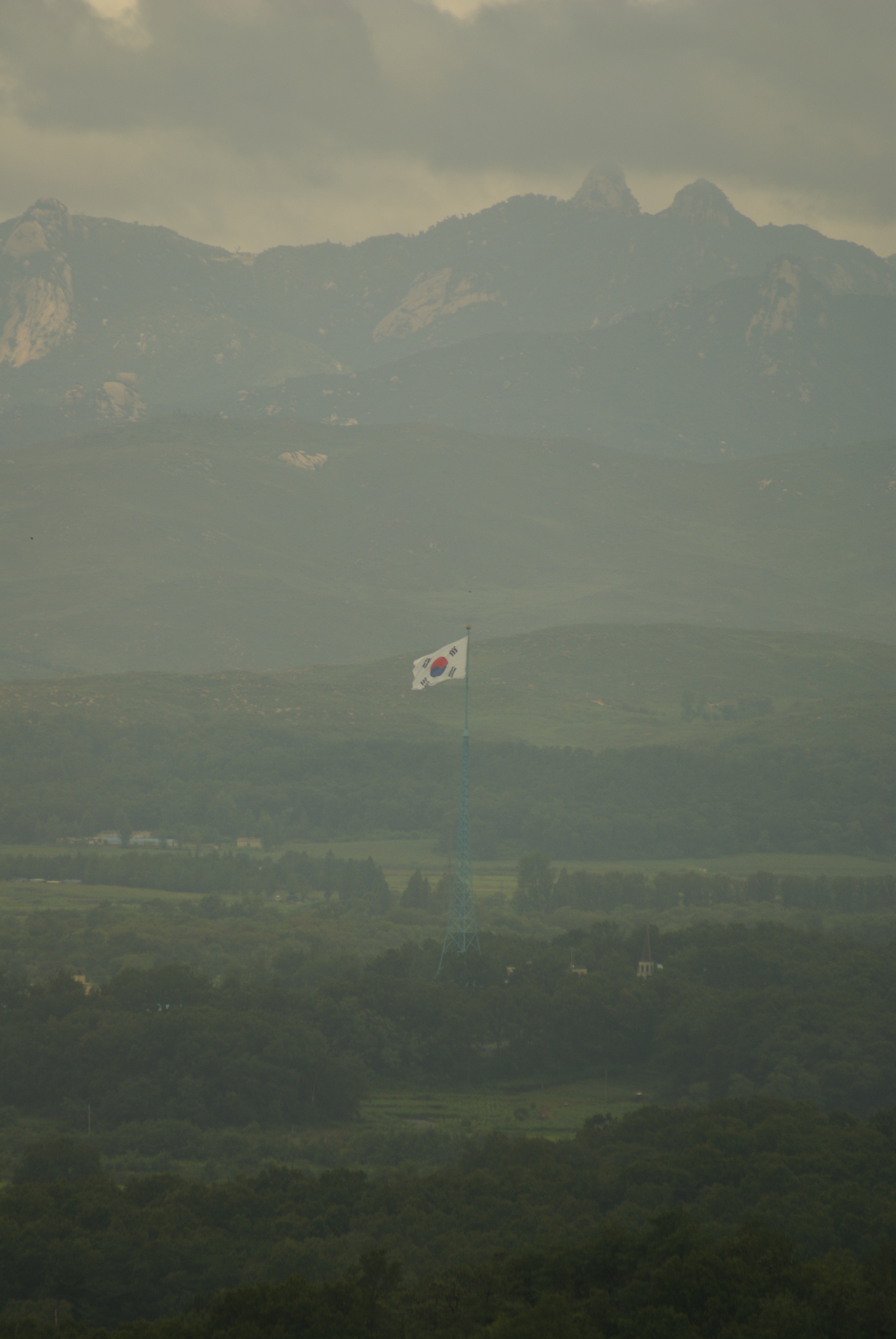
And then shorter flag pole of the South.
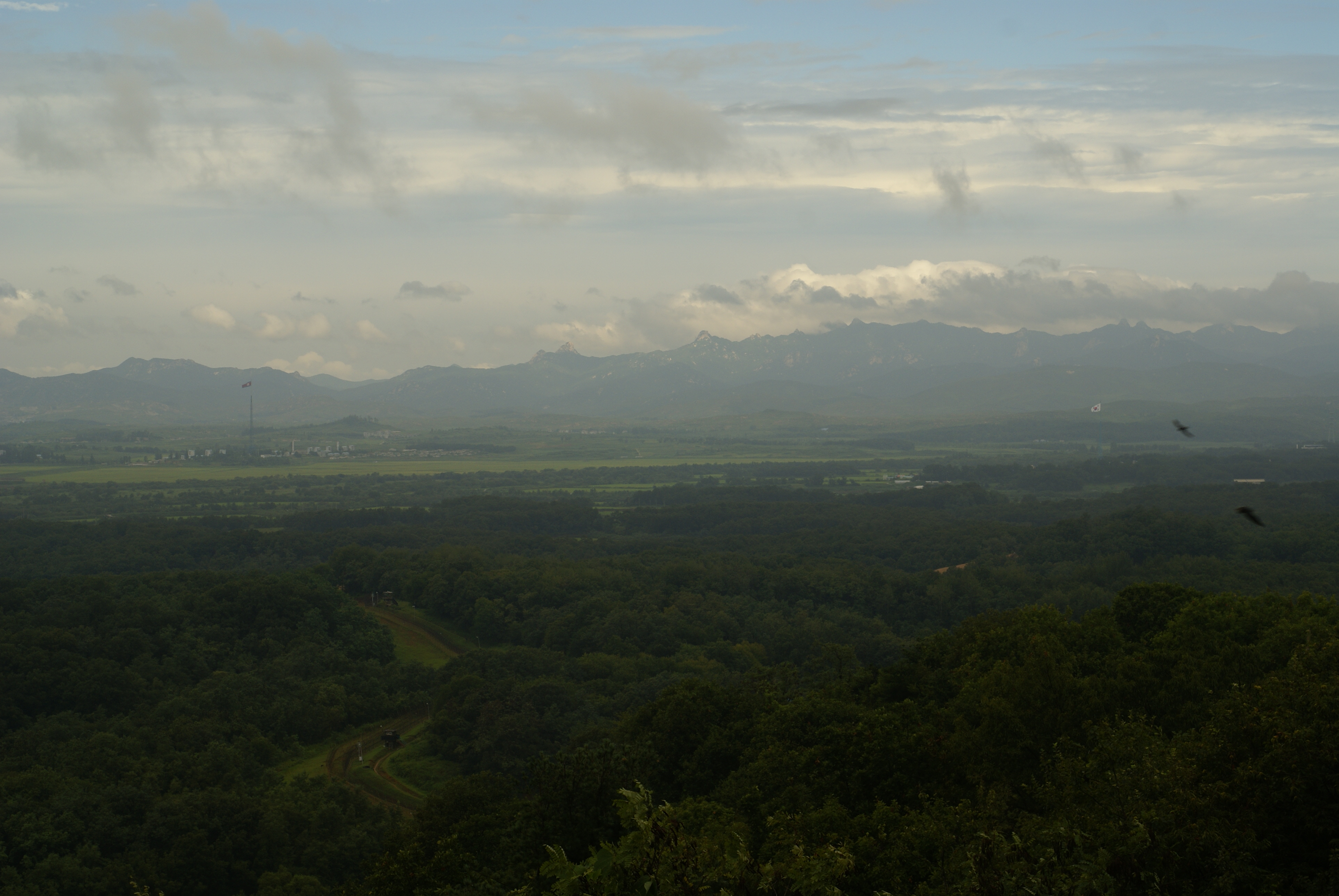
And if you look carefully, and ignore all the sparrows, you can see both flags on the left and ride. These are close to the location where the sides infrequently meet with diplomatic purposes (known as JSA).
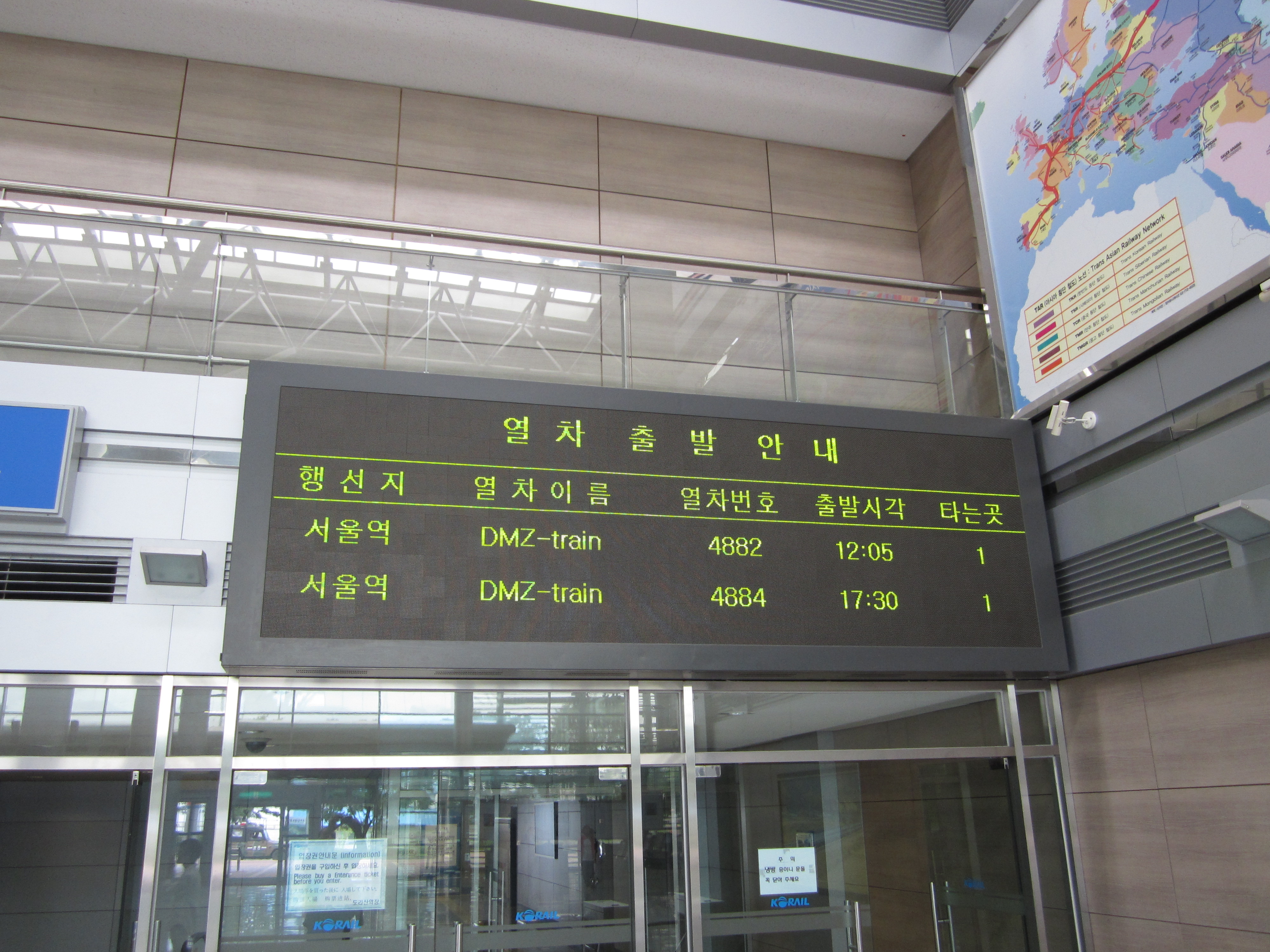
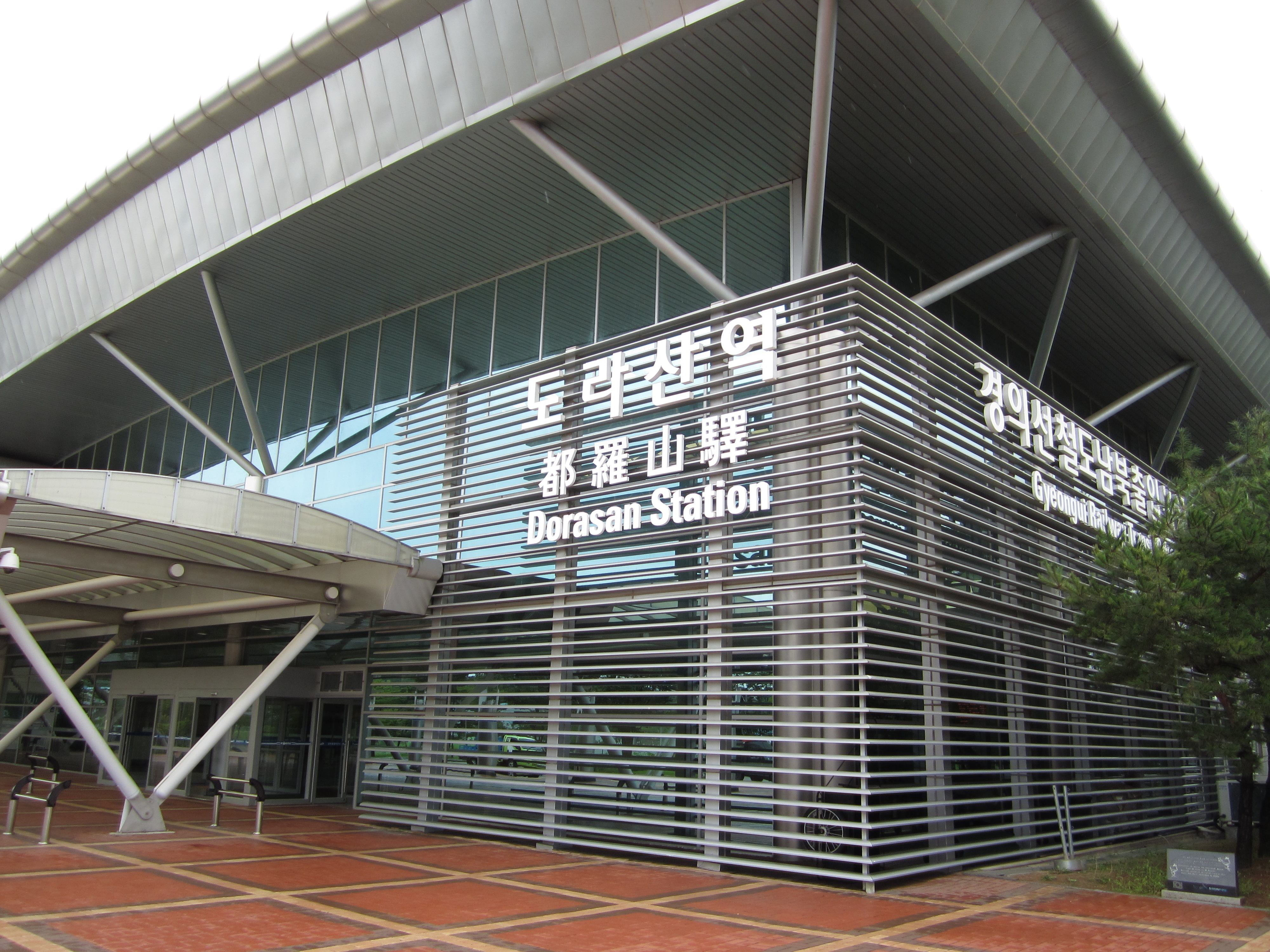
Next, we stopped at official train station that is used to occasionally allow people and goods to go back and forth between the two countries.
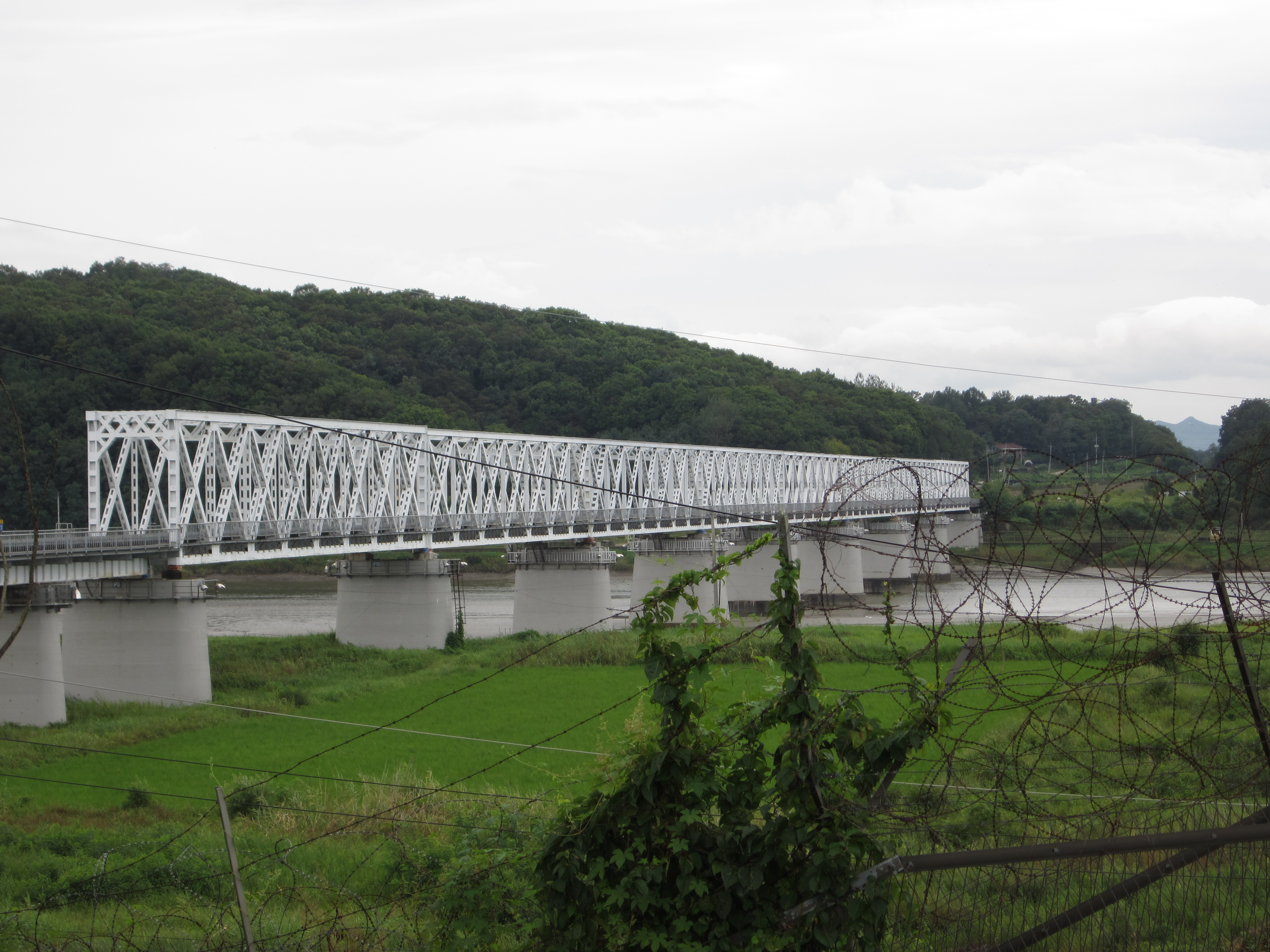
This is built near/using the “Freedom Bridge”
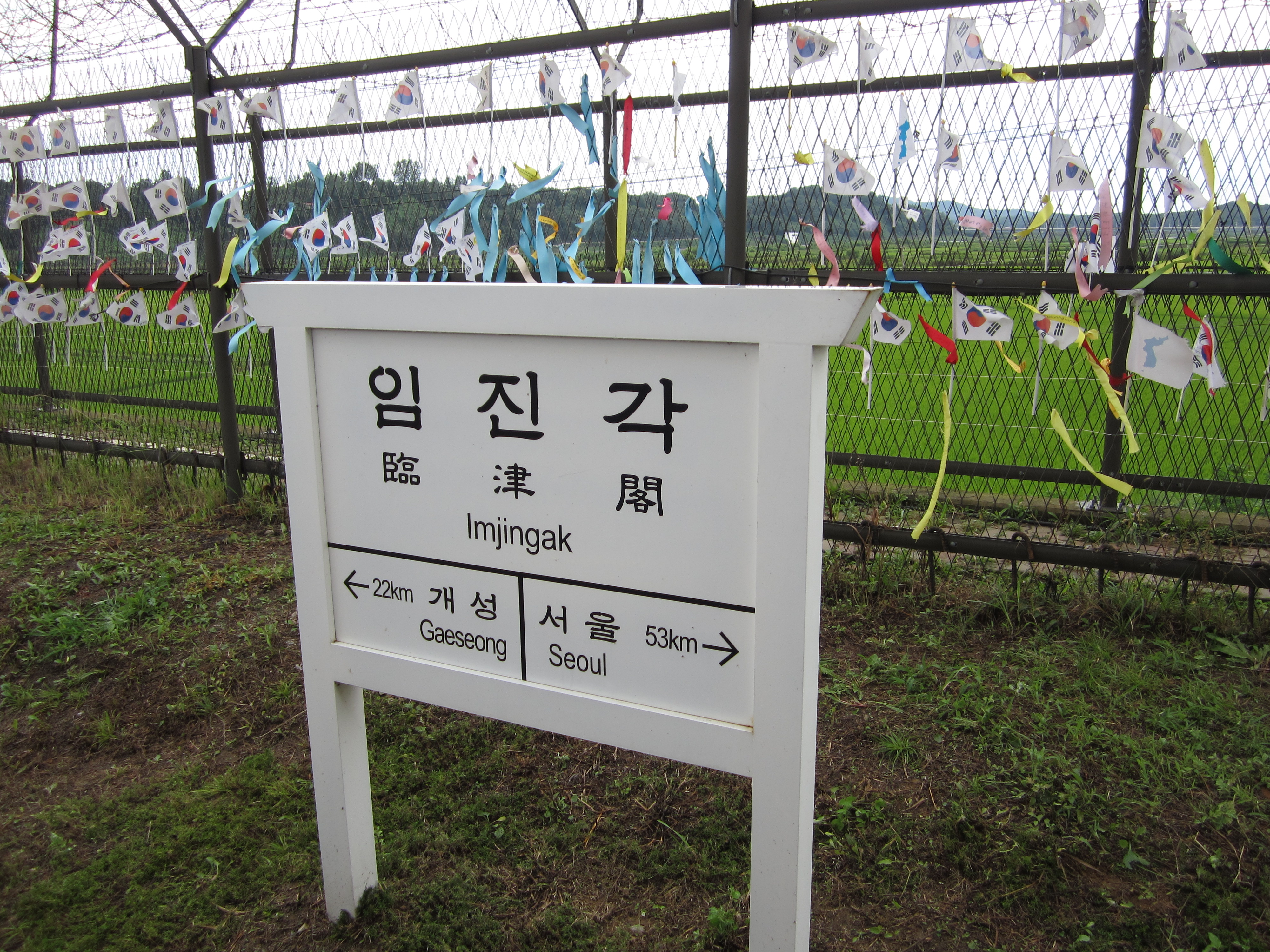
This is where prisoners of war returned and walked home from the north when the cease fire was approved by the two sides.
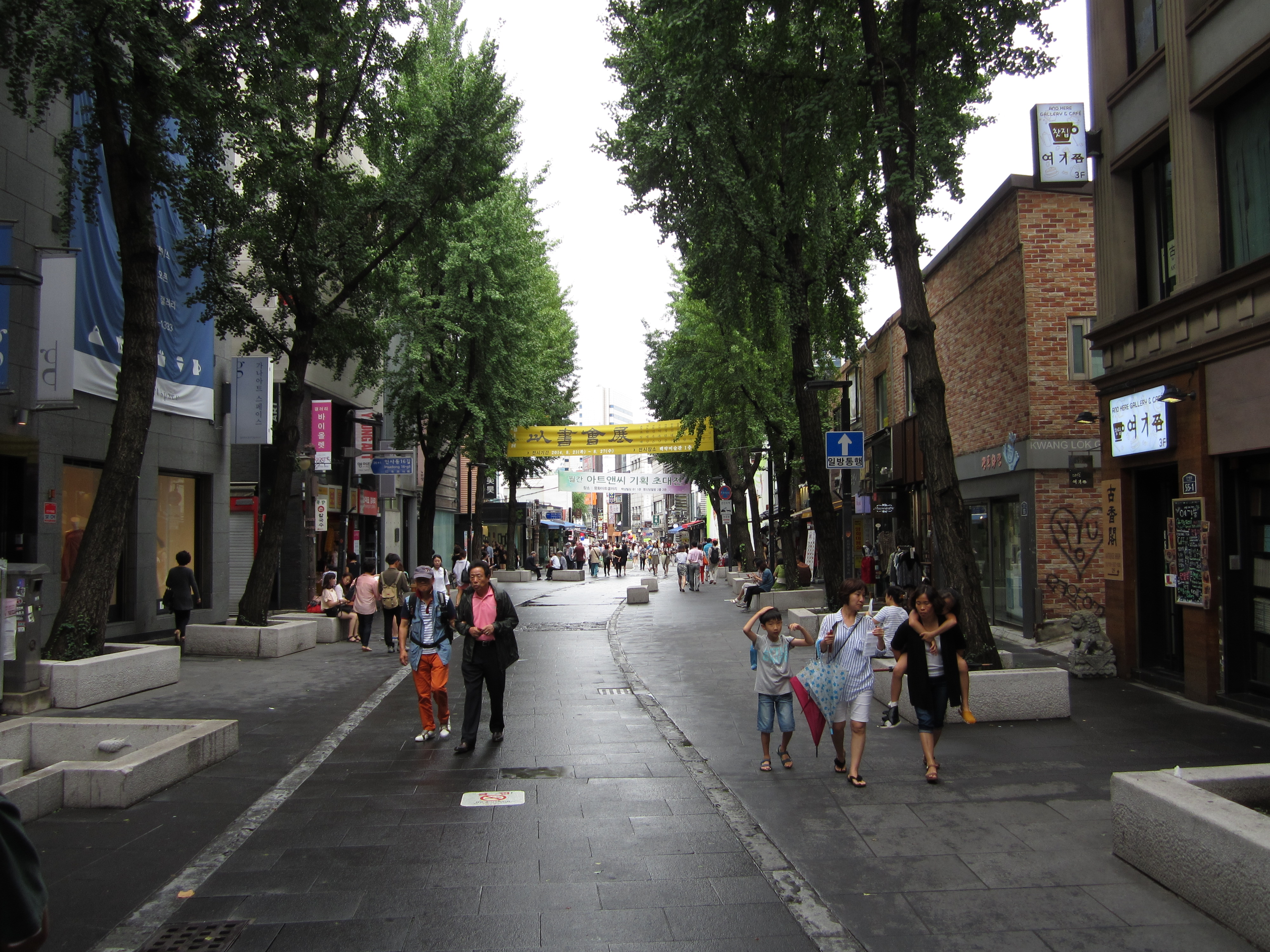
The day was a little rainy, but it made us feel like home. We stopped in for lunch in Insadong and checked out the art district of Seoul.
It was a pleasant and fun way to send a day in Seoul.
I must admit, the private tour of Cu Chi, which was one of the largest and most complex VietCong strongholds near Saigon was the best explanation and understanding of the battles between the US military (and the ARVN) against the guerilla militants.
It was amazing to see how close and how large the tunnel complexes were…and all the challenges that the forces faced in attacking each other.
The historical site is officially run by the government.
You have to watch their propaganda firm first.
And they had detailed mockups of all the booby-traps, IEDs and other (killing) methods they used in the jungles.
You could see remaining 500lb bomb craters from the US bombing of the area. There were a lot of them. Apparently over the past 40 years the jungle has grown back, but this whole area was devoid of any vegetation from the napalm and Agent Orange.
They also had many examples of all the activities they performed in the tunnels
Yes, you can go into the tunnels. You can go up to 100 meters.
Yes, it is dark, and boiling hot (40 degrees).
And if you are claustrophobic, it would be brutal.
I was lucky to survive…and these tunnels were widened so westerners could crawl through them. It was quite an experience. I know understand what the tunnel rats had to face.
My guide’s father was in the ARVN during the war and he was required to spend 3 years in a “re-education camp” before he was allowed to return home (after the fall of the government in 1975).
Today, we got off the river and headed to Saigon. I can say that there is a night and day difference between the north (Hanoi) and the south (Saigon). Saigon has far less pollution, crumbling infrastructure, and is clearly much more modern and easy going than cities in the north. I hate to say it, but Saigon was a delight to enter this morning. Lots to say in this post as there is so many things to do…
We first visited the former Presidential Palace…lots of history here.
It is now called the Independence Palace or Museum. This is where the (previous) government rules, lived and held meetings before it fell in 1975.
Here are the first tanks that the VietCong/Communists used to shut down and overturn the government.
By crashing through the gates (since they were not skilled and knew what to do when they were fighting in the city and not in the jungles)
This is the famous plane that was stolen (from the US) and dropped two bombs on the palace in 1974 that marked the end of the South Vietnam government.
We also stopped by and checked out the famous post office that is still in use today. Lots original artwork and décor from a long time ago…a large painting of Uncle Ho Chi Minh hung over everyone.
I have to say that you see A LOT of propaganda art, messages and statues in Saigon than you do in the north.
And, right before lunch, we took a few pictures of the oldest Chinese pagoda in Saigon. It was pretty impressive with its woodwork as the temple is supposedly over 200 years old.
A nice, (free) historical artifact worth visiting if in the area.
In the afternoon, we visited the War Remnants Museum in Saigon.
In some ways, it is a lot about propaganda…
But it truly told the story and the sad history of the Vietnam War.
It is mostly a photo museum of the history of the war and the soldier’s activities on both sides as captured by journalists.
There was some nice exhibits of all the weapons used in the war and some of the captured US aircraft.
As you can tell above, Agent Orange was the primary topic. Out of respect, I did not take nor will I show the pictures of the war. Many were too horrible or graphic to even describe. War is horrible and there is two sides to every story. The Vietnam War was something I hope we never see again.
In closing for today, here is a stern warning from our hotel: don’t you dare bring in any of the DURIAN fruit…it smells like French cheese and offends some people. $200 fine for local fruit in the room!
It was certainly interesting to check out the local markets here. They sell everything and this is the daily life for most people in the area. The fisherman and farmers catch the fish and harvest the fruits and vegetables and then they bring them to their 1-meter plots on the street to sell their goods.
Most families shop every morning for their daily menus. This one was in Sa Dec.
We also saw a floating market…a real one.
What the family is selling is hung above the boat using a single bamboo pole.
We were tempted to stop and try out the local fast food place in Vietnam…it is called Banh Mi which the Vietnamese word fro bread.. You can get a sandwich in 30 seconds for the equivalent of 30 cents. But our tummies would probably have not liked us…
Now, one interesting/strange/different place we checked out was the temple in Sa Dec that was very similar to the Bihai faith where all gods are treated equally and worshiped together.
I think the official name is the Cao Dai temple.
Apparently, this is the third most popular or common religious practice in Vietnam. It was very different…I will leave it at that.
In this fishing (city/town), 20% of the population is Catholic.
We stopped by the church as a children’s mass was just finishing. All the kids were dressed in bright white dresses and boys with red bow ties.
Last, we did a quick visit to the famous house of the French writer Marguerite Duras. Great place to have a cup of (real) Lotus tea. A popular bed and breakfast stop for only $45 a night.
And most importantly, they officially have the G55 Mercedes AMG in Vietnam! 🙂
If you liked this post, why not check out this trip blog from the start when it began with my Hanoi posting?
As we headed down south along the Mekong River, we stopped a few places to see how people live and work in the river communities in Vietnam.
We first stopped at Tan Chau. They had to build up the banks because the Mekong is washing away many towns in Vietnam.
It certainly is challenging for many as the river floods ever year during the rainy season…and many homes become essentially fish traps until the dry season comes back around.
It was interesting to ride a rickshaw around the town and see everyone putting their rice out in front in the morning to dry out…
I am not sure about the cooked rice on the street though…
And we stopped at checked out a silk factory. It was fascinating to see these 100 year old machines (looms) running away to produce silk fabric in bulk sheets.
We also stopped and saw how another family worked on weaving straw mats. It was mind numbing to see how tedious this work was and how many in the community desired this work to just have some income.
We also visited an “island” community in the middle of the Mekong Delta. This is one example of a traditional “home”.
Many in the community raised, chickens, ducks, cows and even snails and eels. No thanks on the latter.
The people are definitely very poor and the average worker only makes $150 a month. We brought one family a soccer ball for our gratitude for enabling us to visit them. We were told than less than 40% of the children in these villages will ever graduate high school. Many families just do not see the value of education.
Phnom Pehn is not a bad city. For a few dollars, you can grab a Tuk Tuk and get to most places. Of course, along the river is a great place to run in the morning.
You need to get out around 5:00 AM to avoid the heat. Since by 8:00 in the morning, it will be 90 degrees out.
And it gets pretty crowded. Between 5 AM and 8 AM, thousands of people will line the boardwalk and dance, play badminton, a version of “hacky sack” and also the favorite Zumba collections.
Here they were dancing right in front of the presidential palace. (sorry for the bad pic while running)
For a better picture, we went and checked out the Presidential Palace.
It was definitely popular. Unfortunately, you cannot go in or even take any pictures of the inside.
It was kind of cool to know that the royalty was on the premised while we were visiting (you can tell by the blue flag that was flying).
Lots of interesting sites and people to observe in the capital city.
The grounds and buildings are definitely worth checking out if you visit Phnom Pehn. The huge stupas were pretty impressive with all their intricate carvings and detail.
We also made a quick stop at the National Museum. Unfortunately, they don’t really let you take pictures outside of the garden and entrance.
But if you want to see some of the best statues and remains from the various temples around Cambodia, the national museum in Phnom Pehn is the place to tour.