I wanted an adventure of a lifetime when visiting Hawaii, so what did I choose?
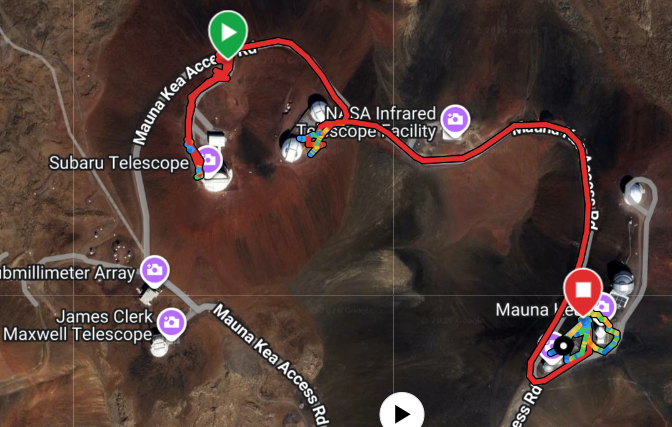
You guessed it, headed up to the top of the mountain to see the stars!
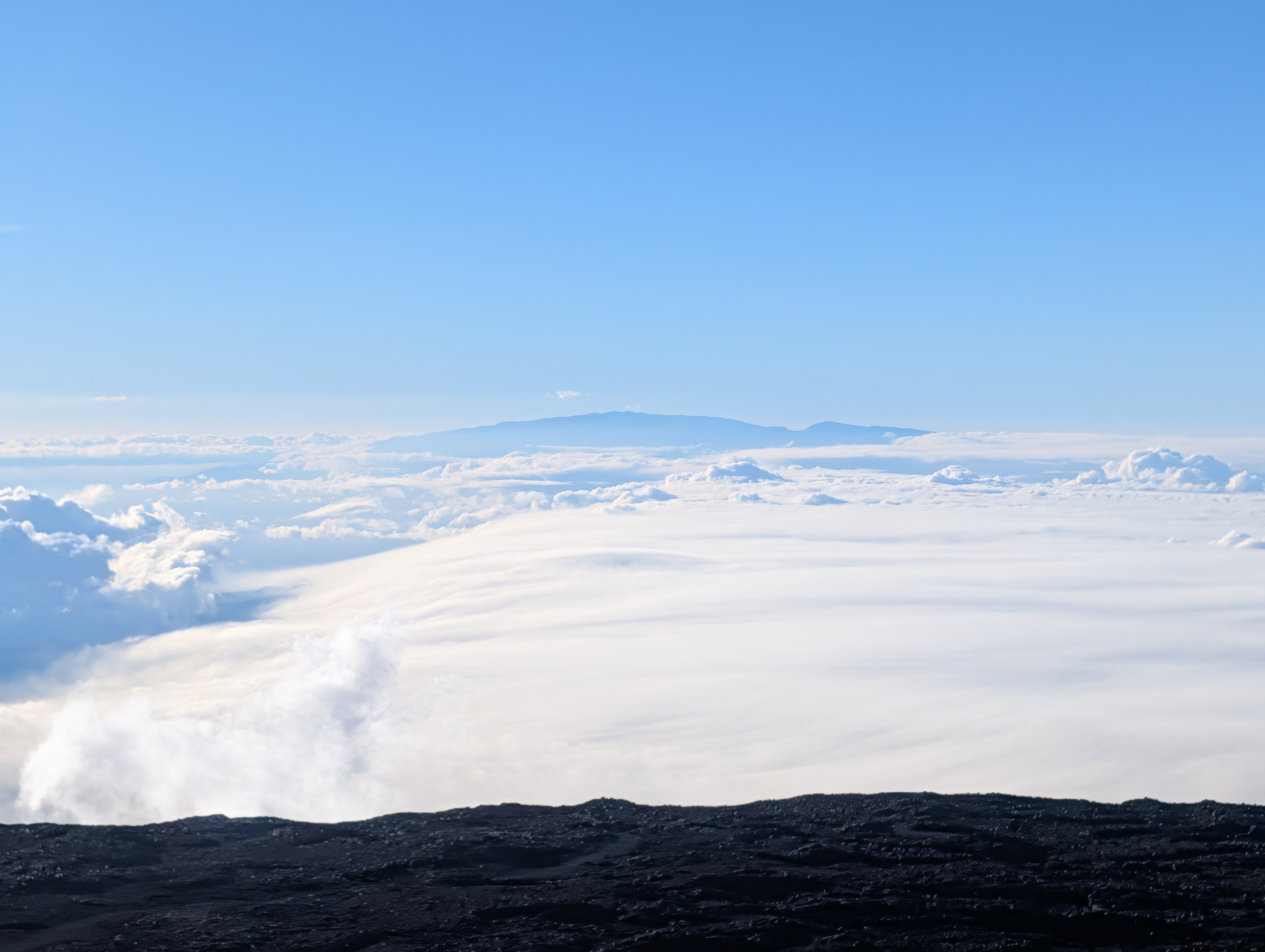
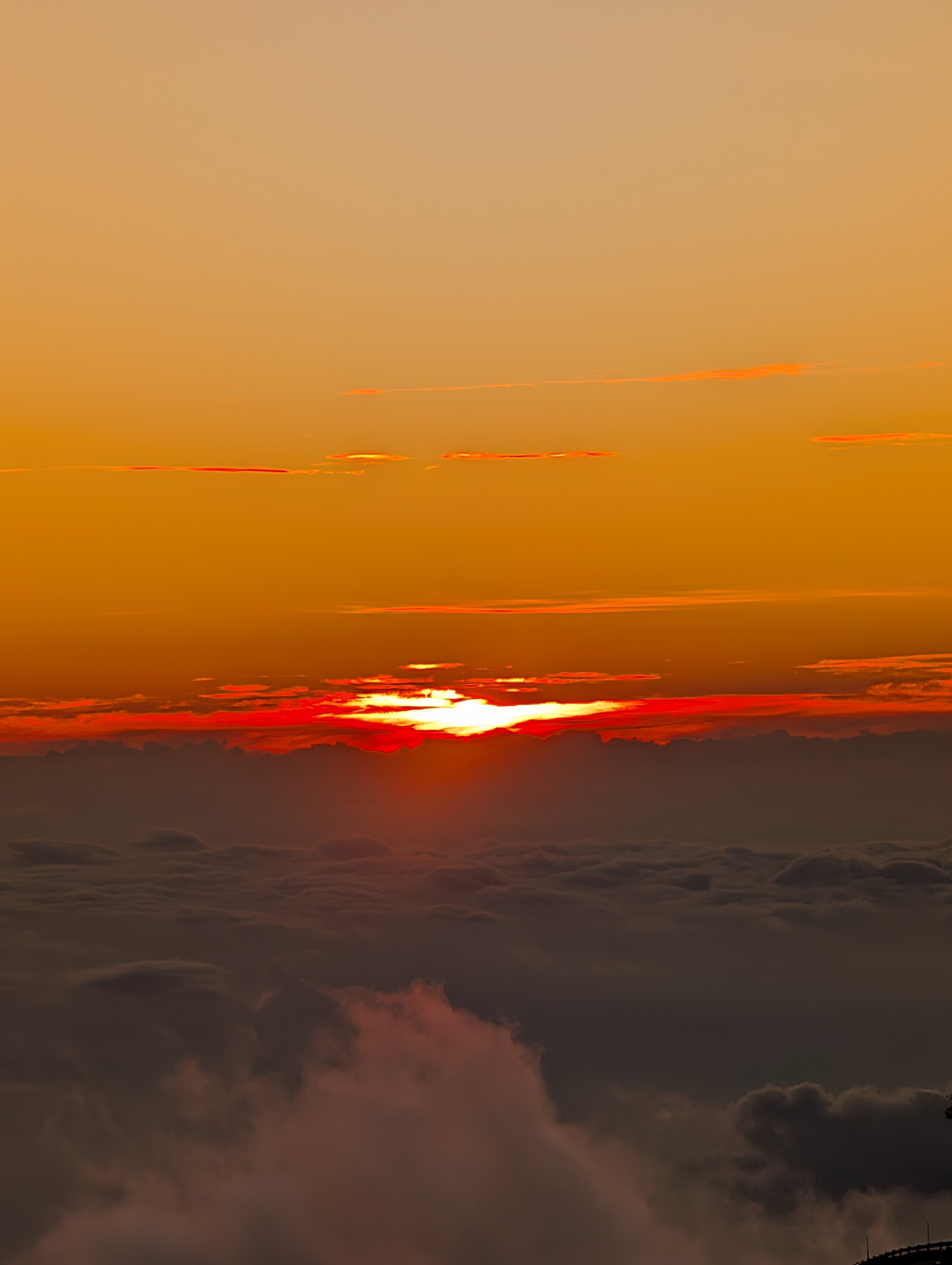
It is amazing on how much you can see when you are above the clouds at 14,000 feet — and yes, that is Maui in the distance!
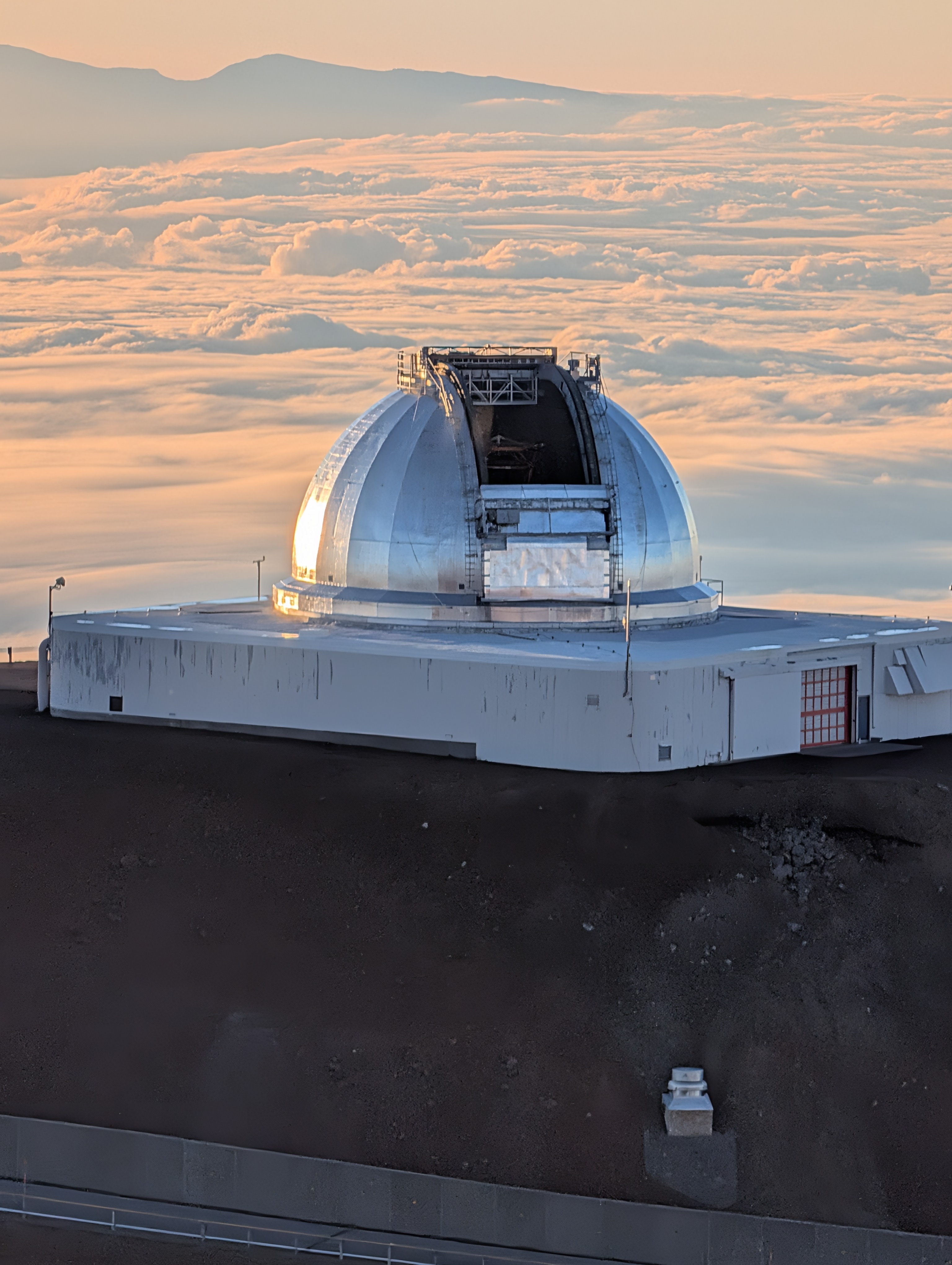
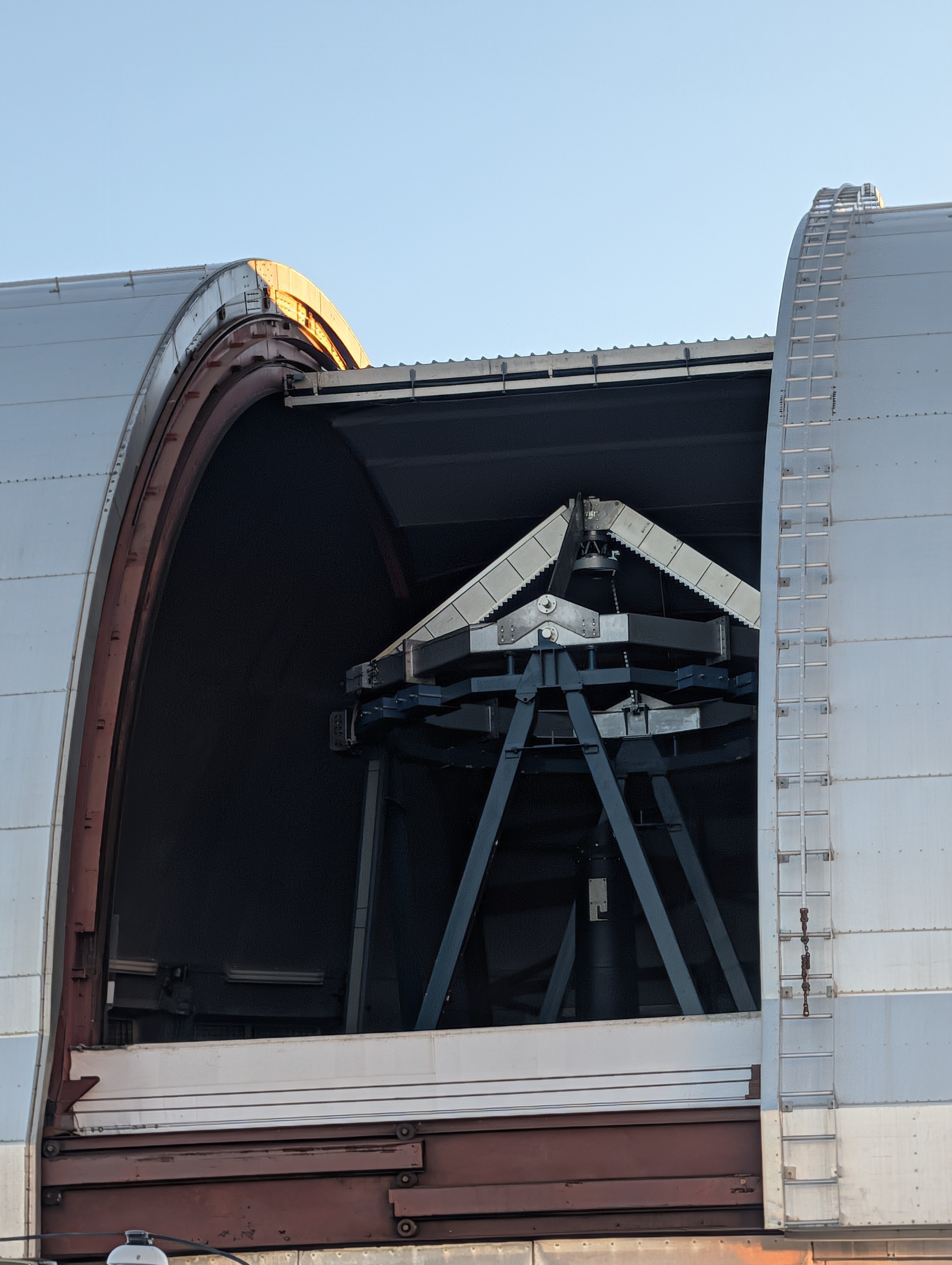
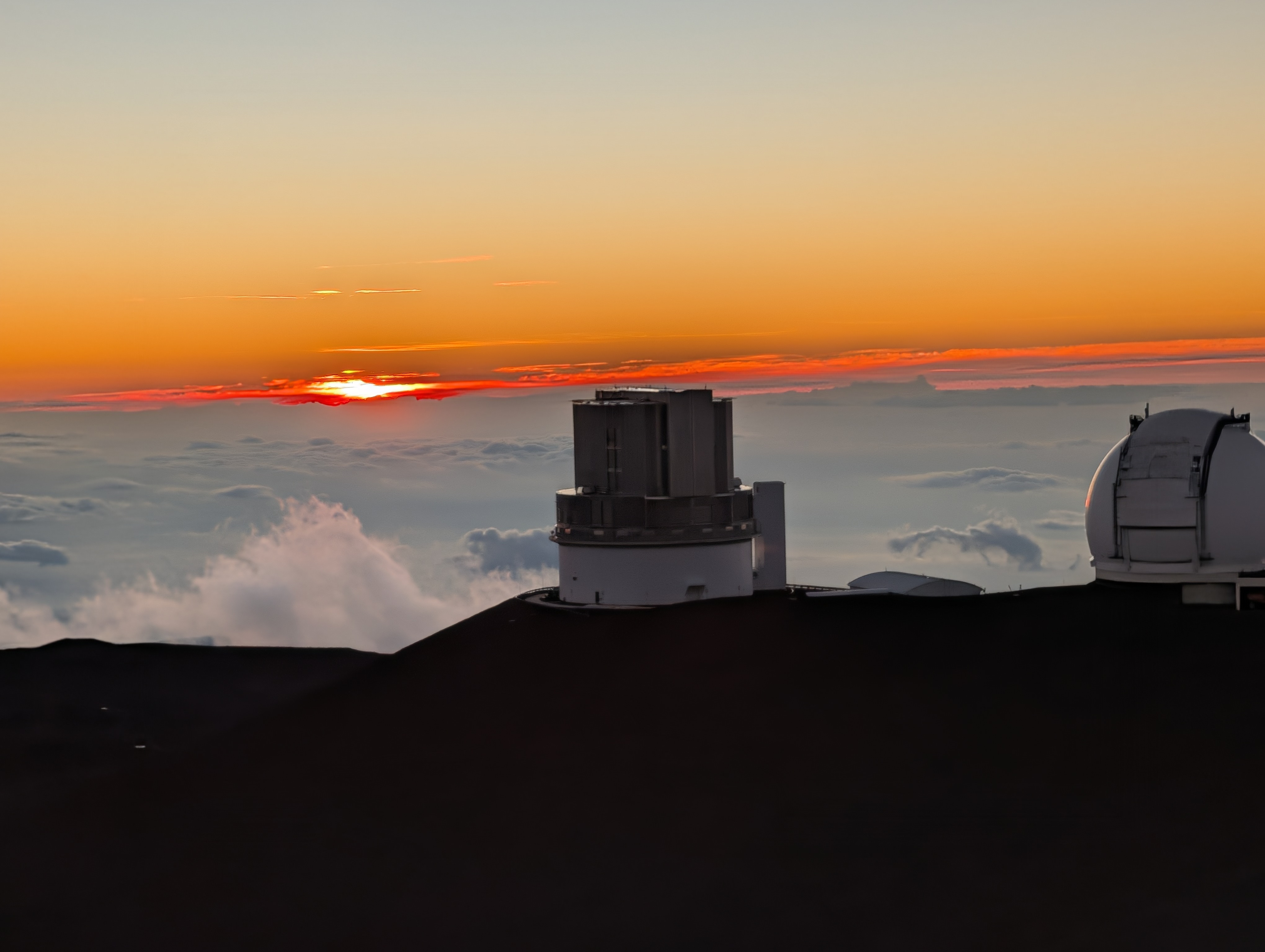
The telescopes slowly open once the sun starts to go down.
Unfortunately you cannot go inside them after 2;30 PM, you can only view from the outside.
But when the sun goes down, the temperature drops VERY quickly!
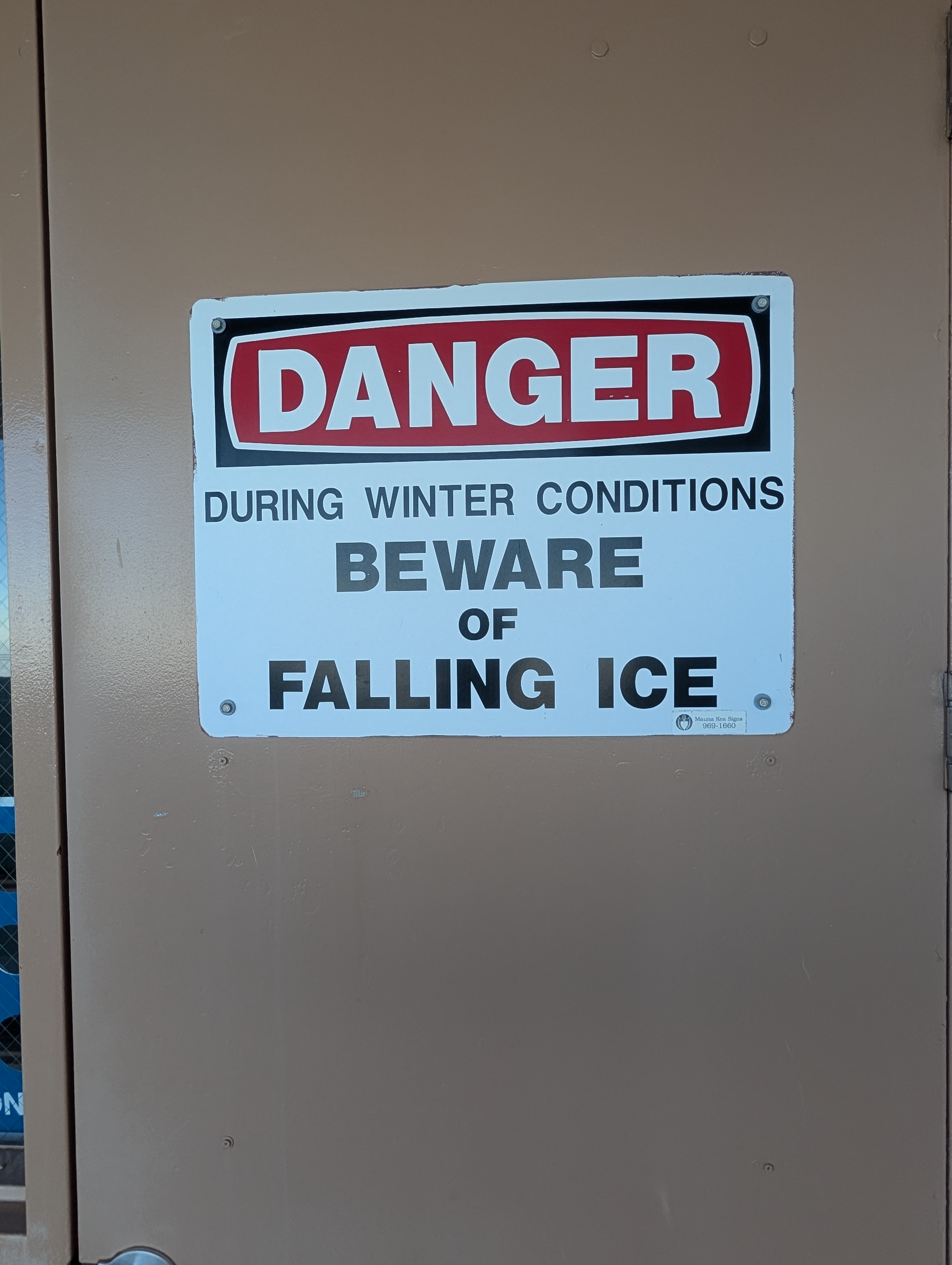
and yes, it gets so cold, there can be snow and ice (in Hawaii)
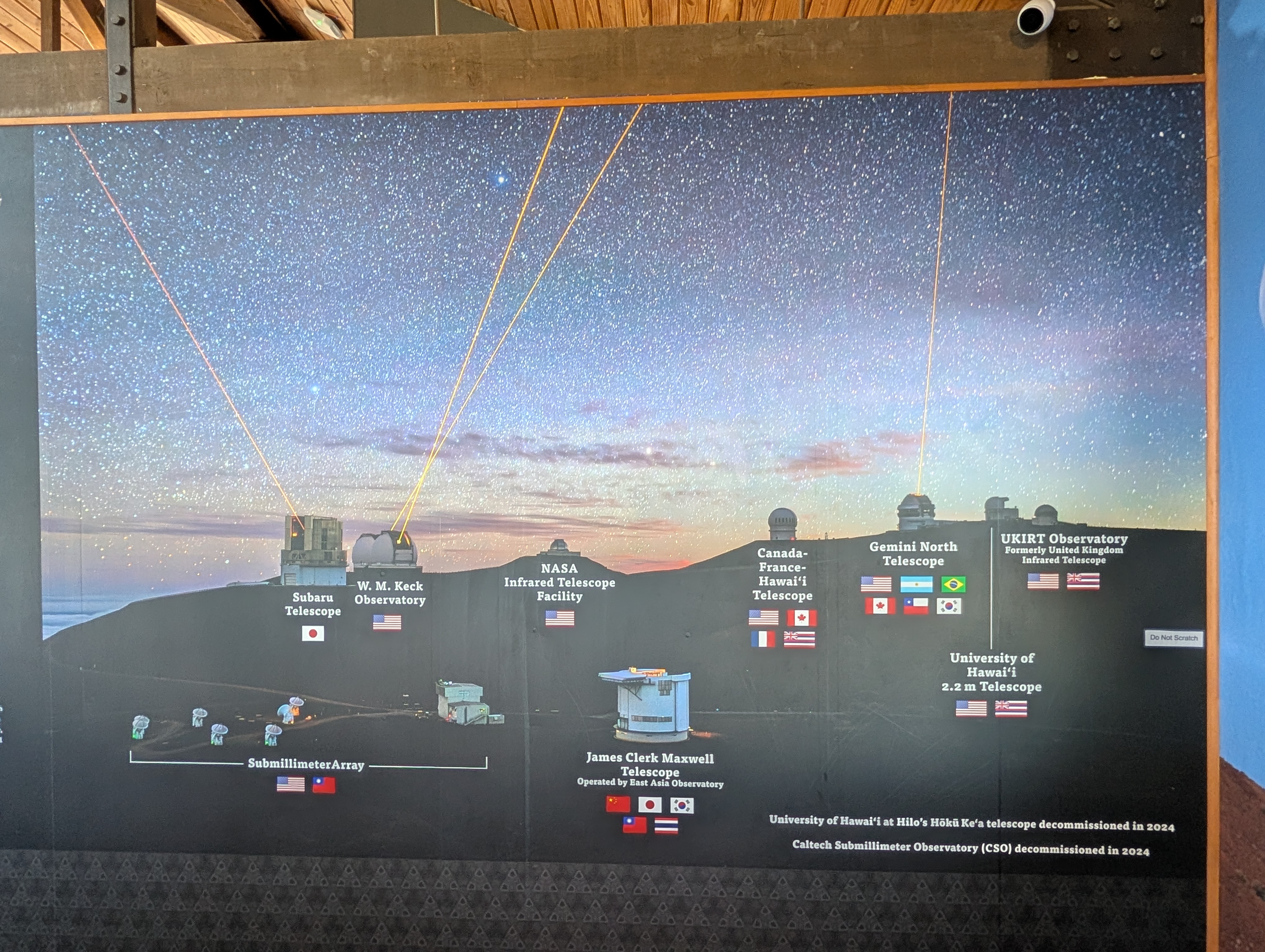
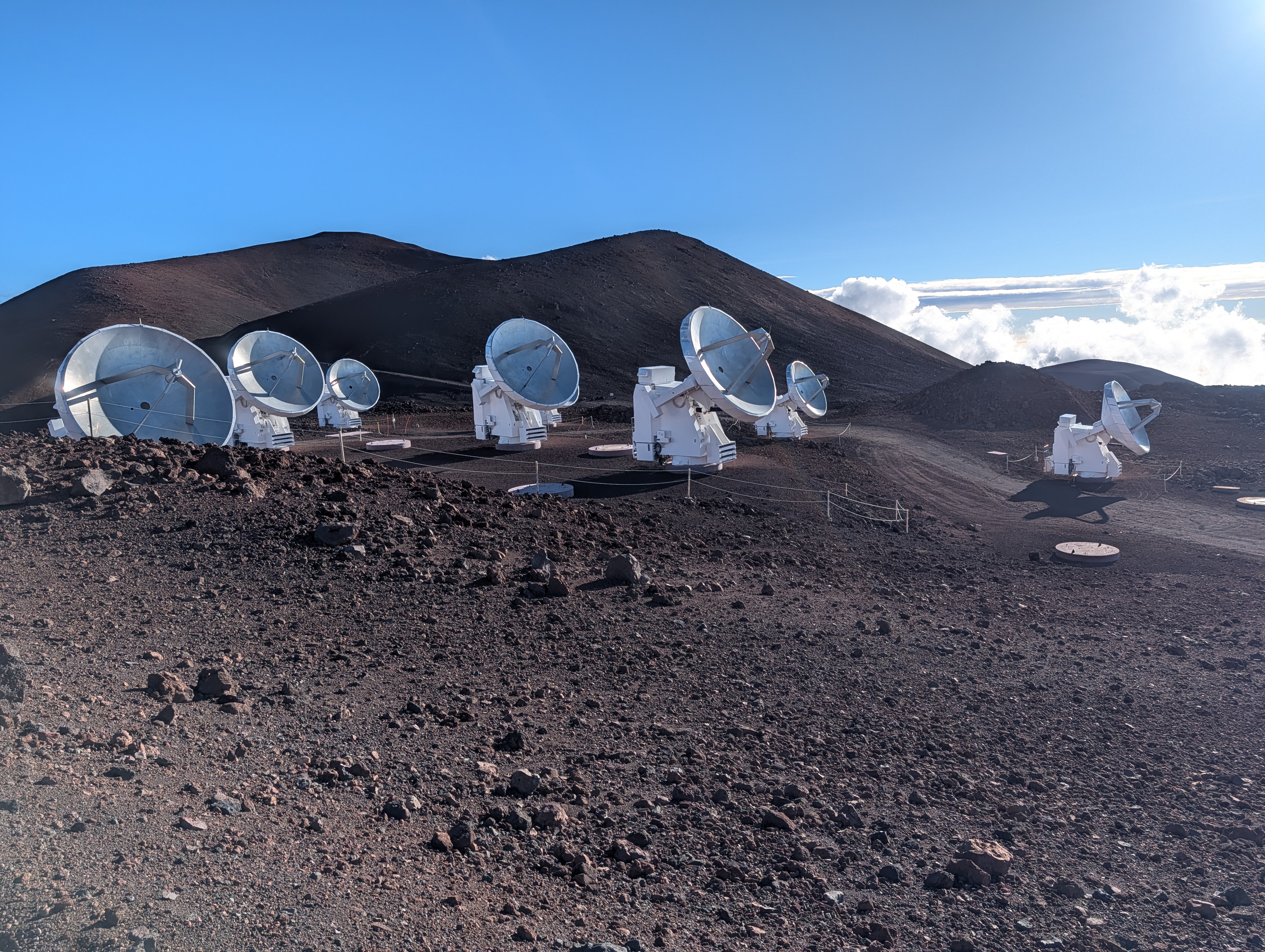
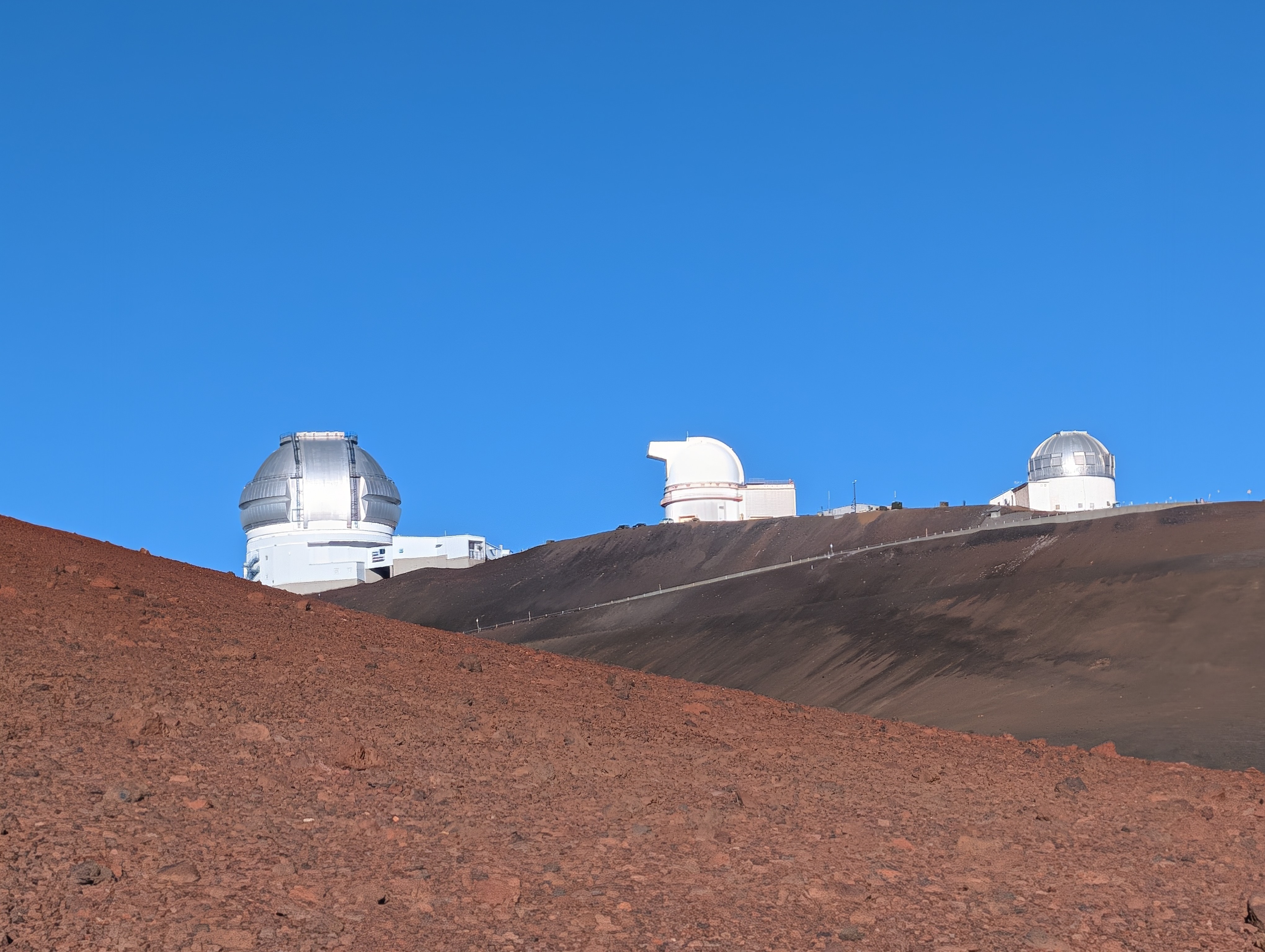
I think there are about 8 active telescopes and they look small from afar
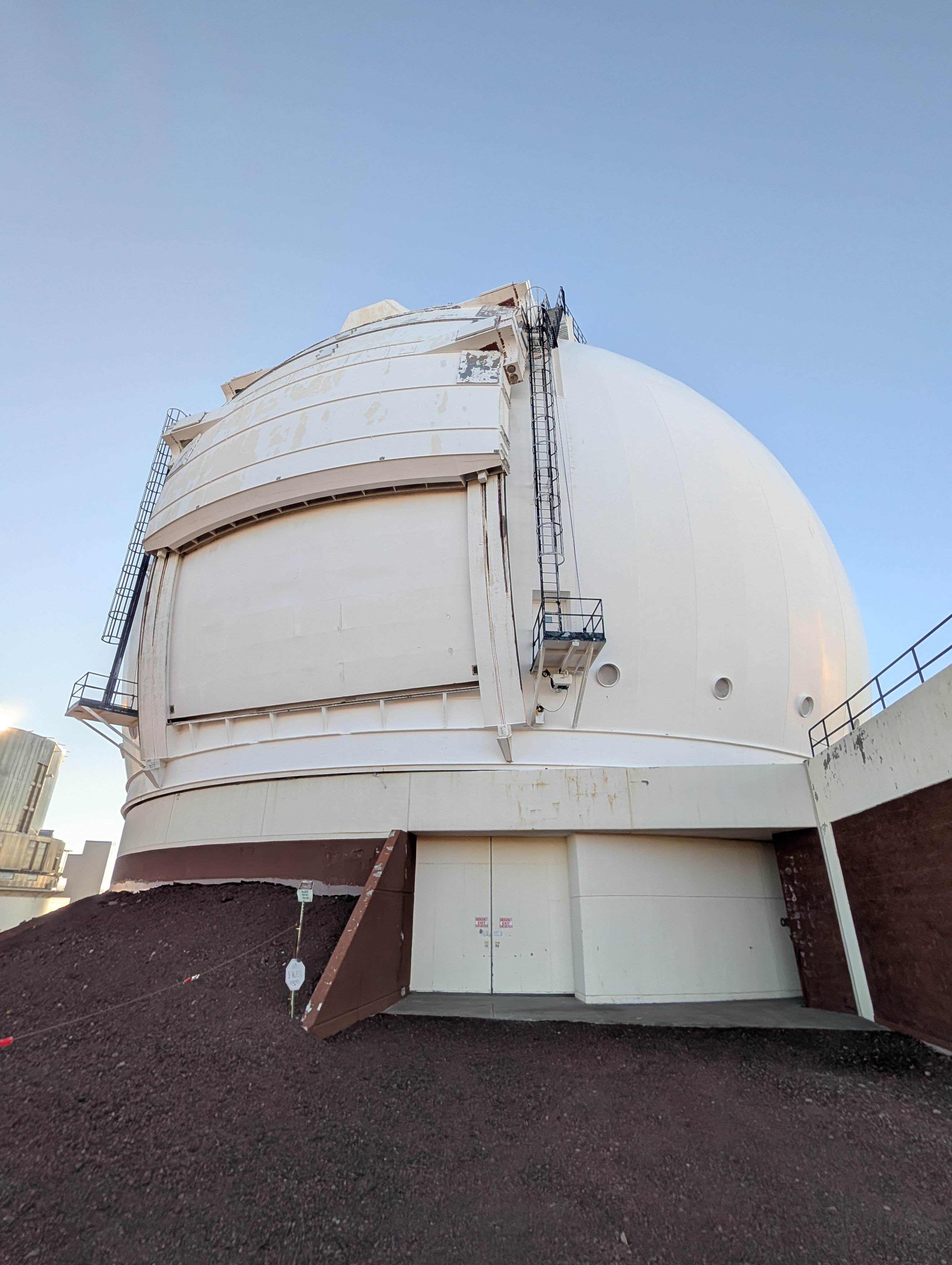
But are massive when you get up close
Yes, a lot of people do like to hike up and around the mountain, but I must admit every few minutes you need to catch your breath or you can get dizzy quickly,
What was the real highlight? Watching the sun go down and the world going dark in just a few minutes.
It is an experience that is one of the best you can ever experience in Hawaii IMHO 🙂
We realized that the big island of Hawaii is a BIG island, so we decided to take a day and explore the whole island. You have to start early as there will be a lot of driving!
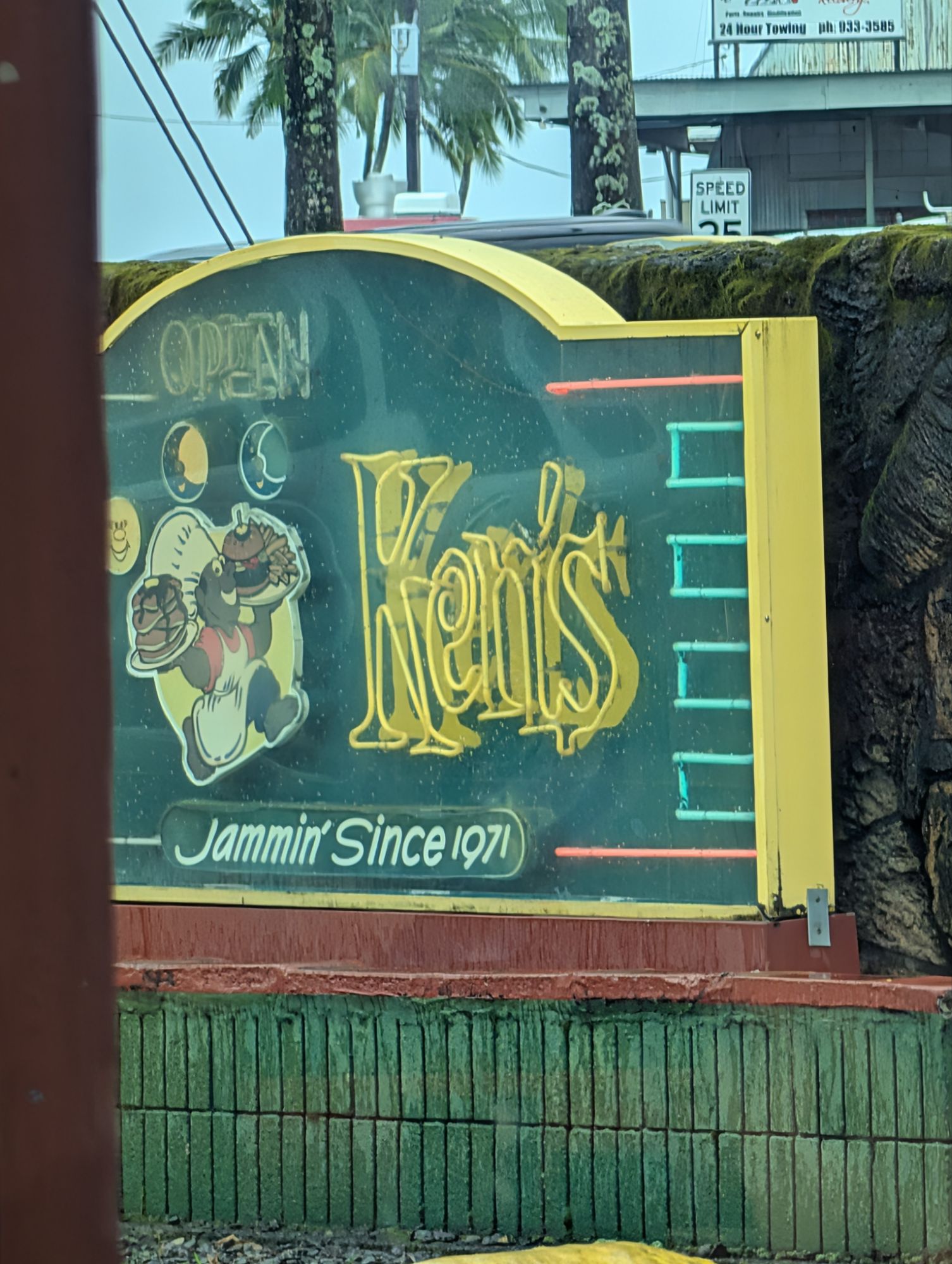
so it is best to load up with a Sumo order of Loco Moco at Kens Pancake House in Hilo.
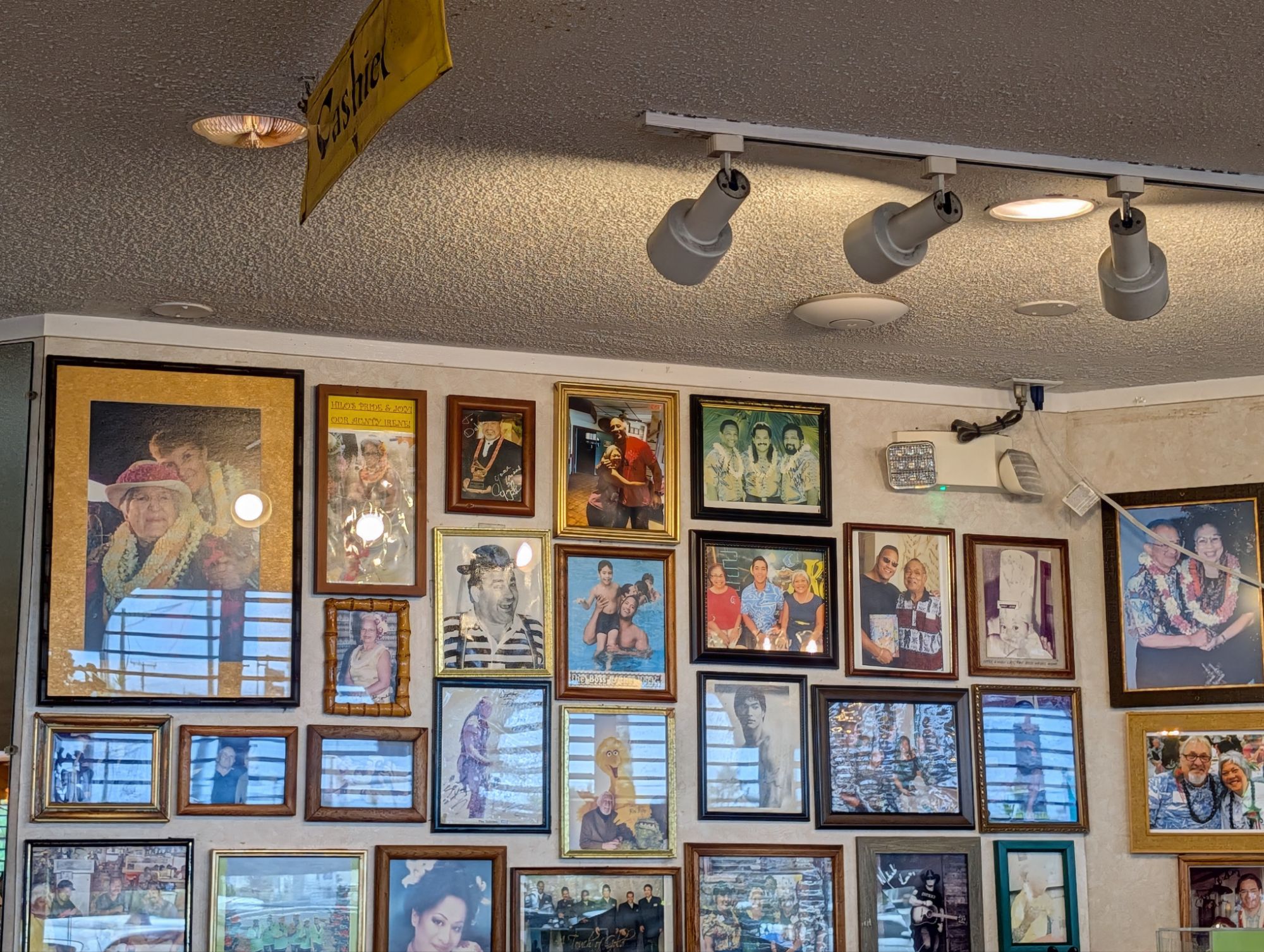
All the celebrities visit here and they tried to take my picture too…
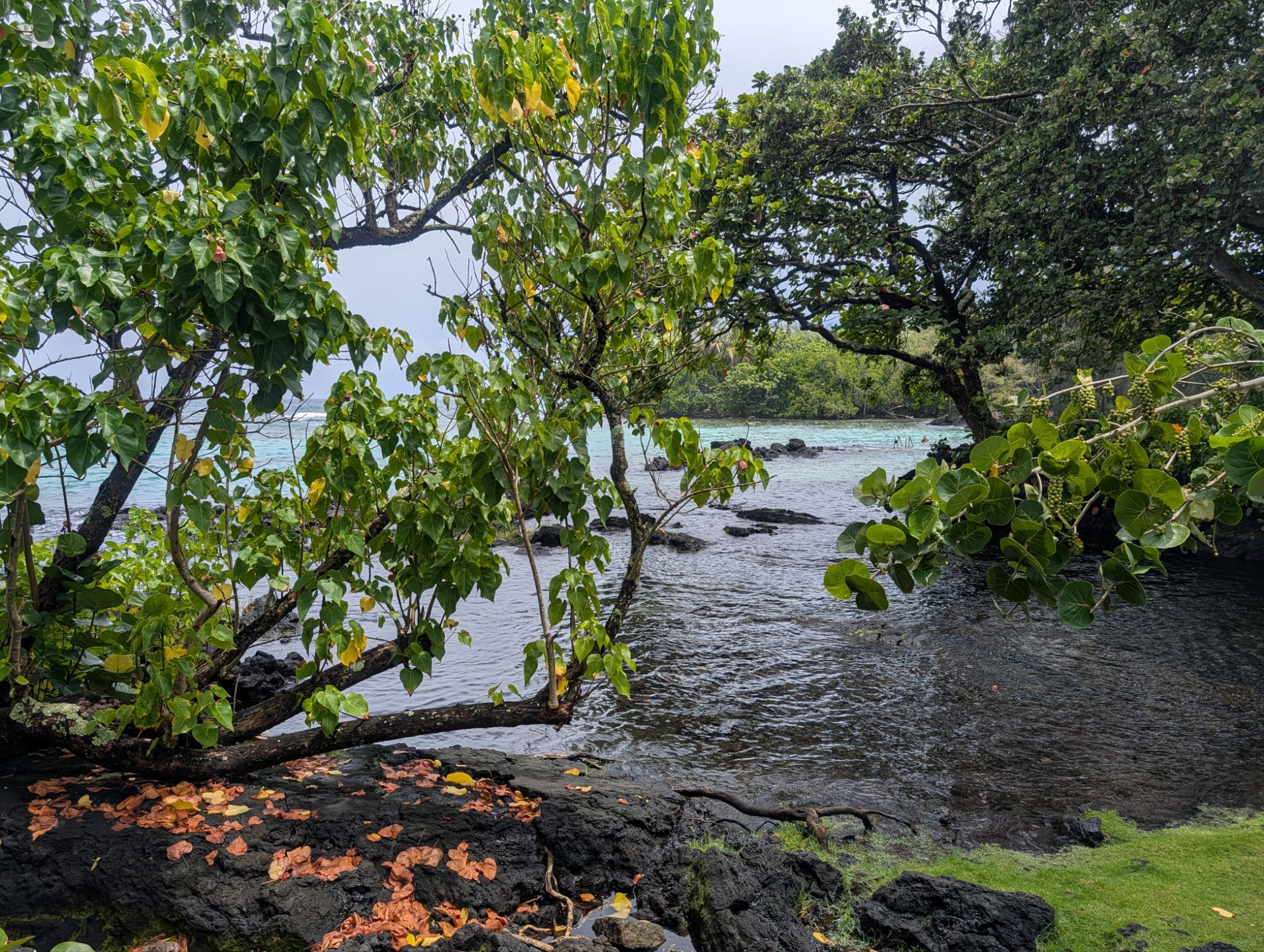
There are tons of little lagoons and beaches around the island you can explore. The idea is to catch of the turtles and hang out with them. Carlsmith Beach is pretty popular and accessible to both humans and turtles
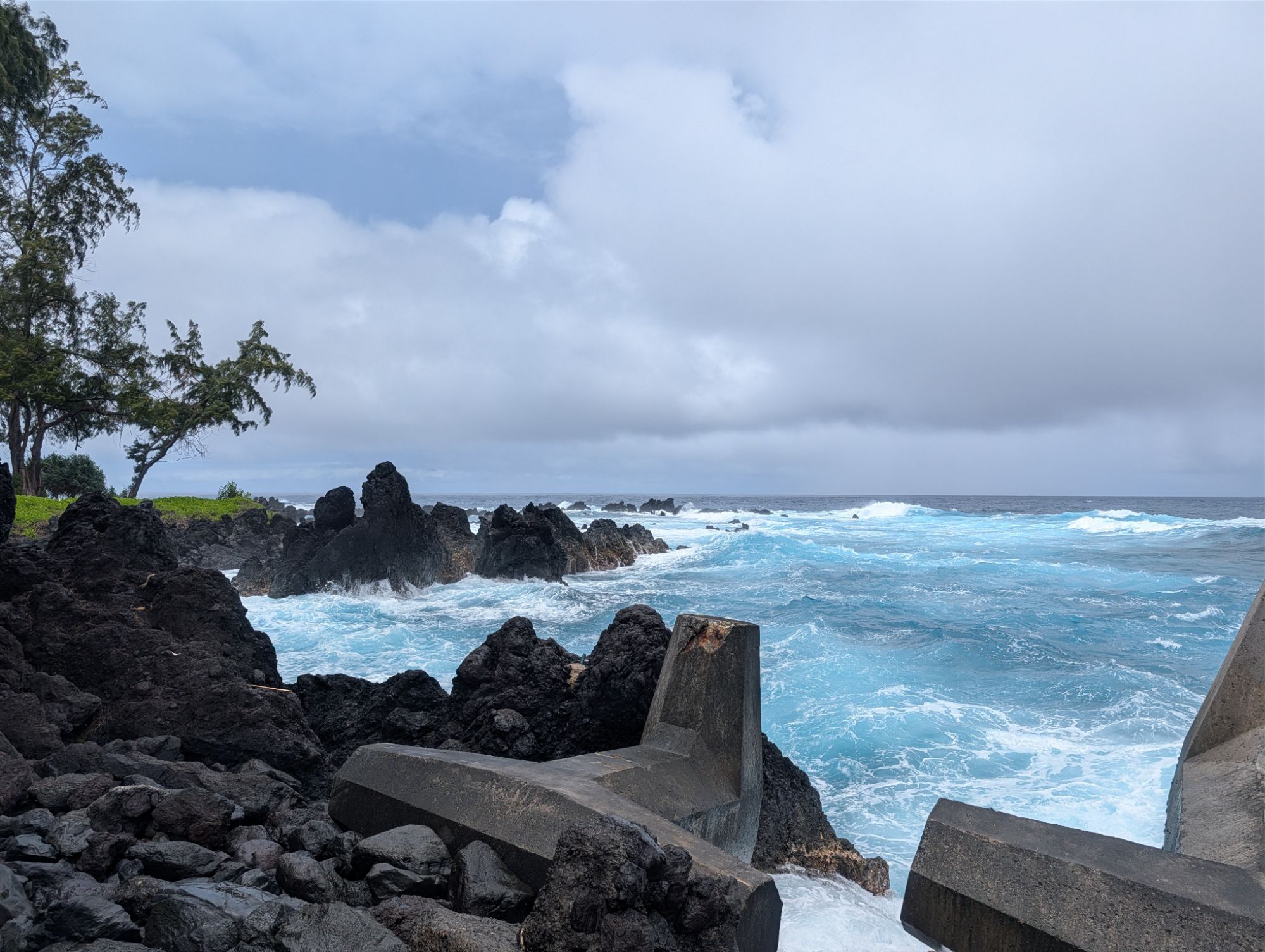
but even cooler and further to the north is a park, lookout and place to go fishing called Laupāhoehoe Lookout. It is pretty intense and worth taking the narrow road down to the coast to check out.
But you did need to be careful and watch out for these lava based crabs that are spawned from the depths of the deep lava tubes!
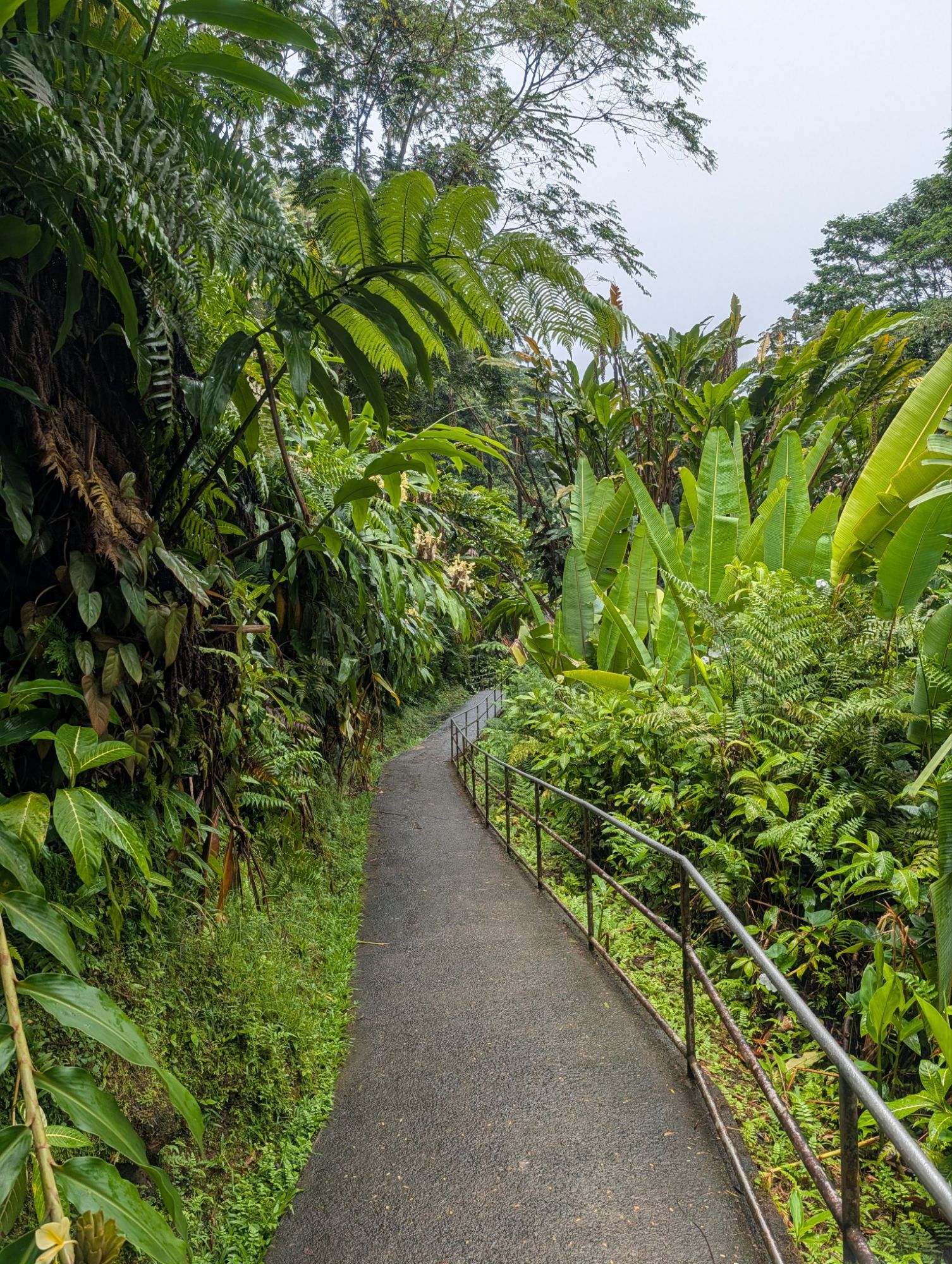
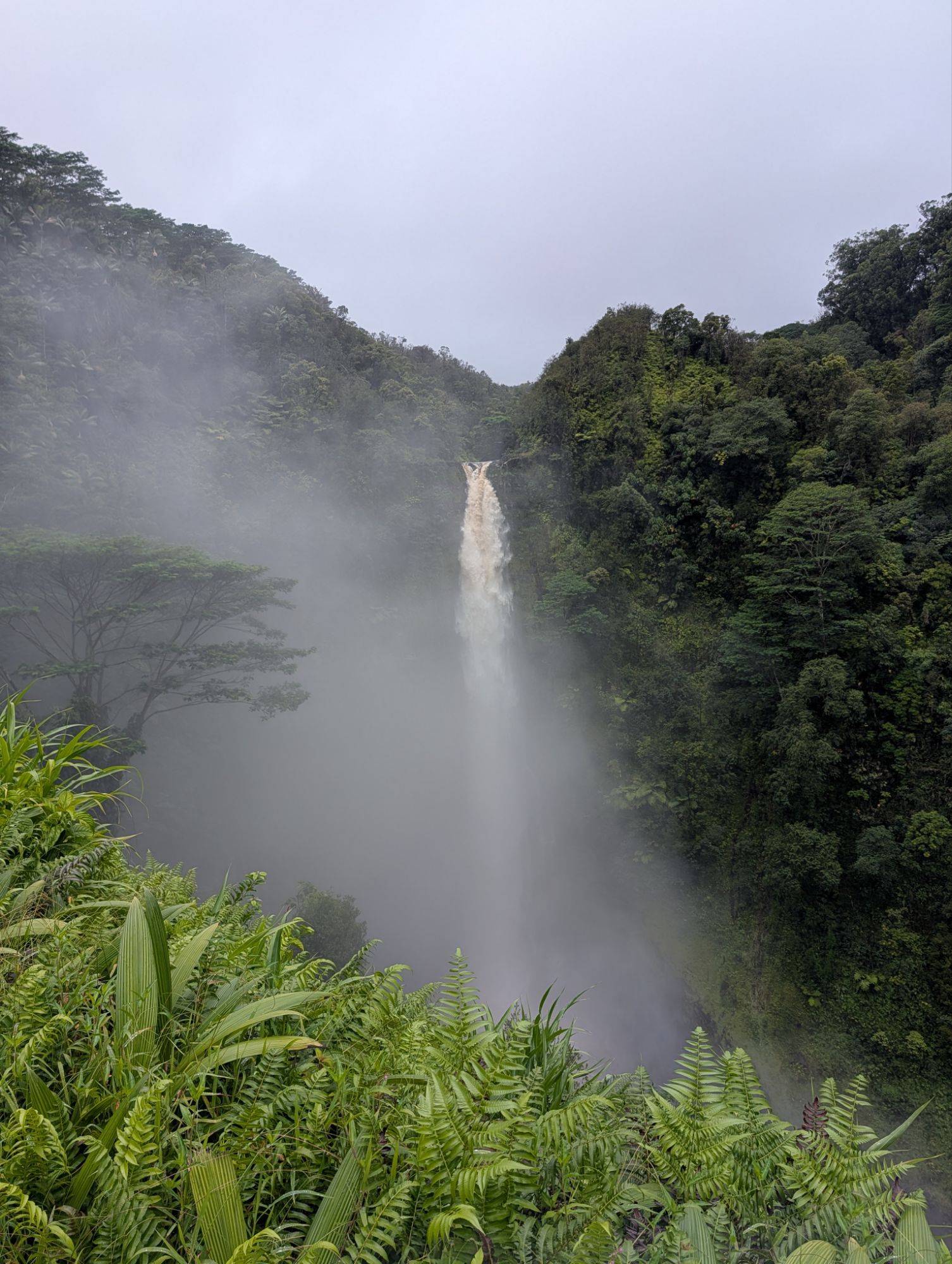
Similar to the Rainbow Falls in Hilo, it is recommended to check out Akaka Falls. It is a very short (and very humid) walk through the rain forest.
Not too crowded, lots of flowers and you also have the same scammer Diamond Parking crew collecting money from every visitor.
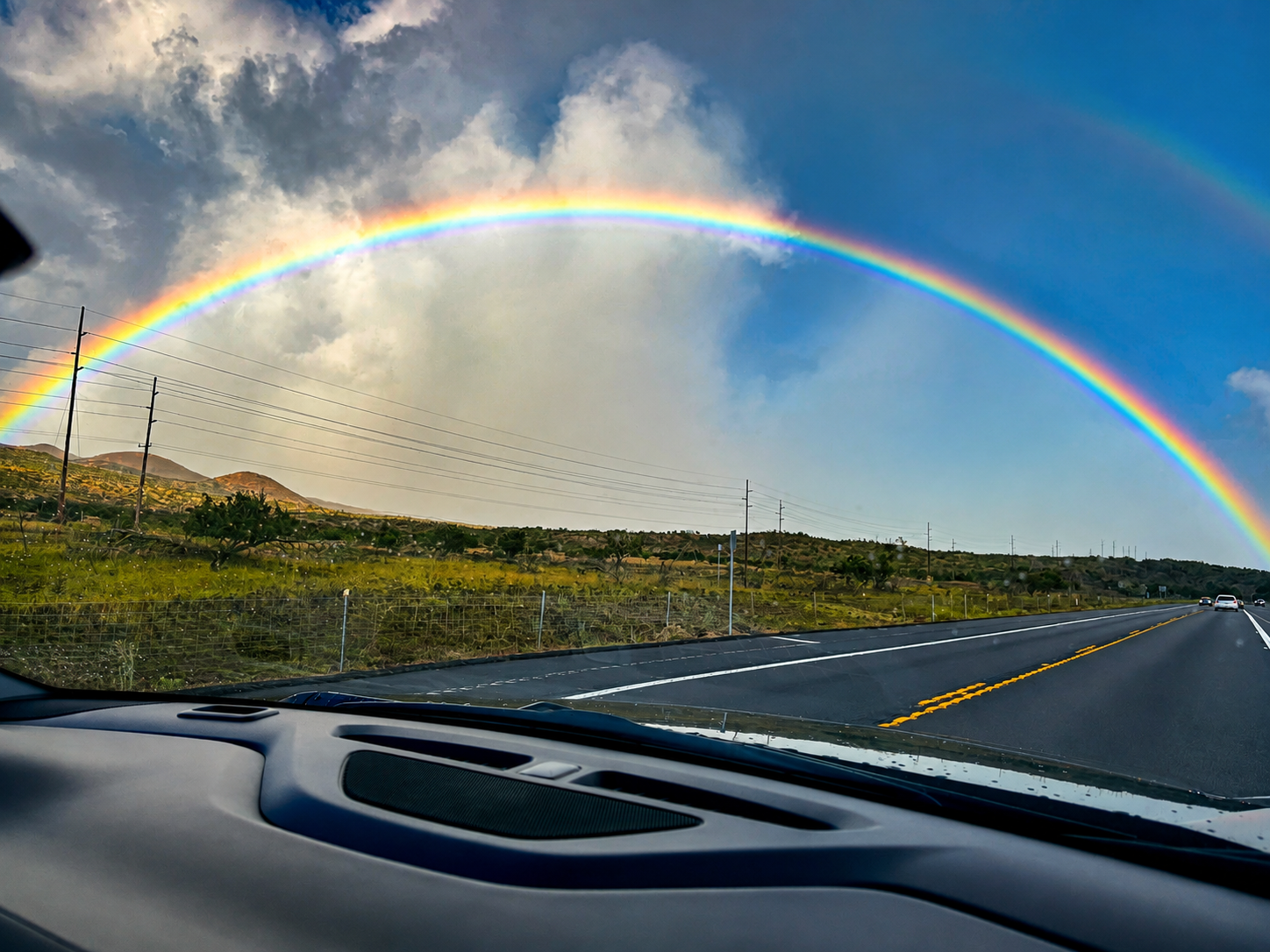
It takes about an hour each way to cross the middle of the island through the long, desolate and boring lava fields. You get one of two extremes each way: massive rainbows across the side or complete blinding fog and rain that you almost have to pull of the road as you cannot see anything.
But the treat at the end is a good cup of Kona coffee which is quite popular.
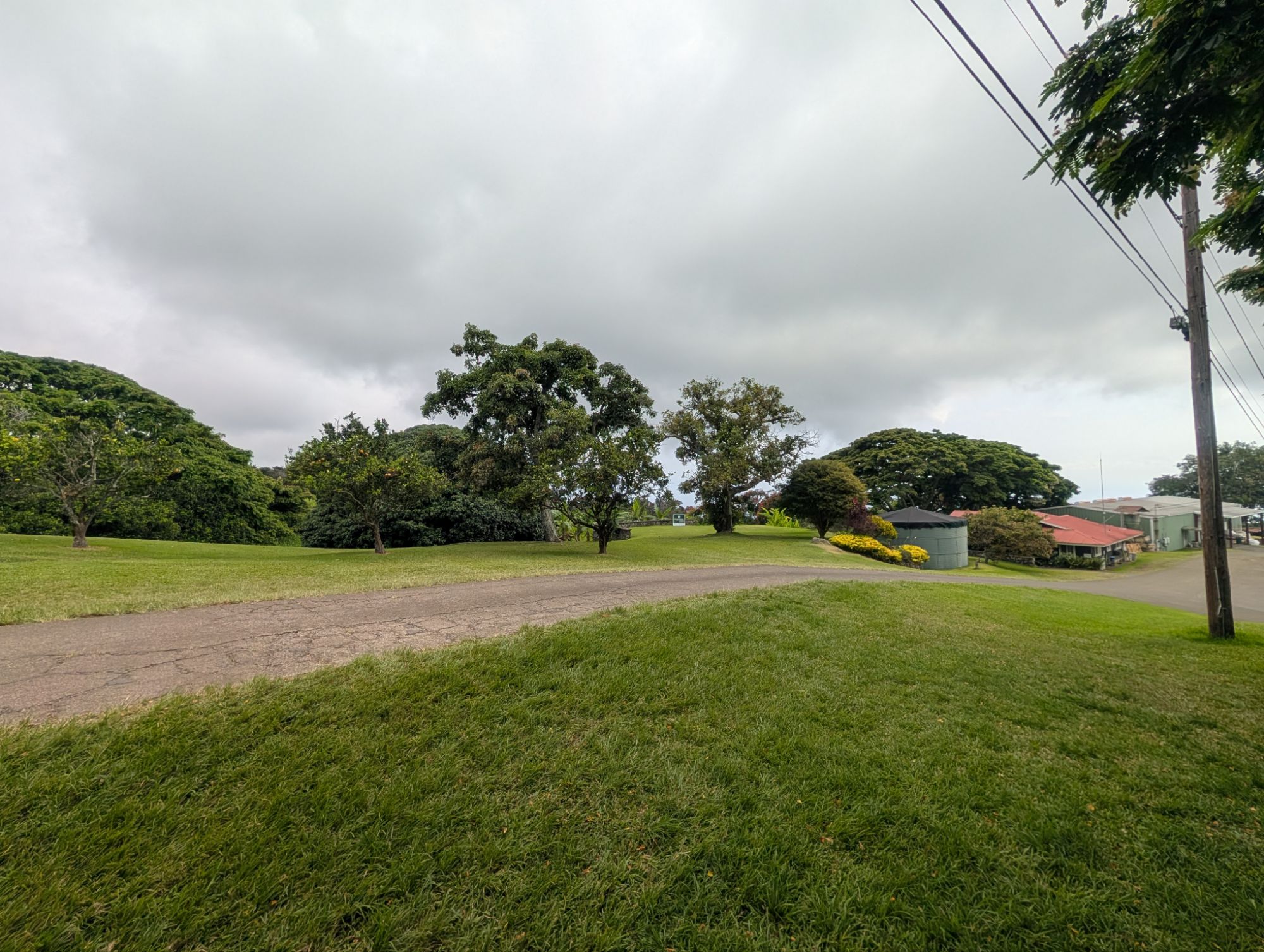
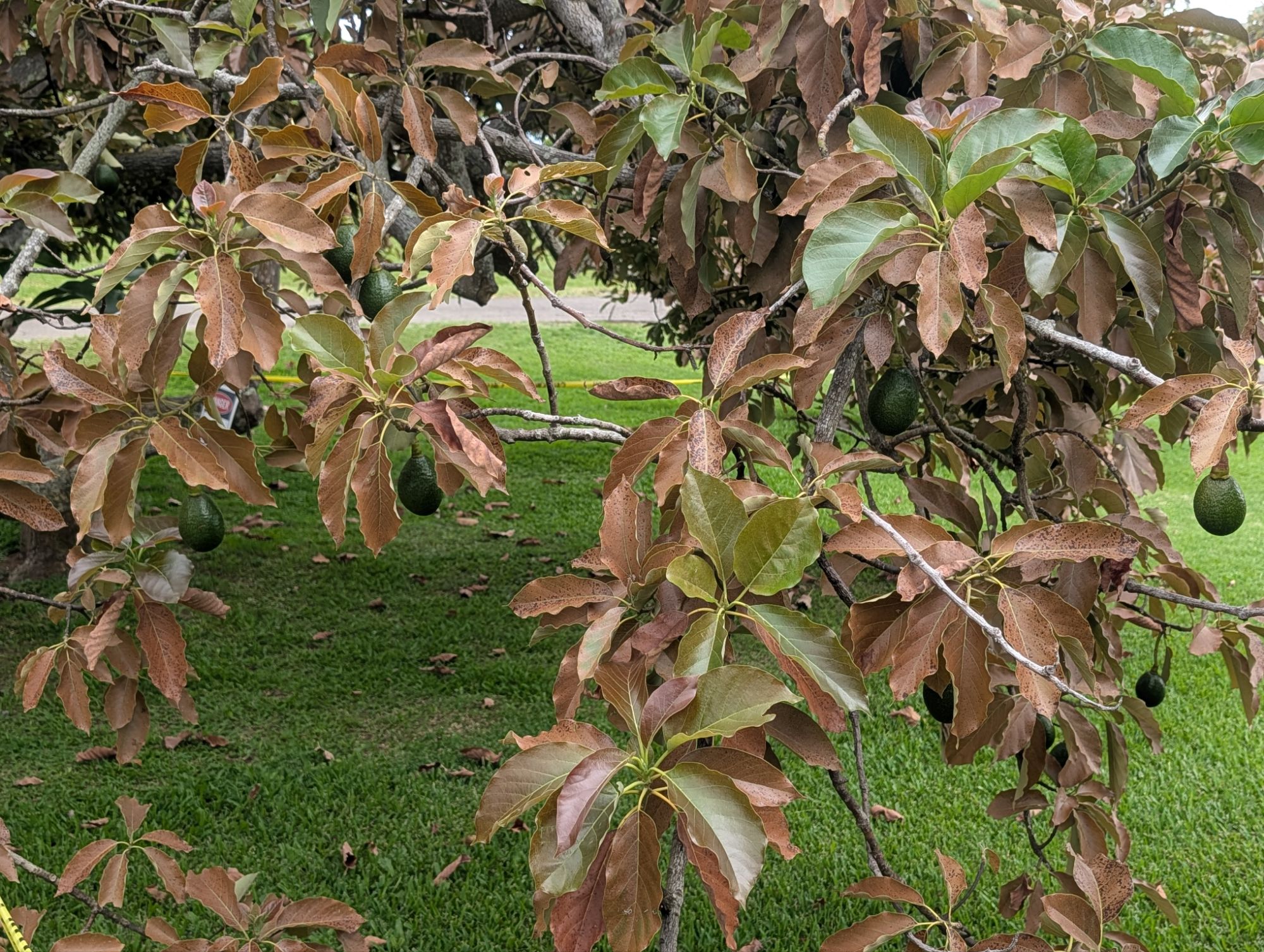
We took a tour around Greenwells coffee planation which was quite large and very nice to get the local insights. What was the surprise was all the massive fruit trees and avocado trees which were massive.
Was Kona was as fancy and better than everyone claims compared to Hilo and the eastern side of the island? Not really. It is just newer with more industrial space and Costco, but really does not feel that Hawaiian.
We drove back to Puna area to enjoy the calming private waves 🙂
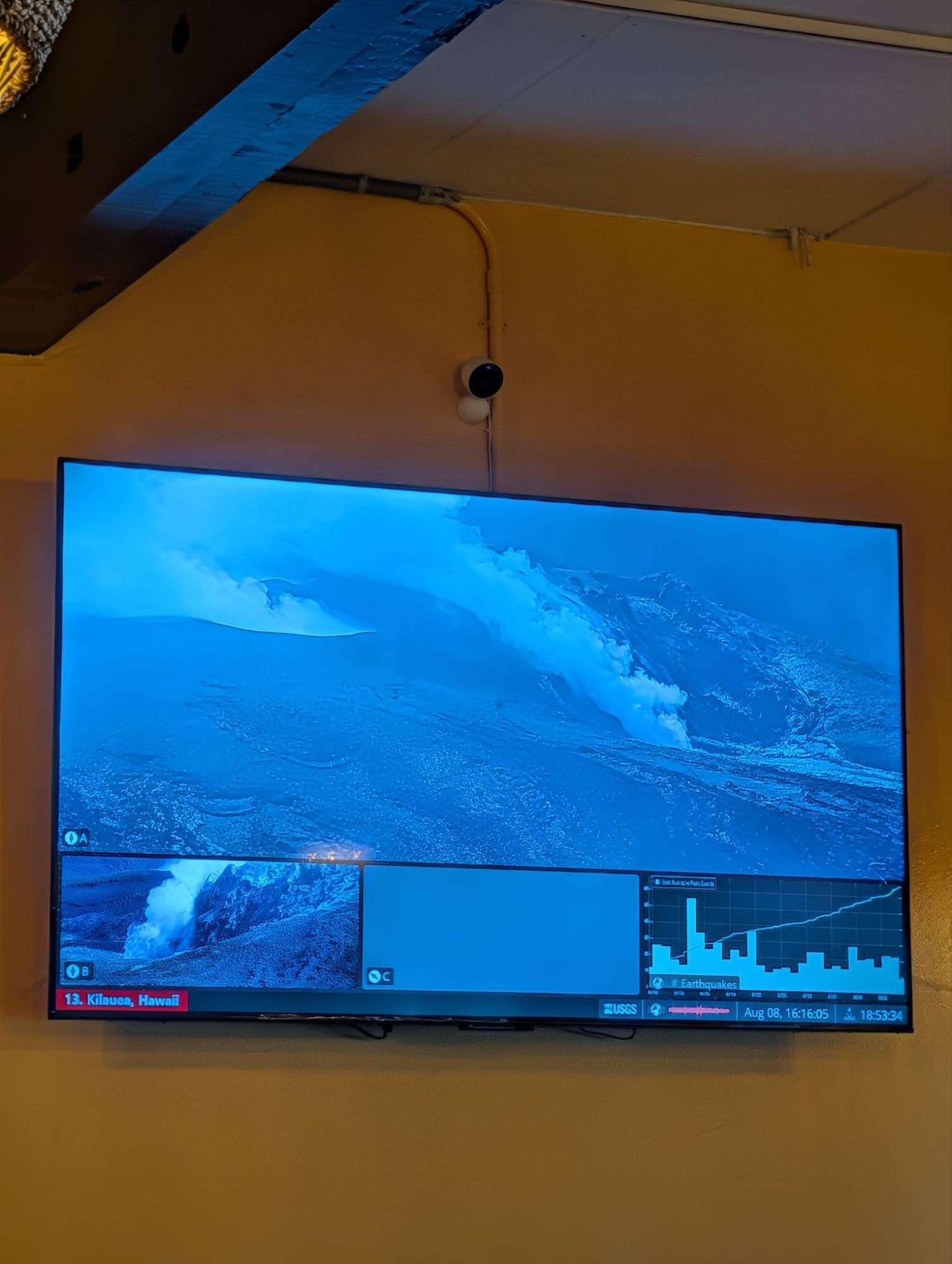
If you want to tour volcanoes where is the best place to go? Hawaii of course! There are actually five active volcanoes in any given time on the island of Hawaii. (you can keep a live of view of us walking around the plumes remotely if you like on this live feed: [V1cam] Kīlauea volcano, Hawaii (west Halemaʻumaʻu crater)
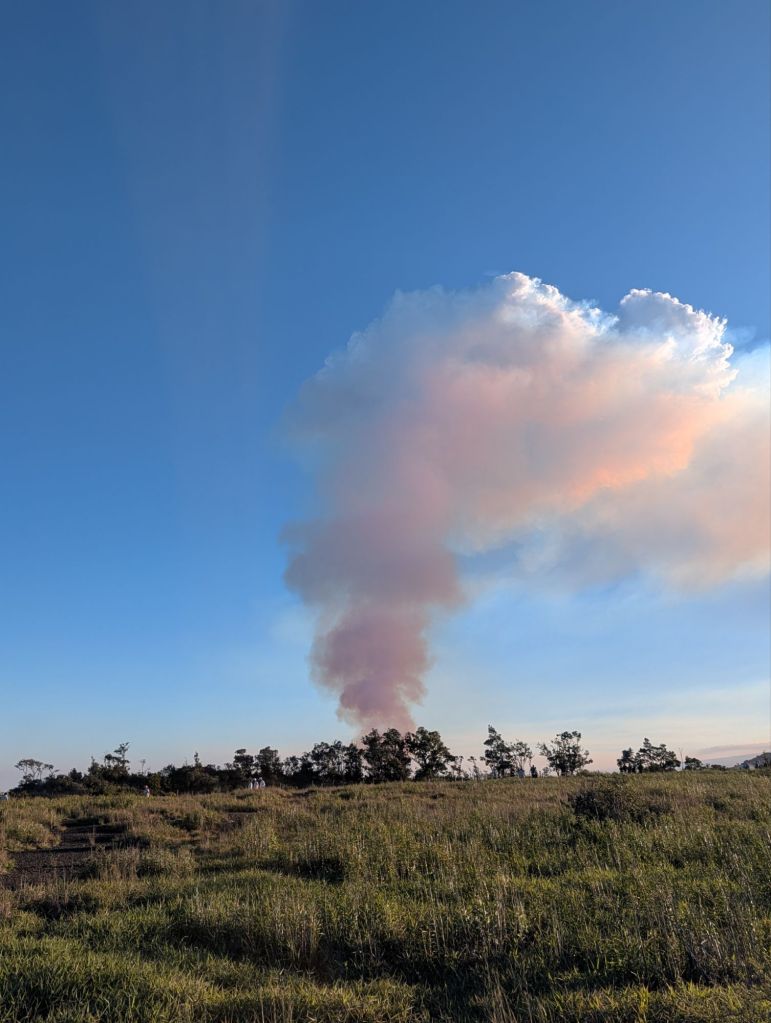
And guess what we saw on our last night in the sky before dinner?
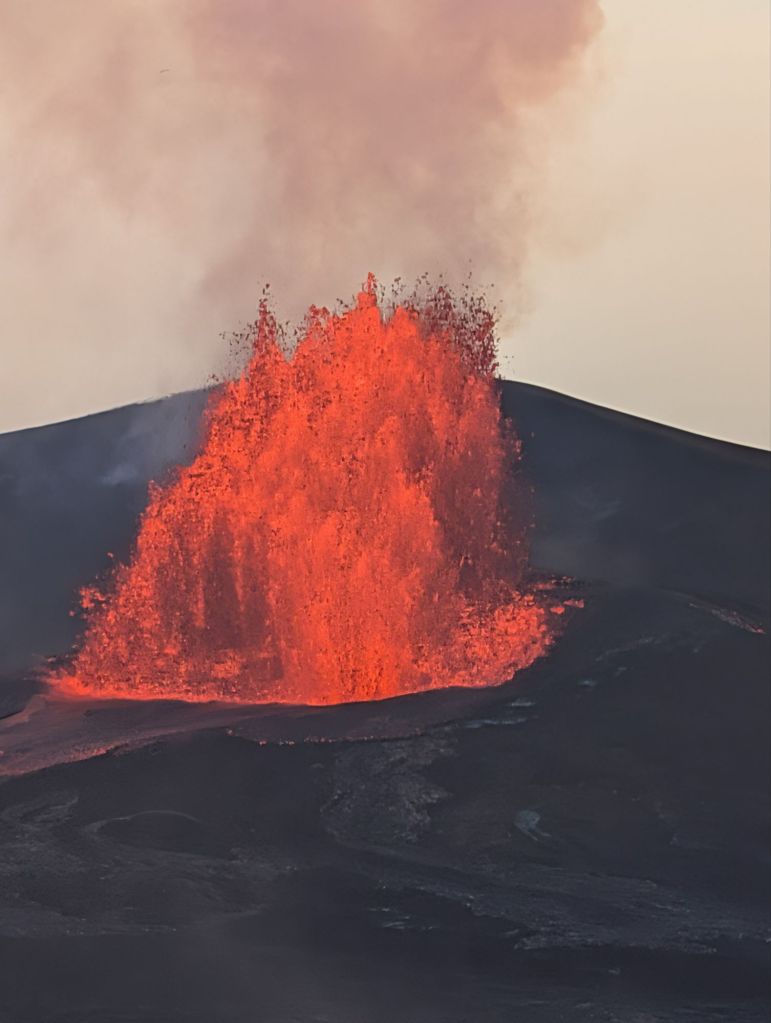
When there is smoke there is….lava!
Once in a lifetime opportunity to see a volcano erupting live 😎
So we decided to go exploring and start off with a quick morning breakfast at a hotel named accordingly The Volcano House.
It has a natural great view over the crater as you enjoy breadfruit toast.
You do have to be careful and continually watch the as the gas coming out of the volcano can be quite poisonous and shift in your direction at any time.
The volcano park is quite large and the large lava fields are almost scary like you’re in famous science fiction movie.
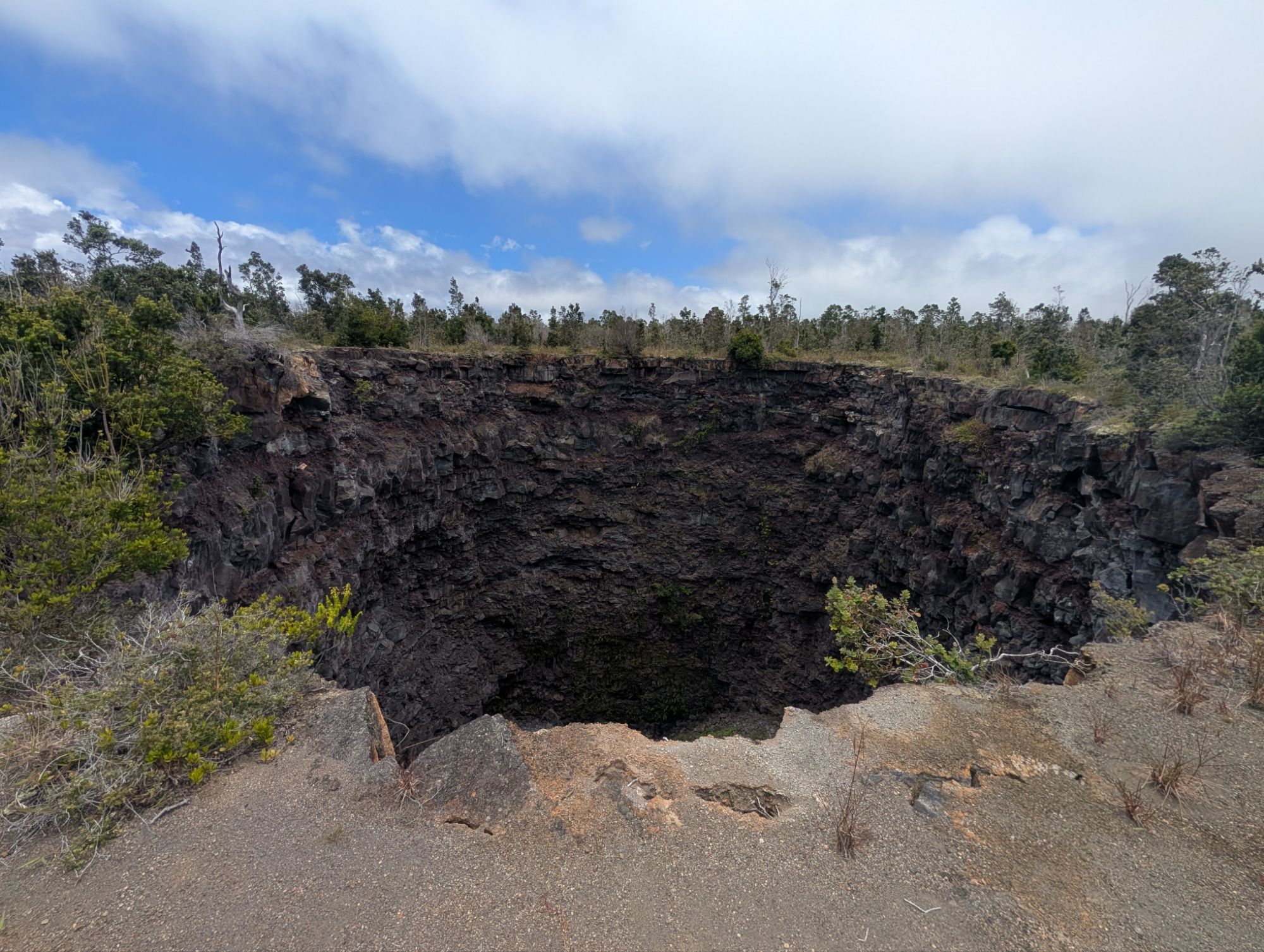
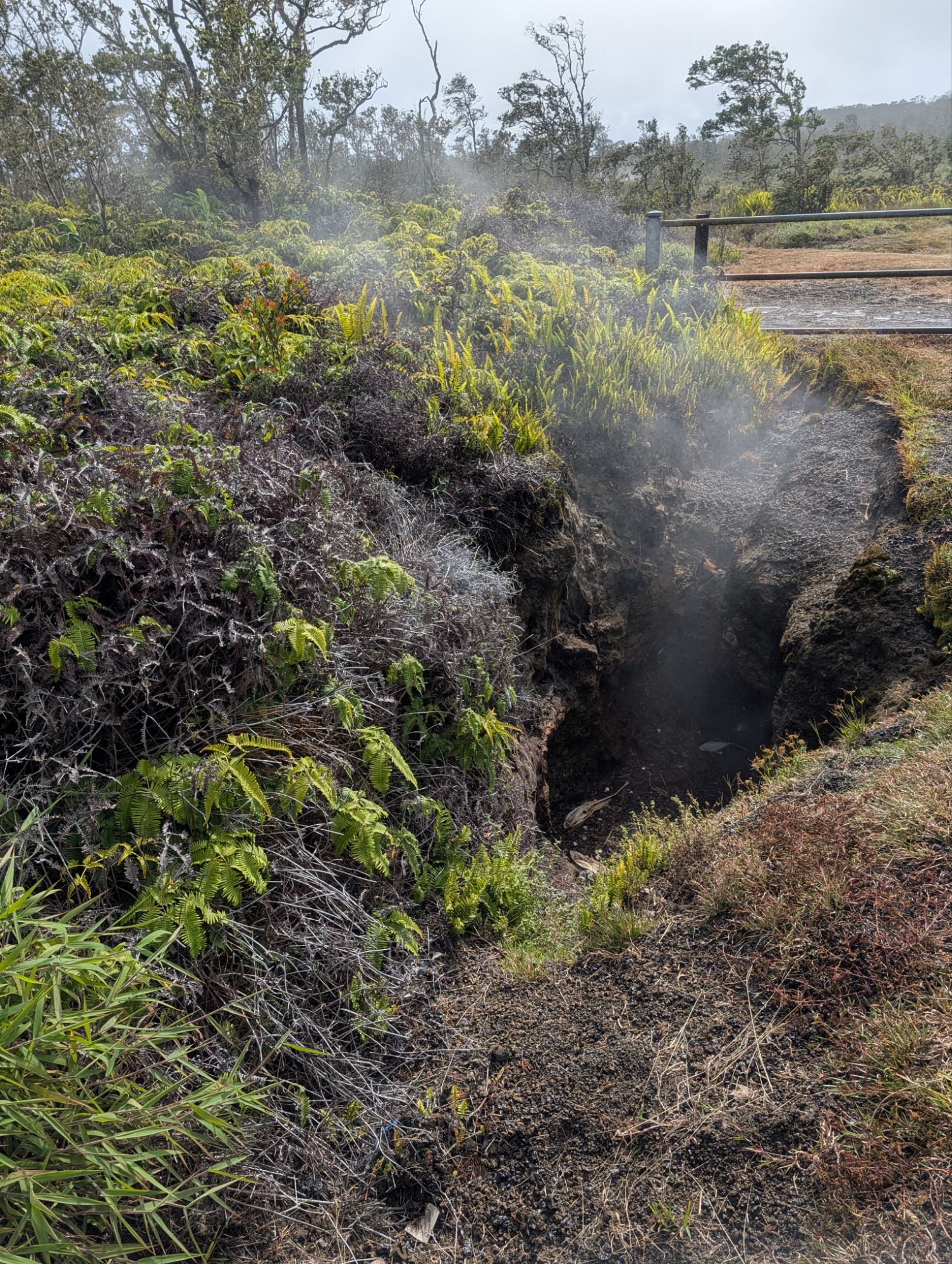
There are numerous hidden spots that if you are willing to take a full day or more and just explore you can find quite amazing sites that are also equally dangerous. This one is called the Devils Throat and it is not even on the map, but you can find it when hiking.
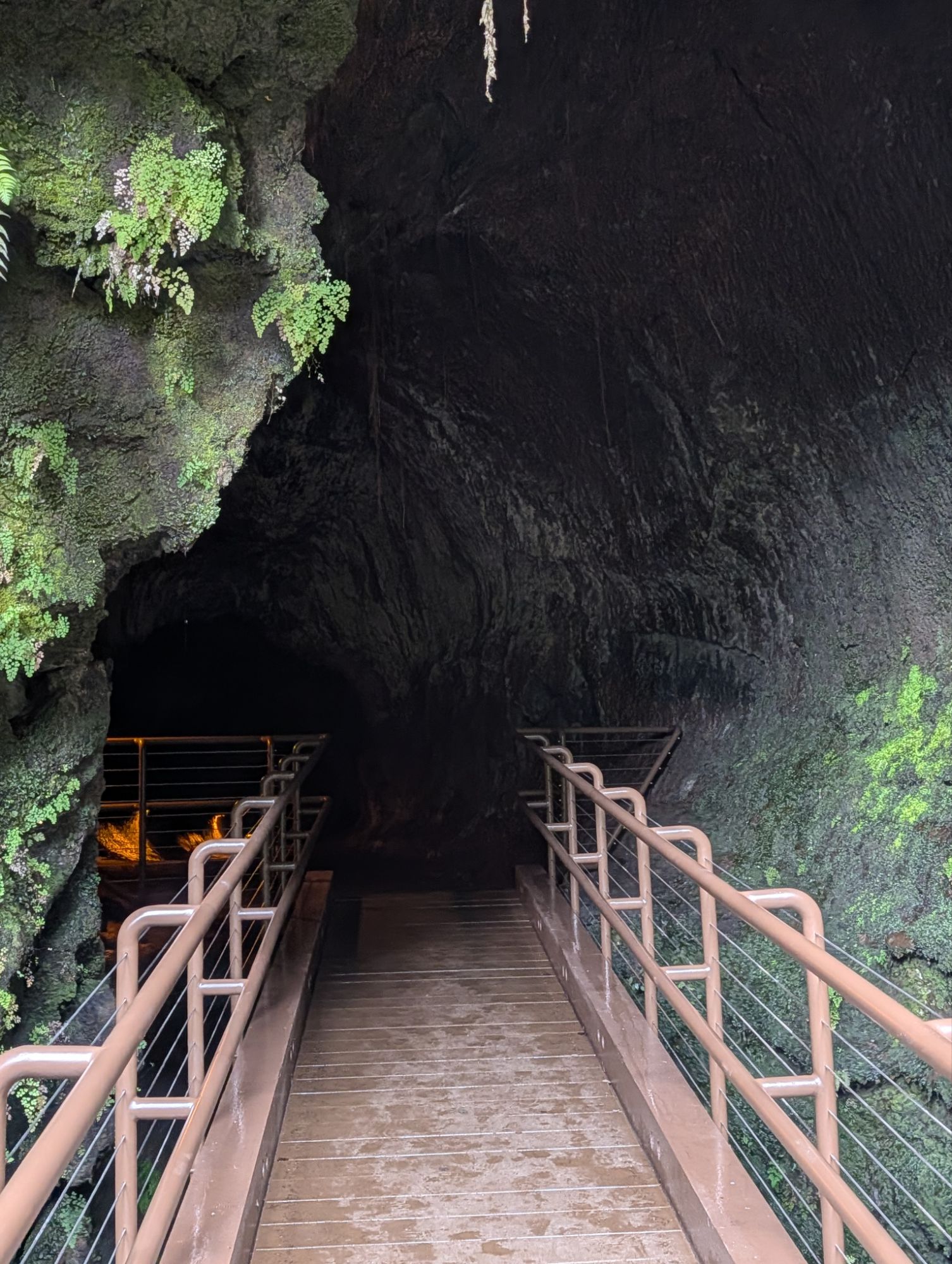
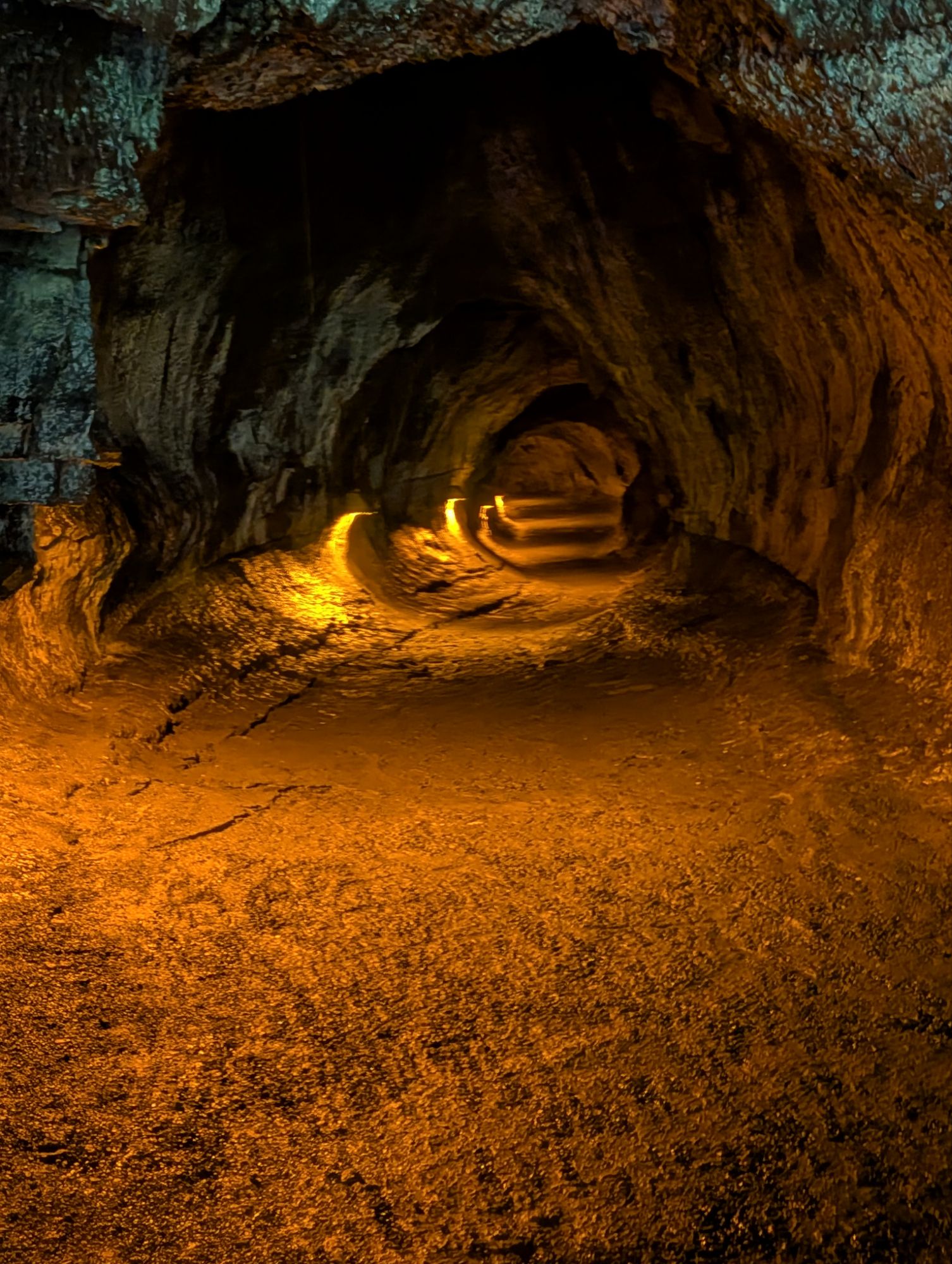
There are also numerous lava tubes which are quite huge and amazing to check out.
But make sure you have a flashlight and good wet gear because they’re not very dry and this is how the ancient Hawaiians used to collect all their water as was filtered through the volcanic rock.
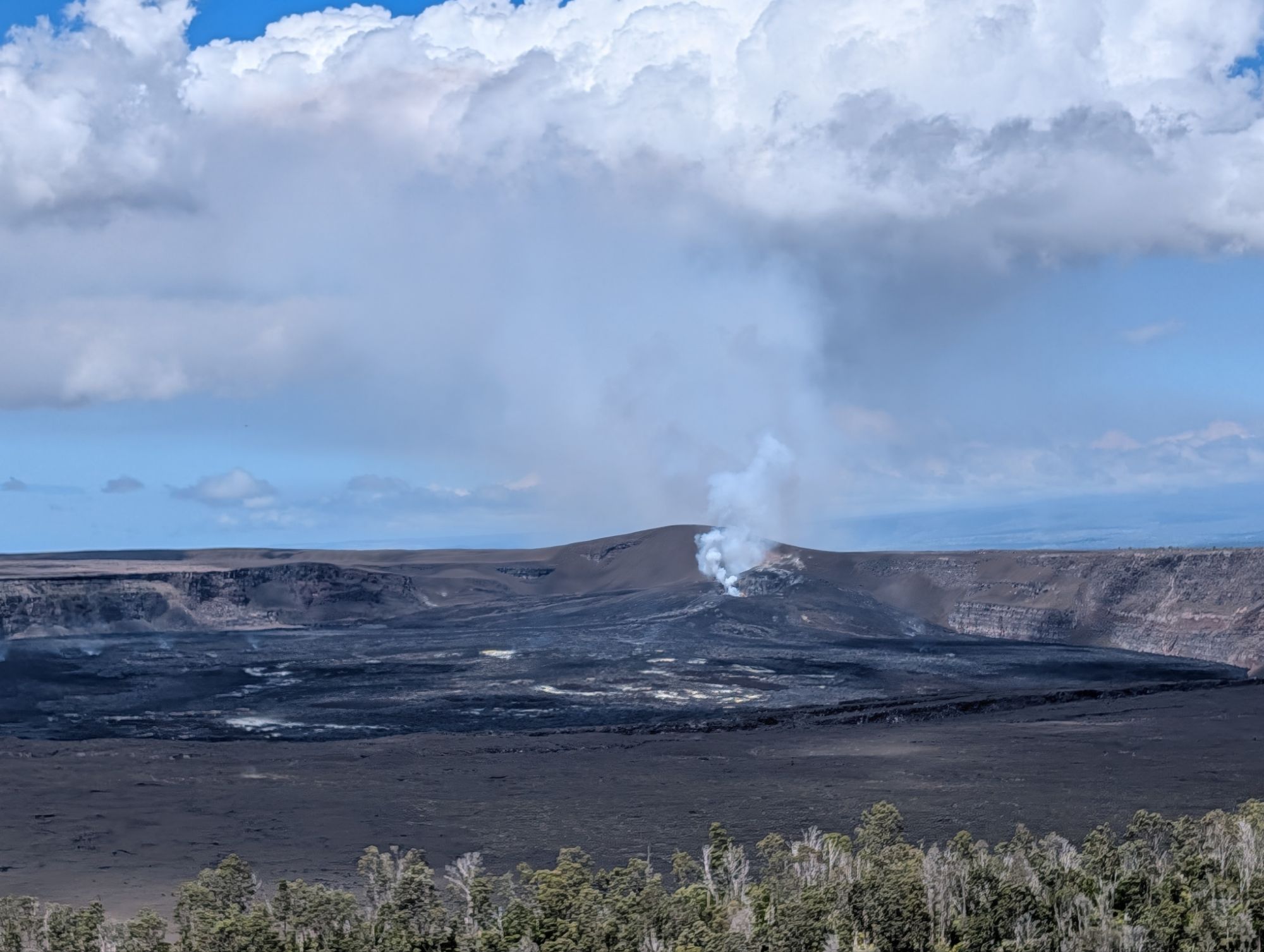
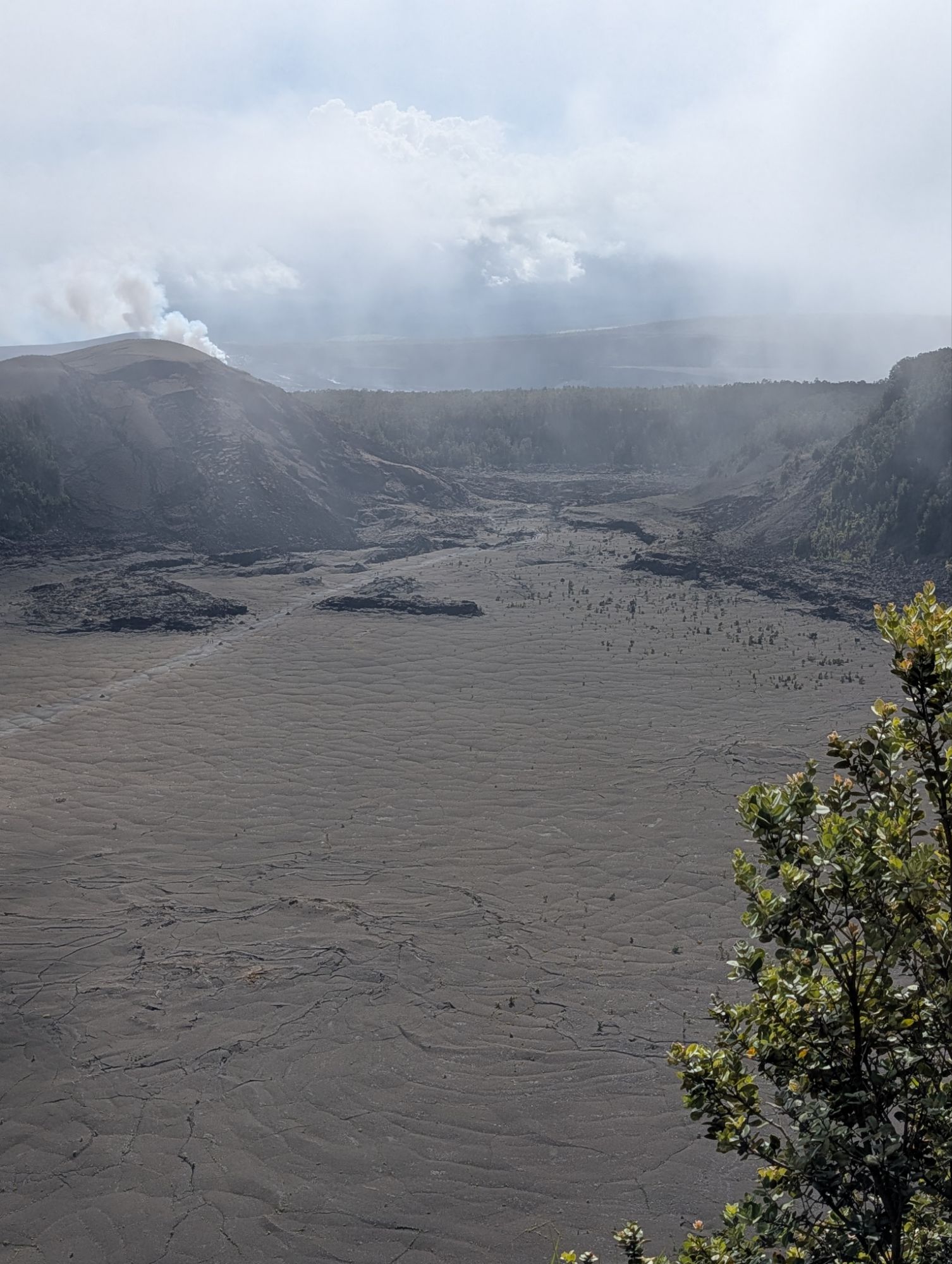
Some of the craters are enormous and you can see the plume in the distance on this one And if you look closely those are people one mile down walking through the crater that lava could pour out any minute!
I think Hawaii is one of the best islands if people like to do lots of hiking because there’s so many different trails and places to go. You can even find Steam vents throughout rainforest and the overall volcanic park.
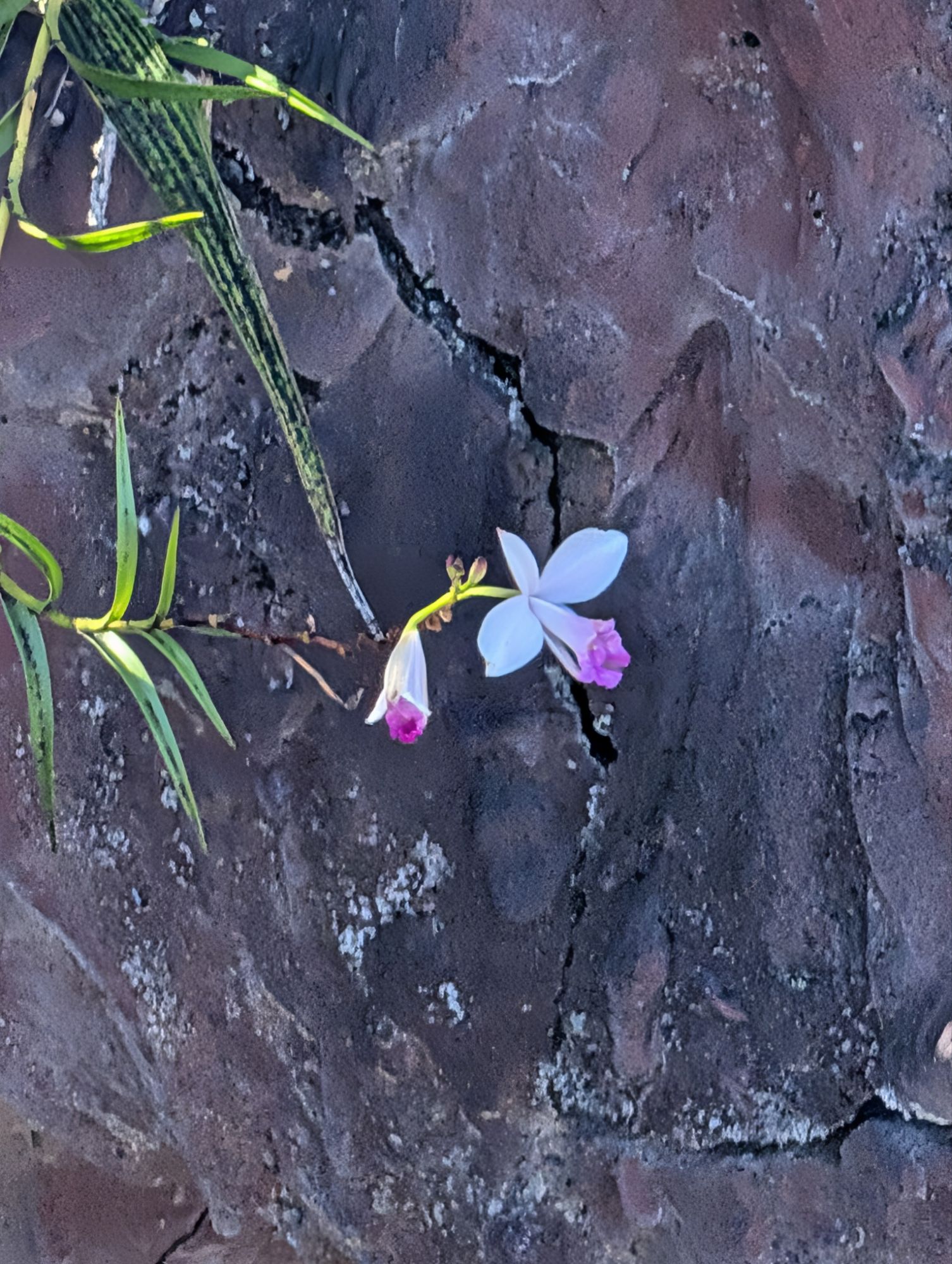
And it is amazing to see these rare orchids appearing out of the trails as you walk through the volcanic park.
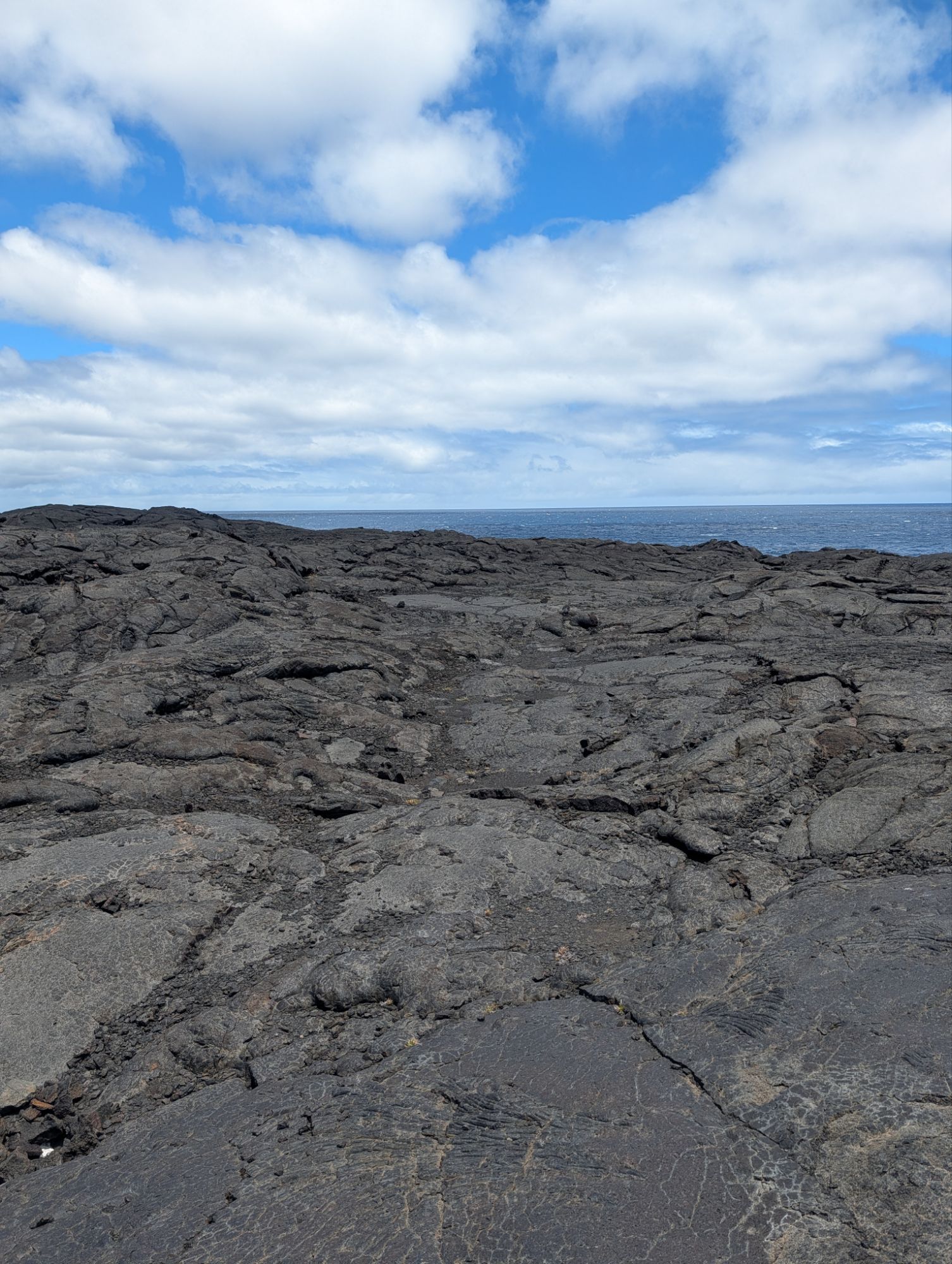
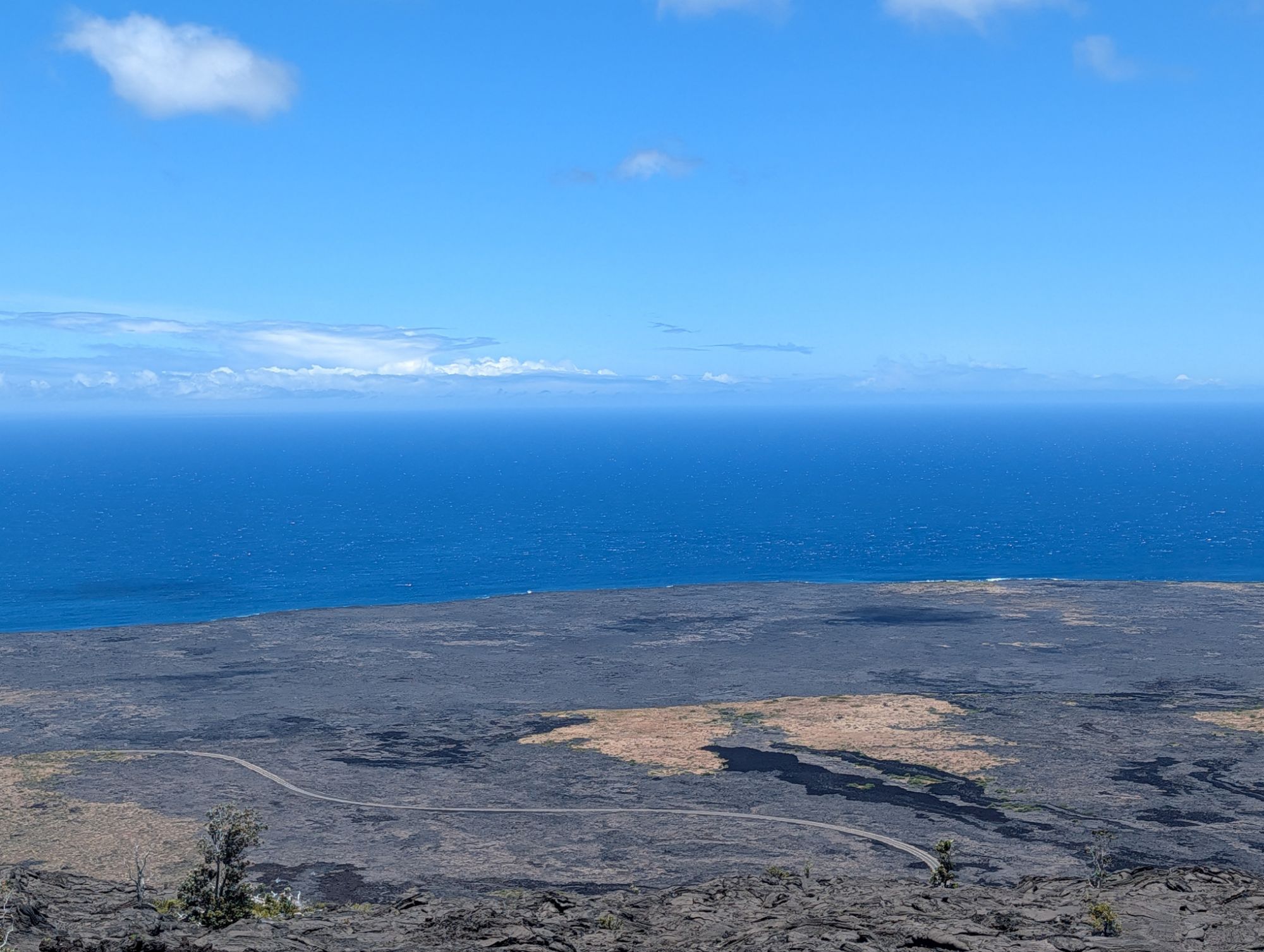
We did check out the massive lava field that goes all the way to the ocean that keeps flowing and overrunning the highway every few years. We are looking down at the moment and it was so windy, you could barely stand up.
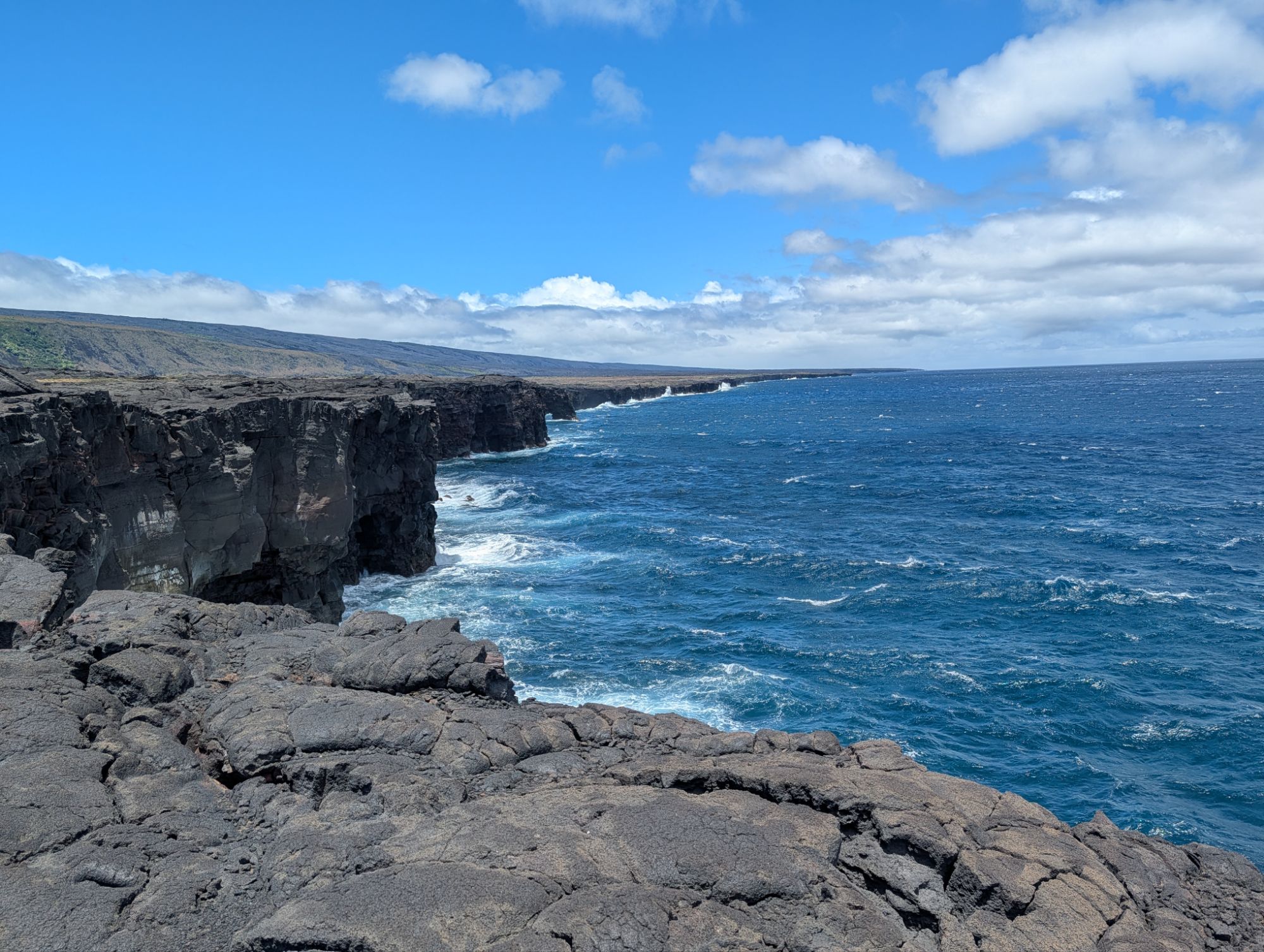
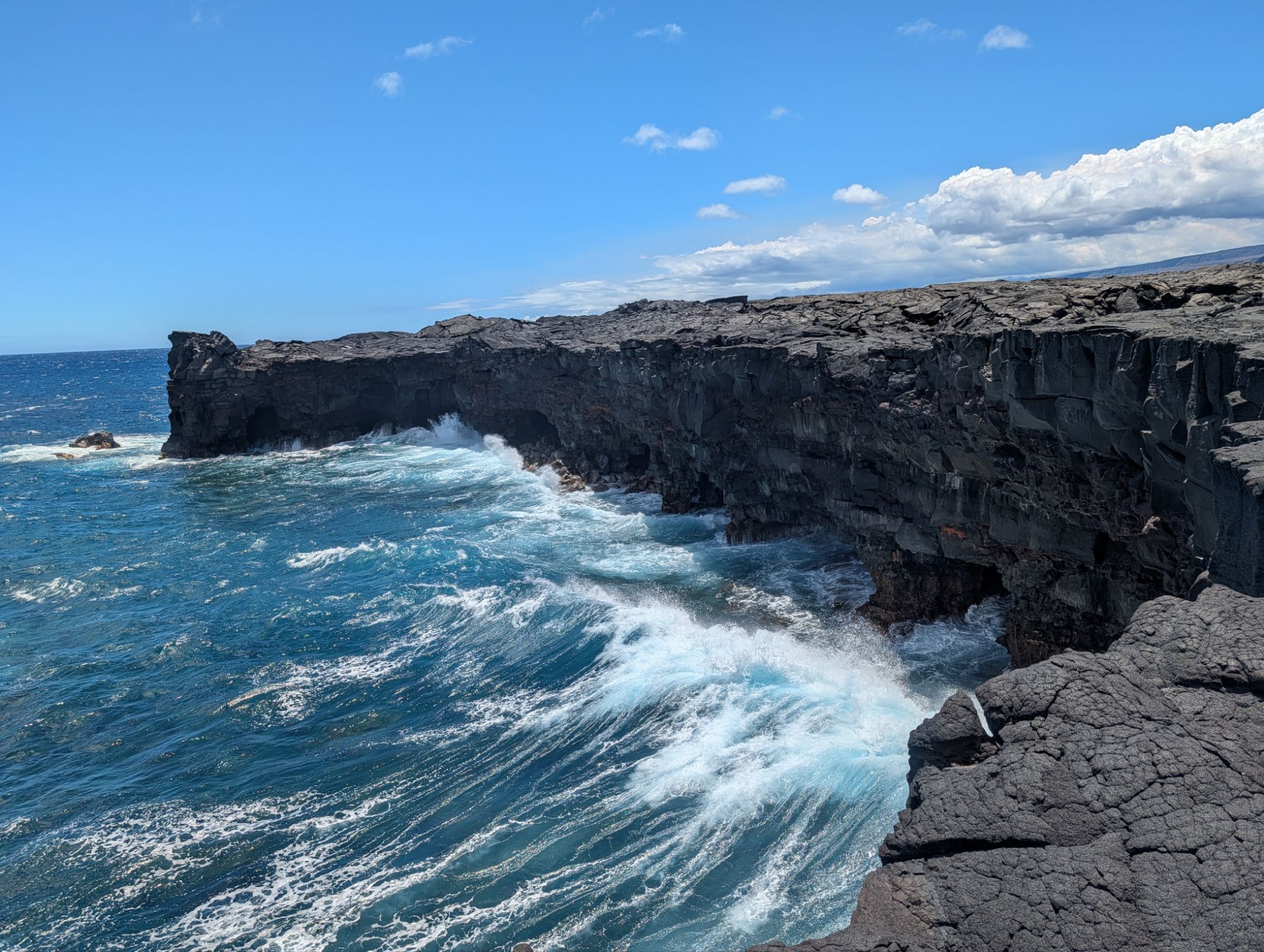
and now this the gorgeous seaside waves and bird condominiums taking advantage of the lava tubes
Look closely, you can see them getting excited we are visiting to enjoy some Kona coffee with them!
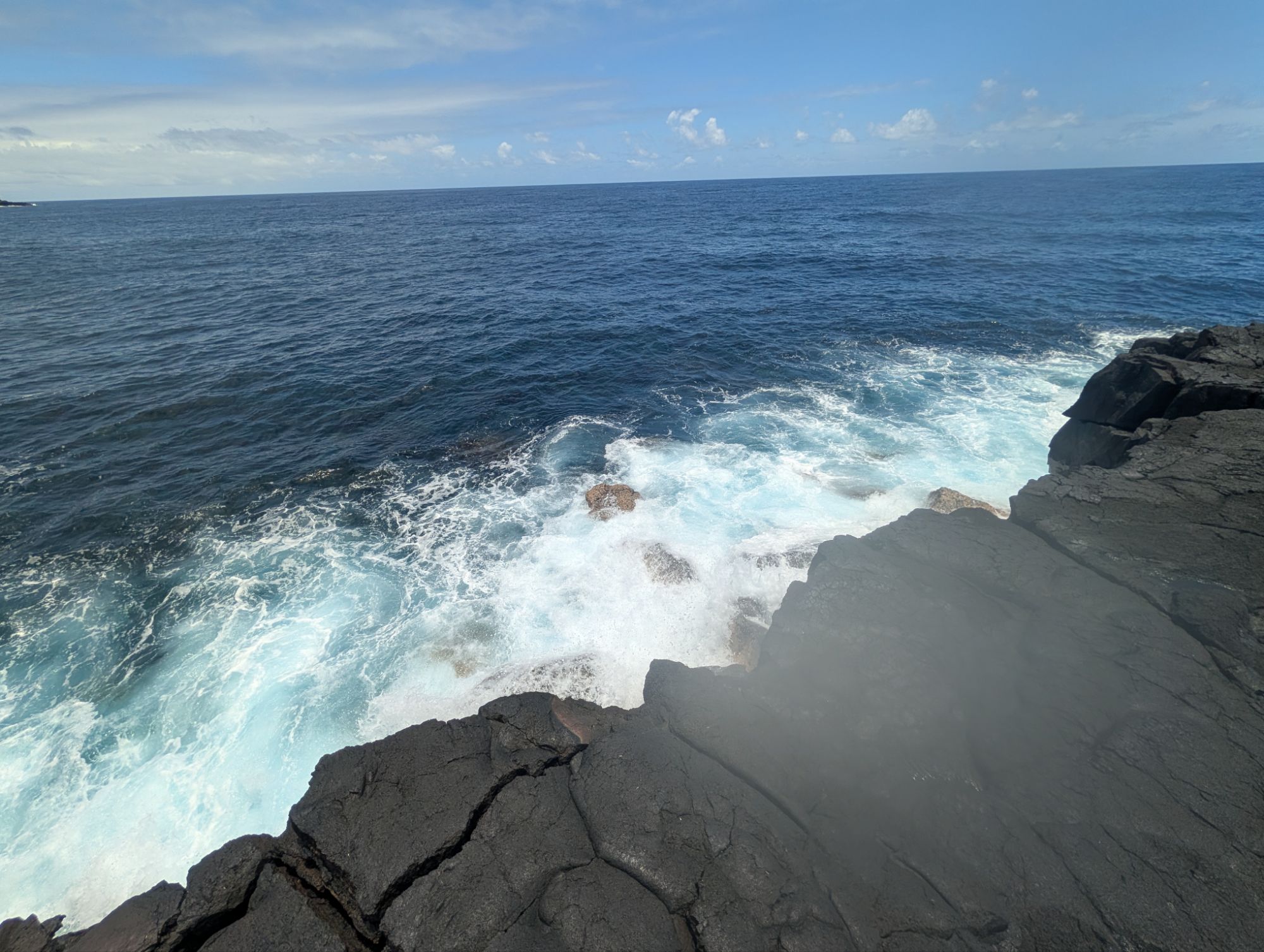
It looks a little dangerous to paddleboard here though…
Now the ending cool thing was the actual salt deposits used by the ancient Hawaiians to get salt from the ocean when it dried out.
They are all over the top of these cliffs. You can actually still taste and use it!
We decided to check out a new island and a place we have ever been before…Hilo, Hawaii!
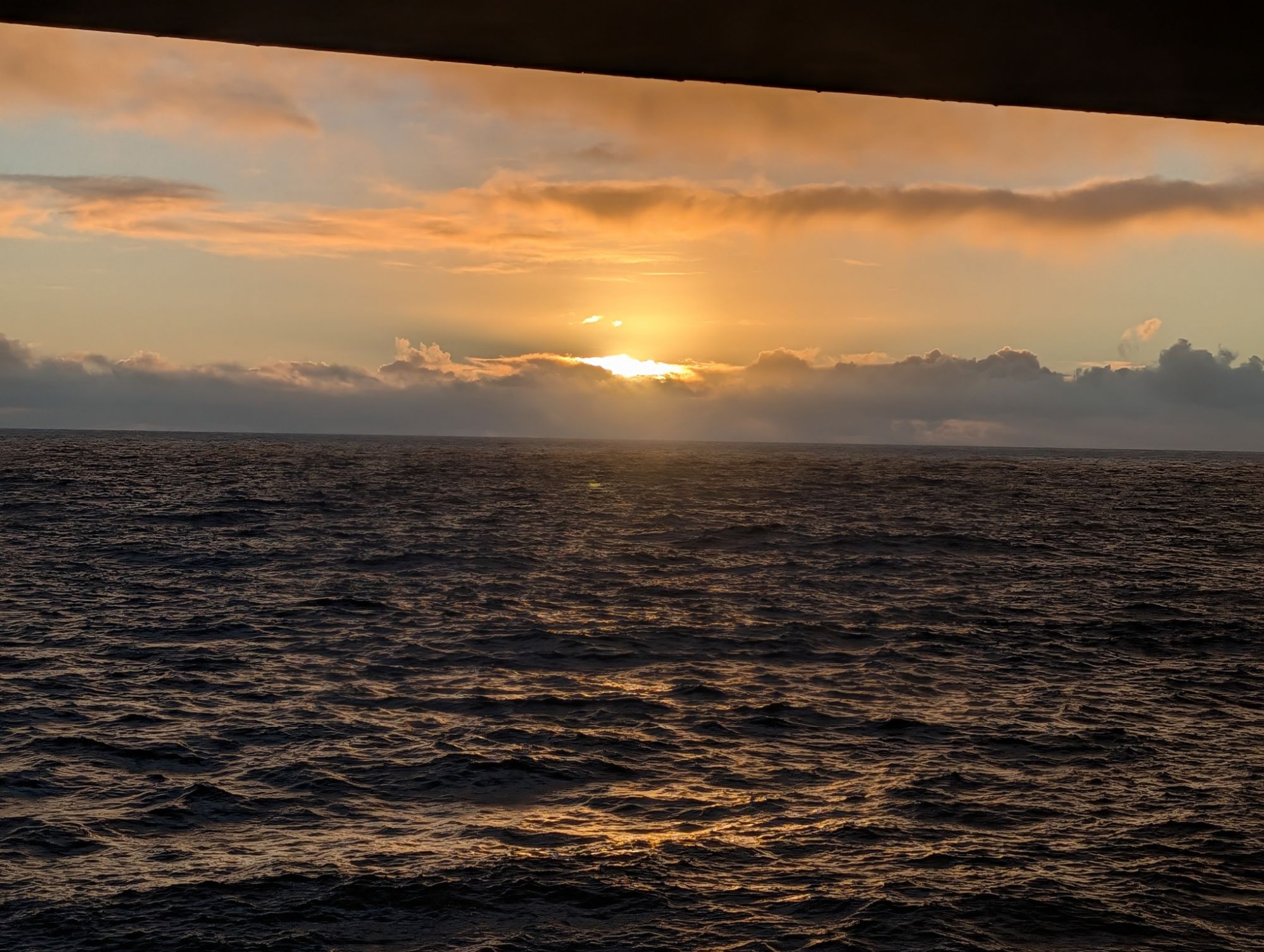
It is a little breezier and a little rainier, but it does have some great sunrises and sunsets.
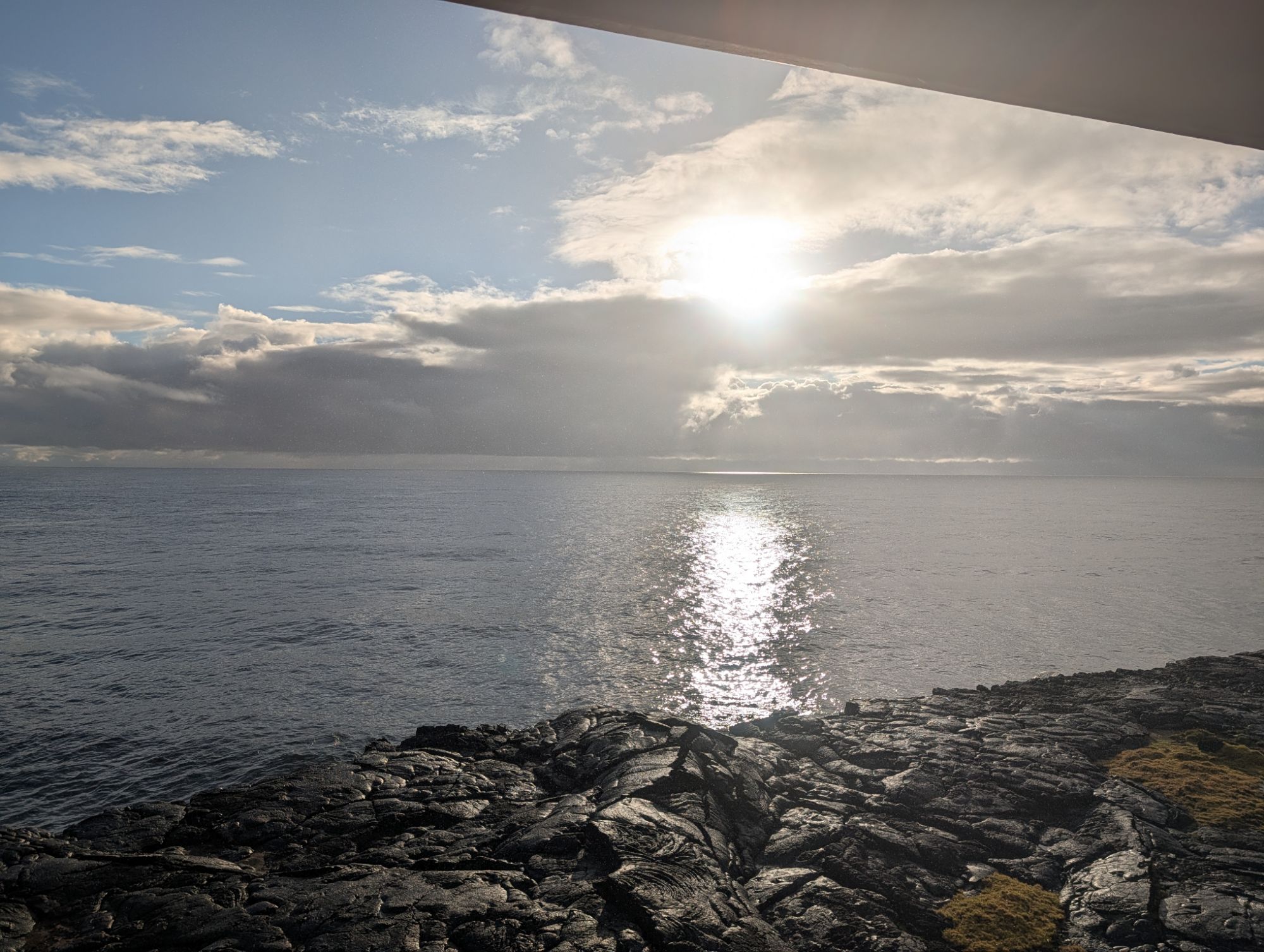
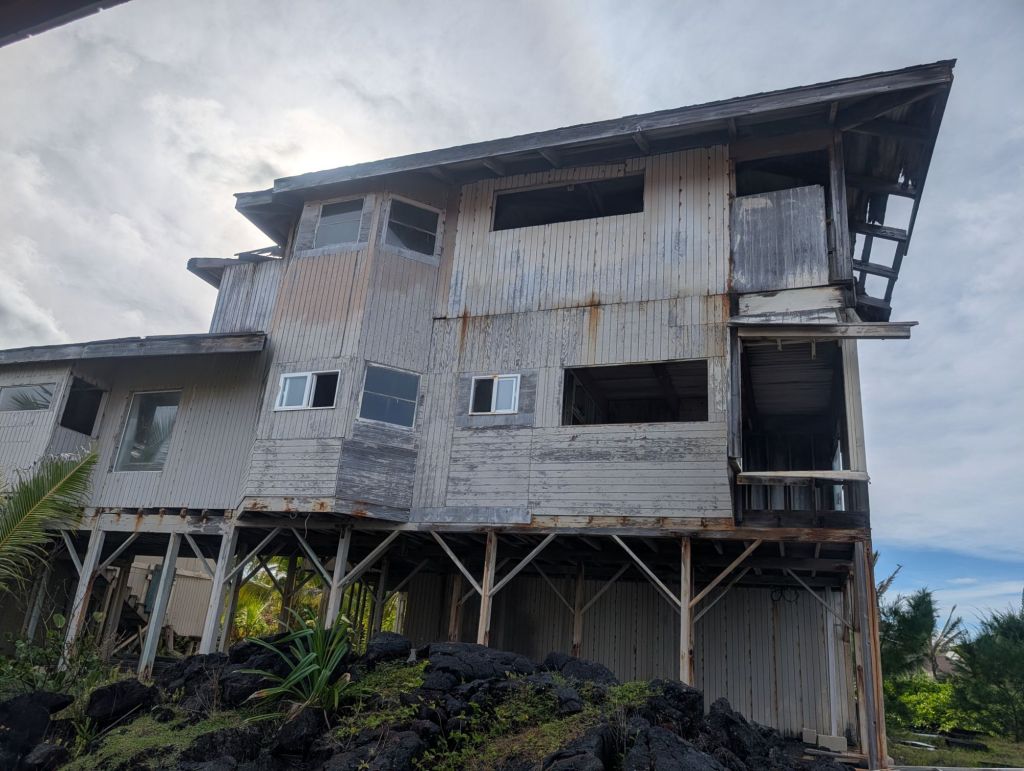
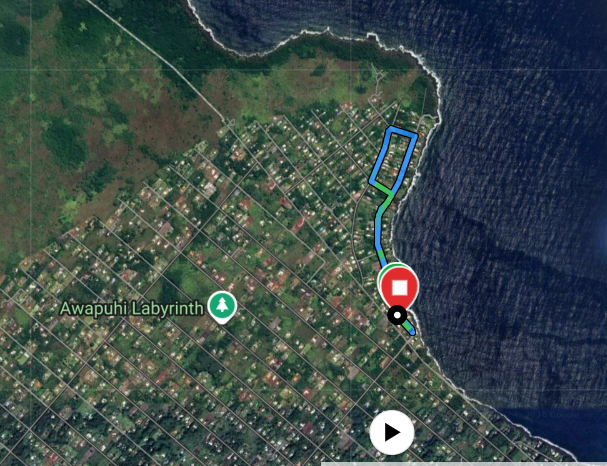
We found a good rental along the eastern coast of the island that was not quite we expected, but it has great views! 😂
Wait! Is that a shark right off the shore?
No, it is two turtles flapping around!
They love the rough surf for sure.
Hilo is very different than Honolulu and Waikiki and you definitely need a rental car as there is a lot of driving around.
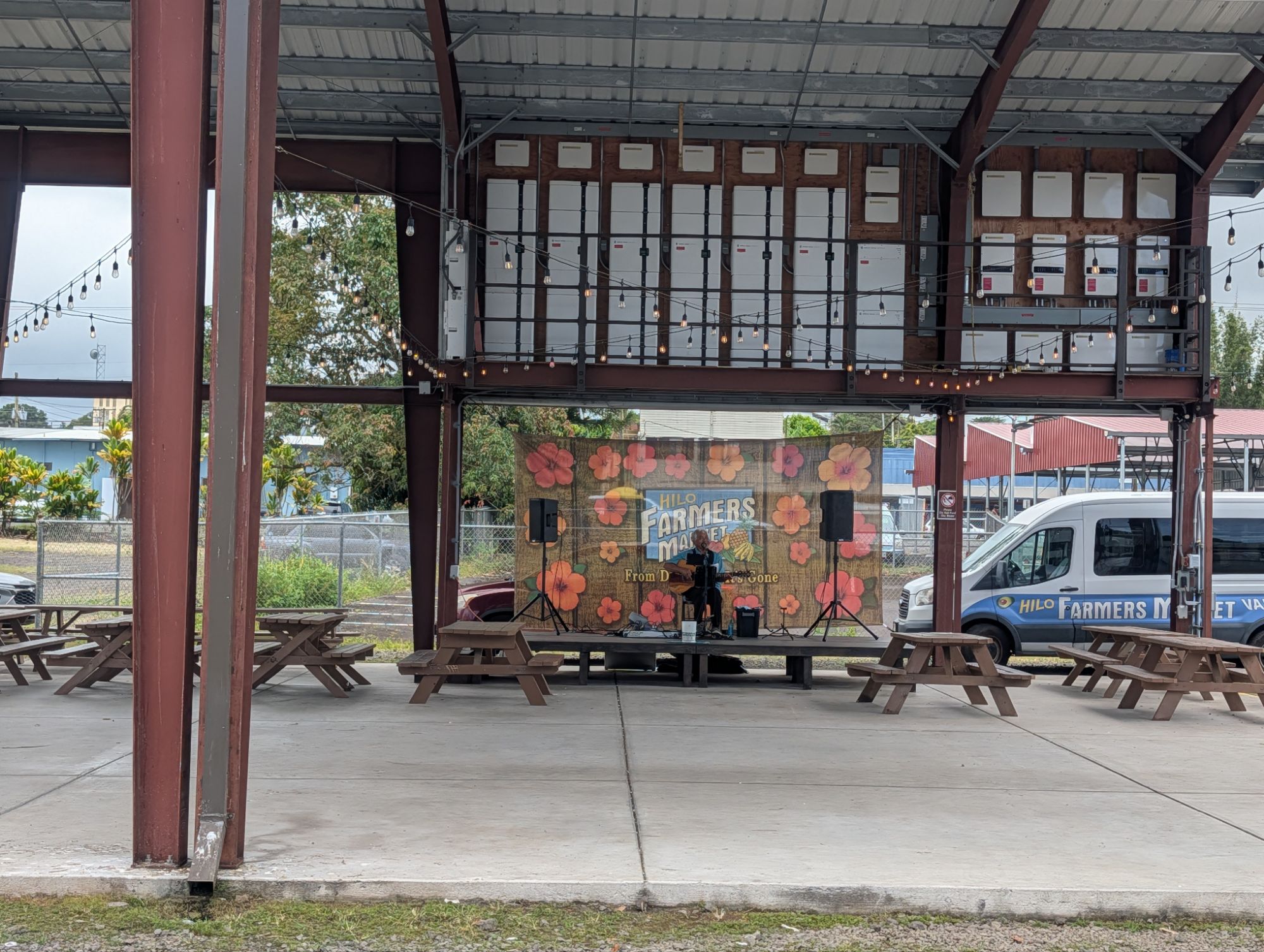
But it is a definite small town atmosphere with many very small shops, restaurants, cafes and pubs all with a surfer feel. A lot people rave about the Farmers Market which we checked out, but it was not as crowded as we expected it to be on a Friday morning.
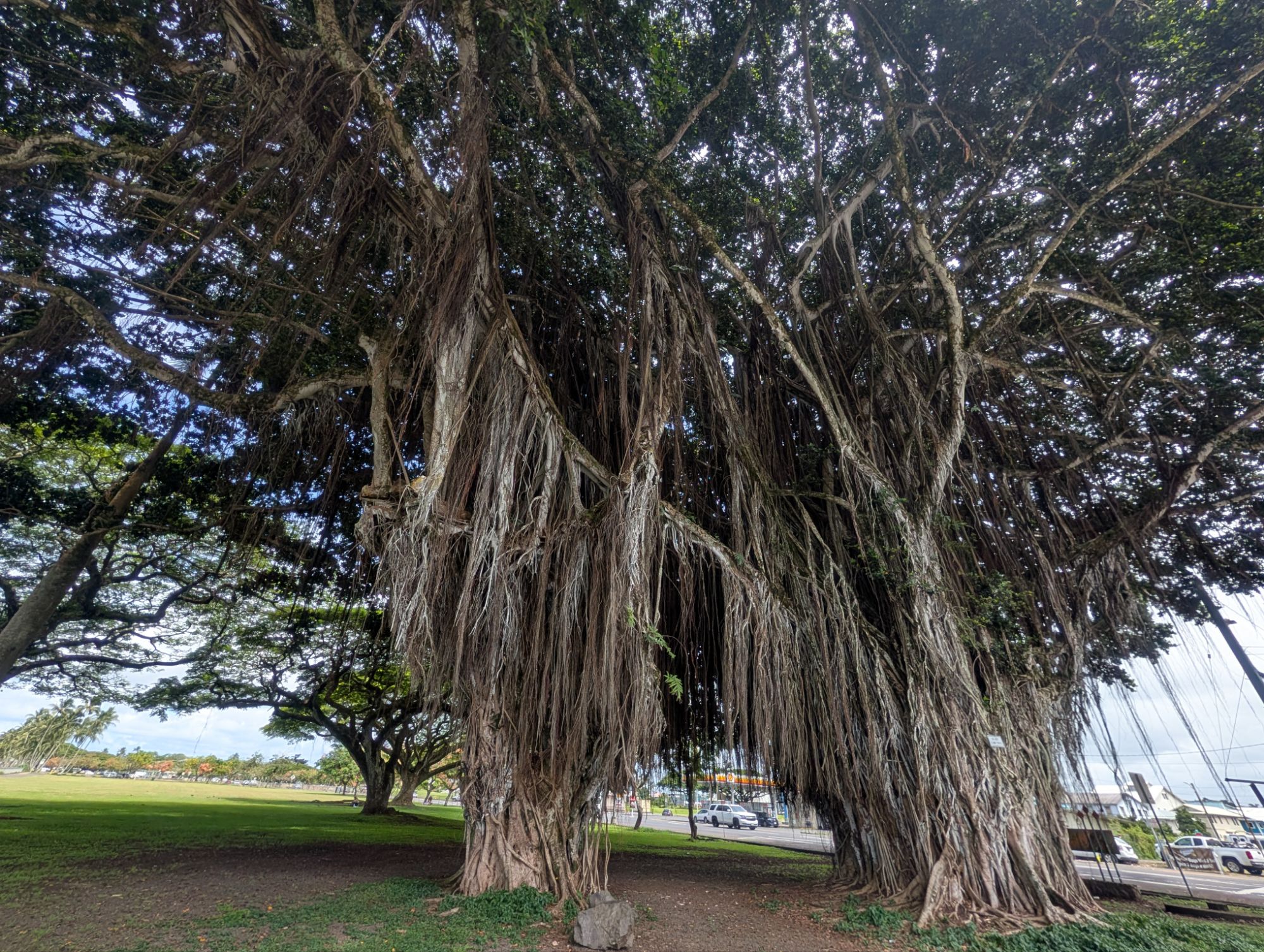
We love checking out the famous Banyan trees, but you do have to fight for some park, bench or sidewalk space with the plethora of homeless milling around.
But our AirBnB had a security guard so we did not need to worry about anyone coming up to our Lainai at night
I think his smile also scared away the local dogs too! 😉
One gem is Rainbow Falls which is only 10-15 minutes away from downtown and is only a 2 minute walk.
It takes longer to deal with the parking scam than it is to walk to the falls and take a photo.
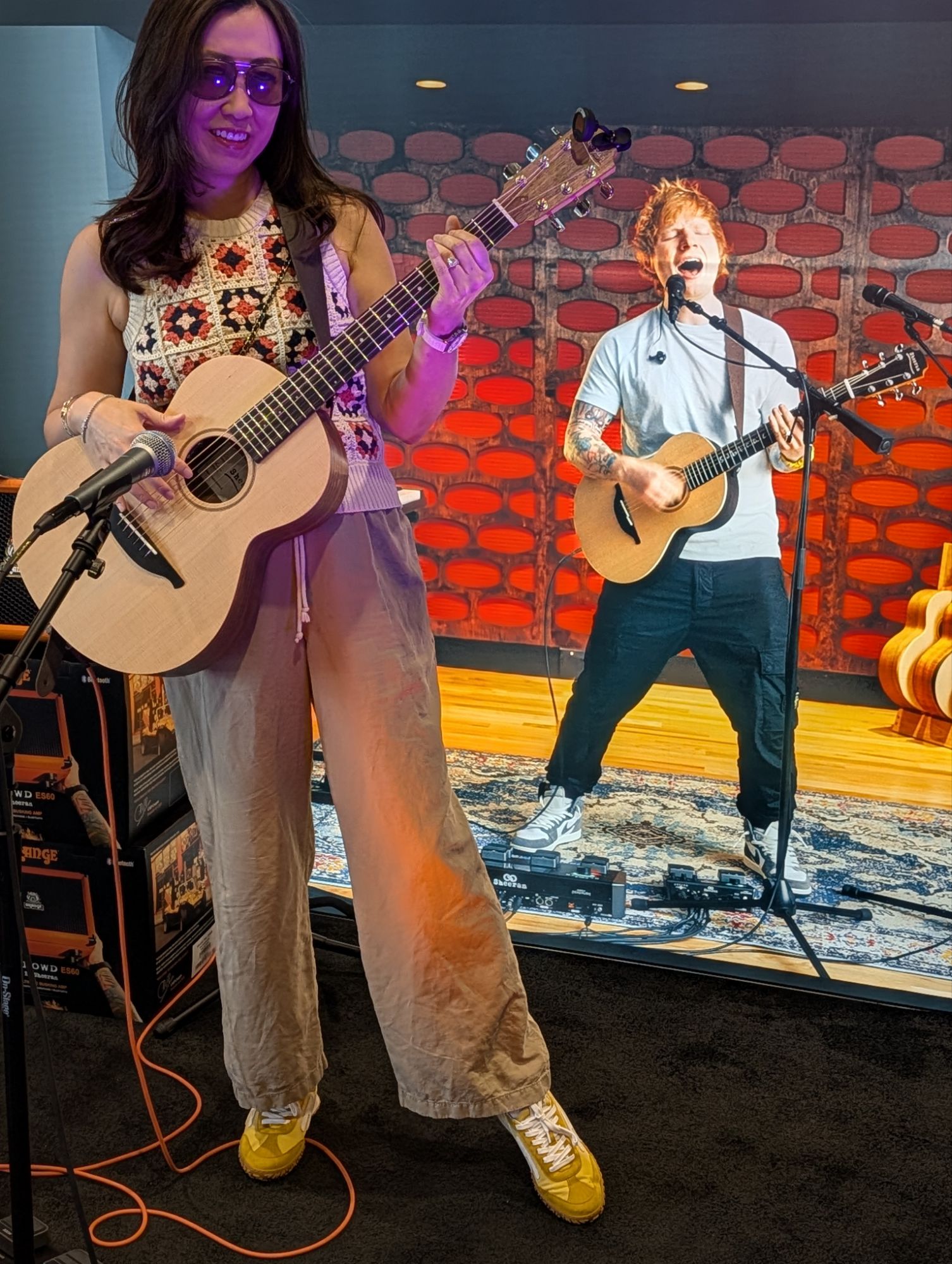
Why not start a vacation with a concert…and since Ed Sheeran was in town, why not check in with him and see how things are going?
It is pretty amazing in how he uses Loop pedals to make all the live music for every concert
The most amazing surprise was this automated bridge that extended and retracted so quickly when he wanted to move across the stadium.
He kept doing some unique routines and shared a lot of stories which were quite interesting to listen to. Nice trick of having everyone takes pictures with flash on – it almost felt like the Championship Game last year with the Seahawks and sitting in the exact same seats (as season ticket holders) 🙂
Overall, I would have to say that it was a PERFECT vacation kickoff and he sang a Perfect song for us 😉
It was a great concert but I must be honest and say that the Lady Gaga was the best concert this decade IMHO. Check out that Las Vegas show a few years ago: https://davidcrosstravels.com/2019/01/20/lady-gaga/
The Stadium with No Name: Our Amazing (and Hilariously Censored) World Cup Experience in Seattle!
We are still buzzing from an absolutely unforgettable matchday. We had the absolute privilege of heading into the heart of downtown Seattle to witness Belgium vs. Senegal in the Group Stage of the FIFA World Cup 2026.
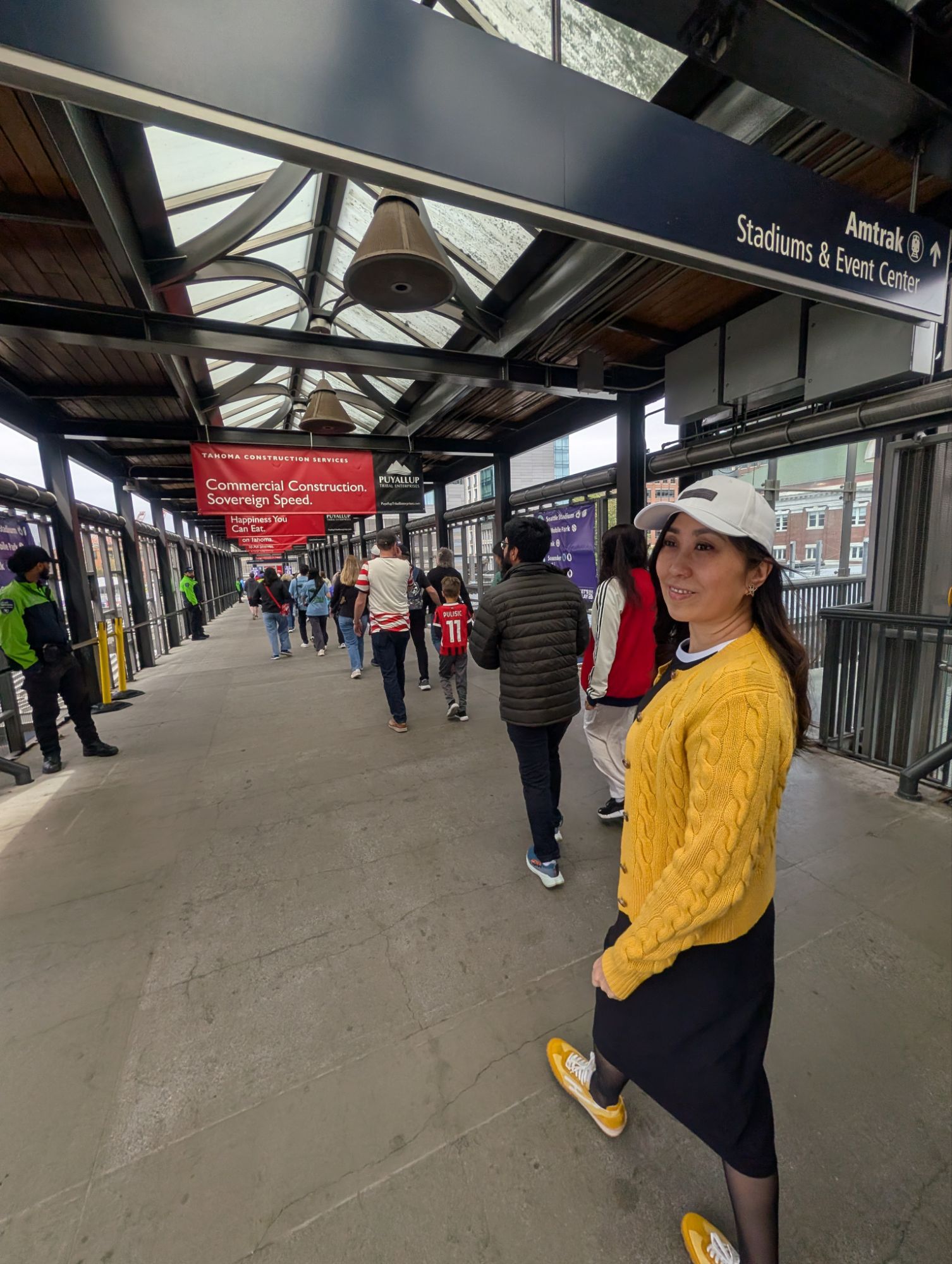
I must admit that FIFA organizes things very very well and it was so much fun experience end to end. Walking through all passages and gates was a piece of cake but let’s talk about the actual stadium!
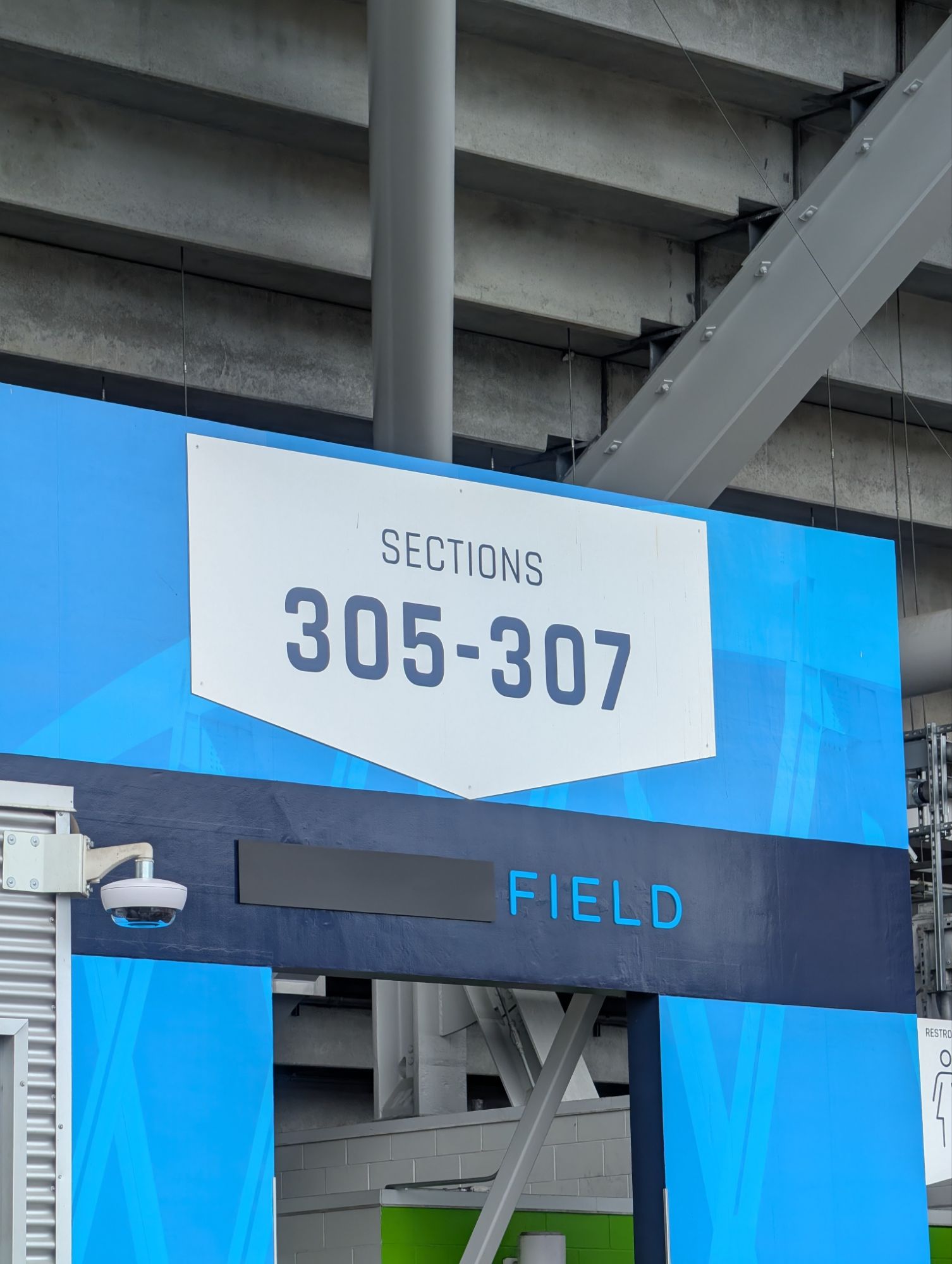
🤫 Welcome to [REDACTED] Field!
If you are a Seattle local, you know this stadium as Lumen Field. But if you walked within a mile of the venue on matchday, you might think the word “Lumen” was a cursed word from a fantasy novel.
Because of FIFA’s incredibly strict “Clean Stadium” policy, no non-FIFA sponsor branding is allowed to be visible anywhere near or inside the venues. Since Lumen isn’t an official World Cup partner, their name had to be completely scrubbed, taped over, or renamed to “Seattle Stadium” for the duration of the tournament.
Flawless Organization and World-Class Vibes
Sponsorship quirks aside, we have to give major props to the organizers. Getting tens of thousands of fans into a downtown stadium could easily be a nightmare, but the transit and entry lines moved like a well-oiled machine.
From the second we arrived, the energy was off the charts. Of course I had to get a beer in my souvenir World Cup glass…and it was only $20 for a can of beer! What a deal!
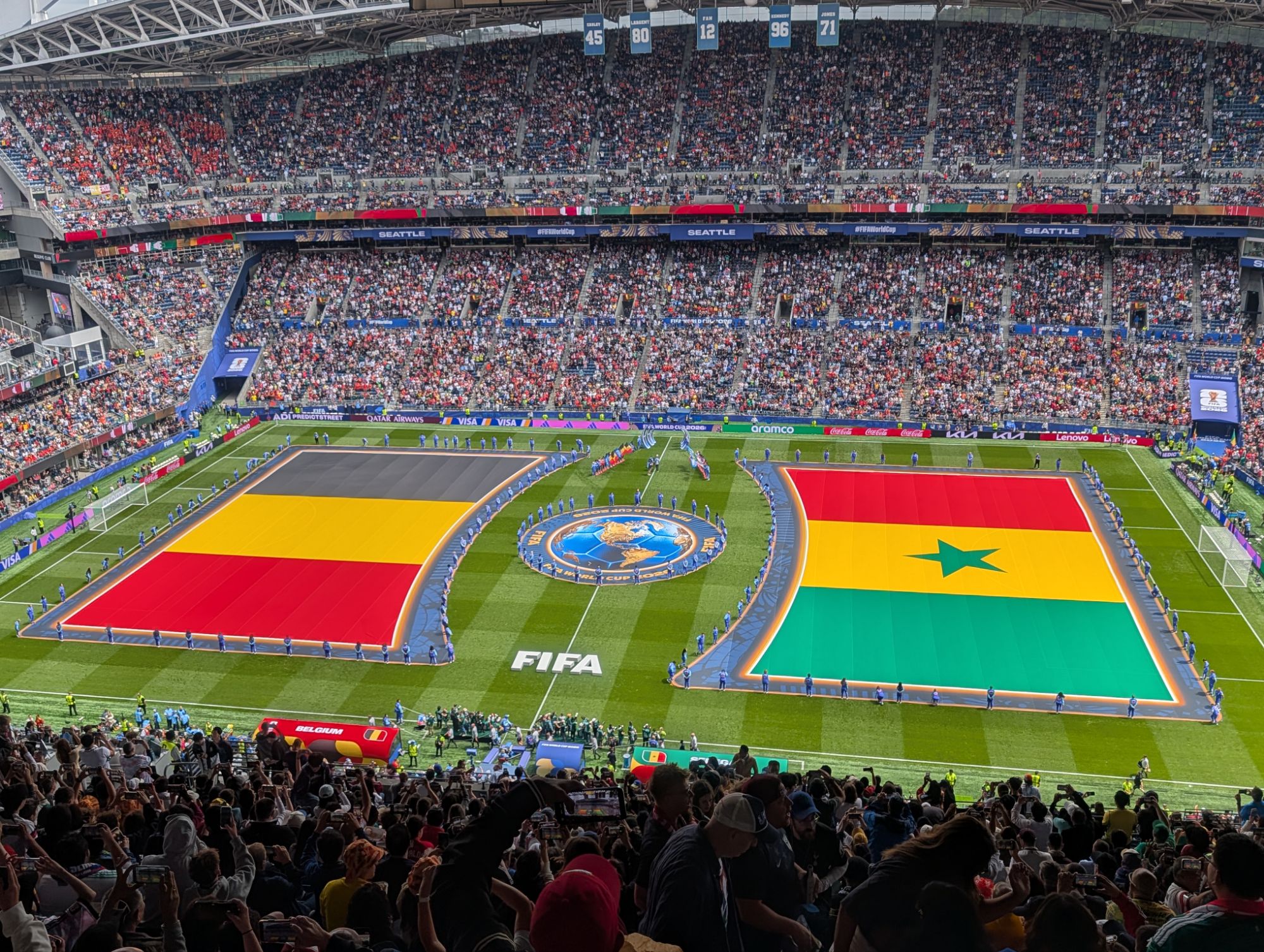
The Perfect View: Once we got to our seats, the view of the pitch framed by the Seattle skyline and the open roof was breathtaking. We grabbed our official World Cup souvenir cups (featuring the tournament’s official sponsors) and watched the stadium fill up.
The Ceremony: There is nothing quite like the pre-match ceremony. Seeing the massive flags of Belgium and Senegal unrolled across the pristine grass, surrounded by a roaring crowd, gave us absolute goosebumps.
Senegal Brought the Magic
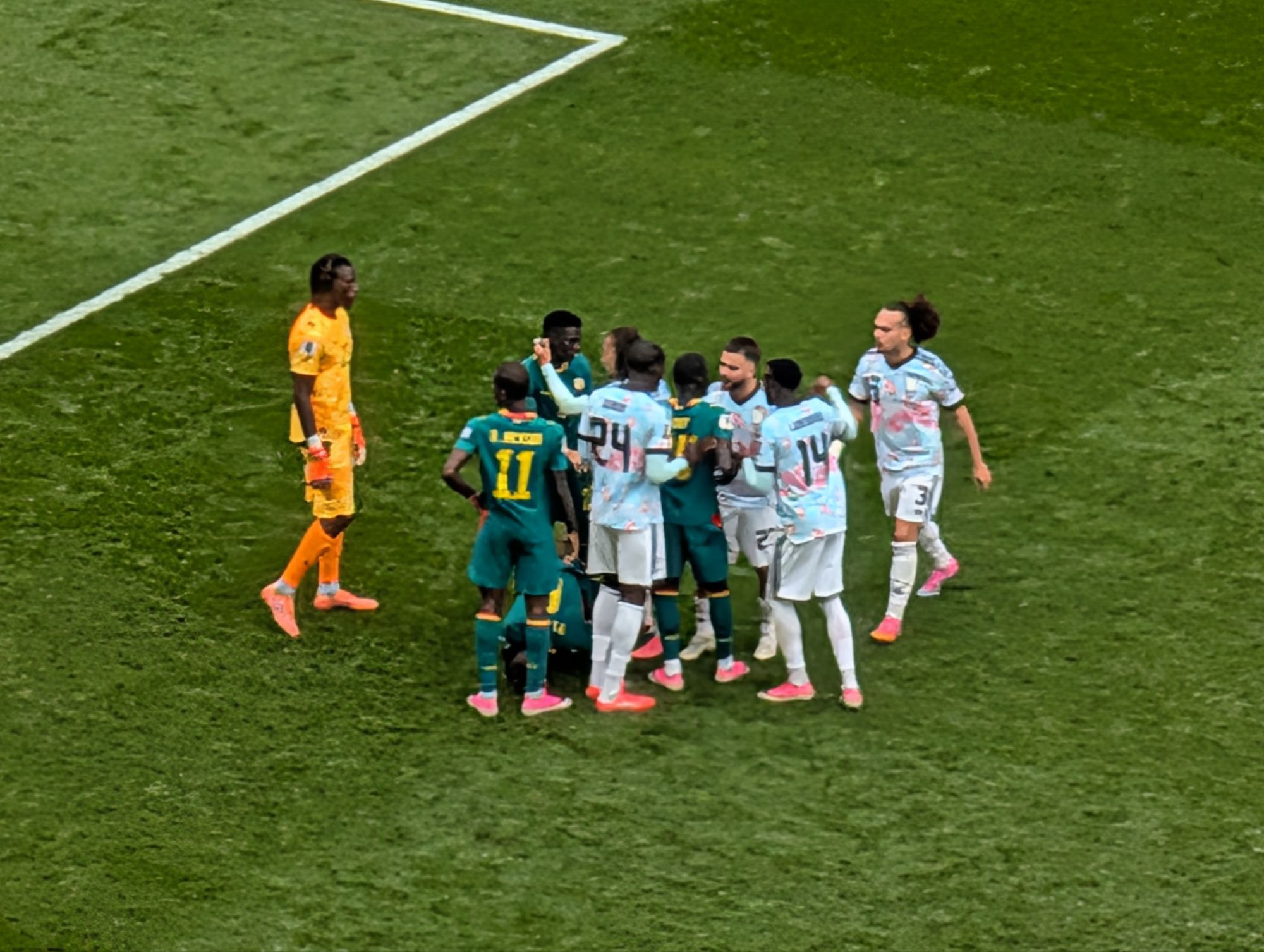
It was a tough game to say the least. Things got a little and you have to love that everywhere in the stadium is a great seat especially when you have the great Pixel 10 XL phone to take pictures!
The game itself was a masterclass in global soccer culture. I must admit the crowd was strongly supportive of Senegal compared to Belgium. But it was definitely a slice of the entire world from people from everywhere and it was so much fun being part of it.
We Have a Runner!
Of course we had the highlight of runners getting onto the field and this might have been the first time it’s ever been performed at the World Cup in the United States!
I do have to admit we’re starting to get disappointed and saying that Belgium was going to get creamed in this one. But at the end the excitement grew and what an exciting ending to be part of.
and of course the final winning goal from Belgium at the end!
Yes, you can tell how excited we all were with this goal 🙂
Mysore is a very long drive away from the high tech center in Bangalore India that many in the high tech industry visit. But if you plan it out and take a day off you can actually visit an amazing historical site in India when visiting for a business trip.
Now along the way, you can take a few shots of Ramadevara Betta which is a massive pop-culture landmark in India. It is a very popular movie site and international rock-climbing hotspot.
Most of the travel time is along the highway and Mysore is actually not that crowded with traffic, but once it gets later in the day, the traffic gets a little bad in the city,
Yes it is a popular spot and it looks like it has huge lines but believe it or not you get in quite fast. It is recommended to get a local guide to your way through all the lines and understand all the history.
First built as a wooden fortress in the 14th century, the palace served as the proud seat of the ruling Wodeyar dynasty for centuries. Tragically, a massive fire completely destroyed the original structure during a royal wedding celebration in 1897. Undeterred, the royal family commissioned British architect Henry Irwin to rebuild it that has turned into one of the most popular museums for locals and tourists.
This is one of the many temples around the gardens and the overall acreage which was quite impressive.
This was Ambavilasa, or the King’s Grand Durbar Hall. This hall was where the Maharaja held private audiences.
To truly understand the scale of the Wodeyar dynasty’s grand vision, you have to look at it from above. Standing on the upper balcony of the Mysore Palace, you are occupying the exact vantage point where the Maharajas once stood to address thousands of their subjects gathered in the public square below.
Looking out across the sprawling, perfectly symmetrical gardens and out toward the sacred Chamundi Hills on the horizon, the view is nothing short of hypnotic.
As mentioned before, as you walk around the grand hall, you get See Paintings of the Very Long Processions and Elements of the Parade that occur every year annually for nine days in October. The Vanguard and the Royal Guard
The Crimson and Gold Sea: Majestic “Nishane” elephants and stoic camels lead the way, clearing paths through the packed streets. They are followed by perfectly synchronized regiments of infantry, horse cavalry, and the mounted police band.
These are just some of the royalty chairs and not the giant golden chair that is disassembled and protected because it is made of solid gold I heard it was like a hundred and 20kg of solid gold!
This was a view of the great hall which you walk around to see the annual parade paintings is the Kalyana Mandapa (Marriage Hall). The ceiling is a kaleidoscope of stained glass, intricately patterned with peacocks, floral designs, and geometric shapes. The surrounding walls feature vivid oil paintings depicting the famous Mysore Dasara festival procession. The Kalyana Mandapa is a celebration of life, love, and artistic mastery.
I think this is where the King (and a member of the Parliament) currently lives and is their private entrance in the palace.
and for us public folk, there are only bathrooms at the exit to the grounds, and you have to just giggle and the translations sometimes 🙂
If interested, here are some my other explorations throughout India:
I know I was a little overdue for a blog, so when I got a short break on a business trip, of course I took the opportunity to explore!
Today, I got to check out a little history just outside of Mysuru In India that is south of Bangalore. You can check out that post here if interested.
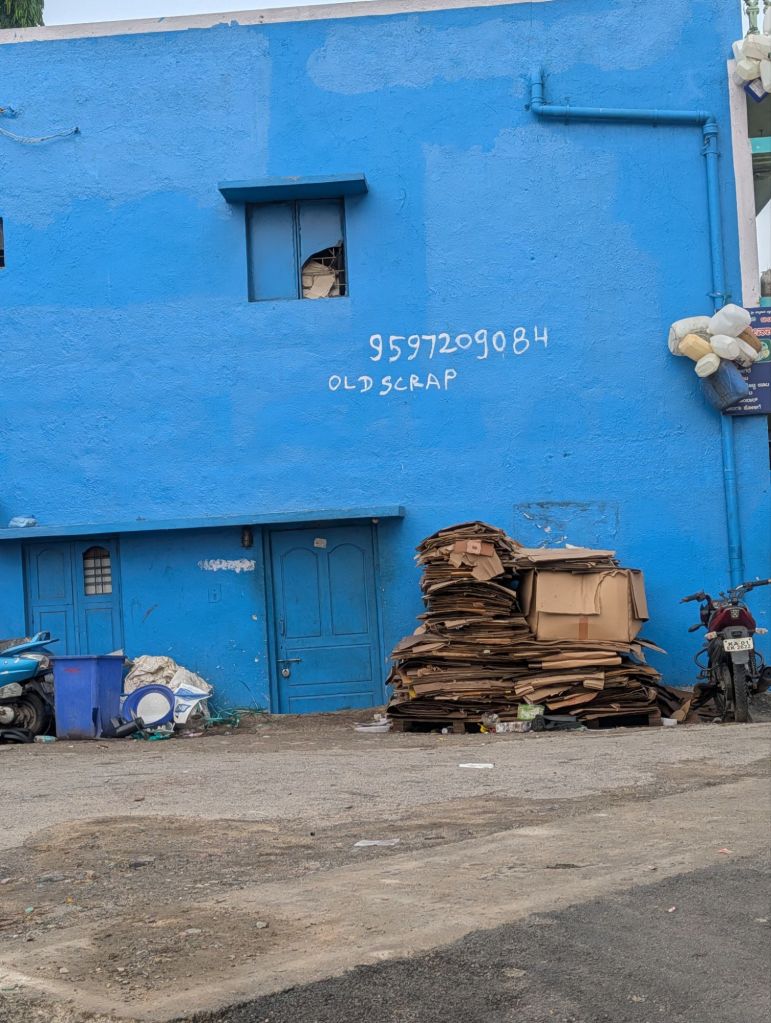
On the drive south, I passed through some vibrant local streets. I always get a kick out of the everyday sights along the way…It’s those little real-world quirks that make the journey just as fun as the destination.
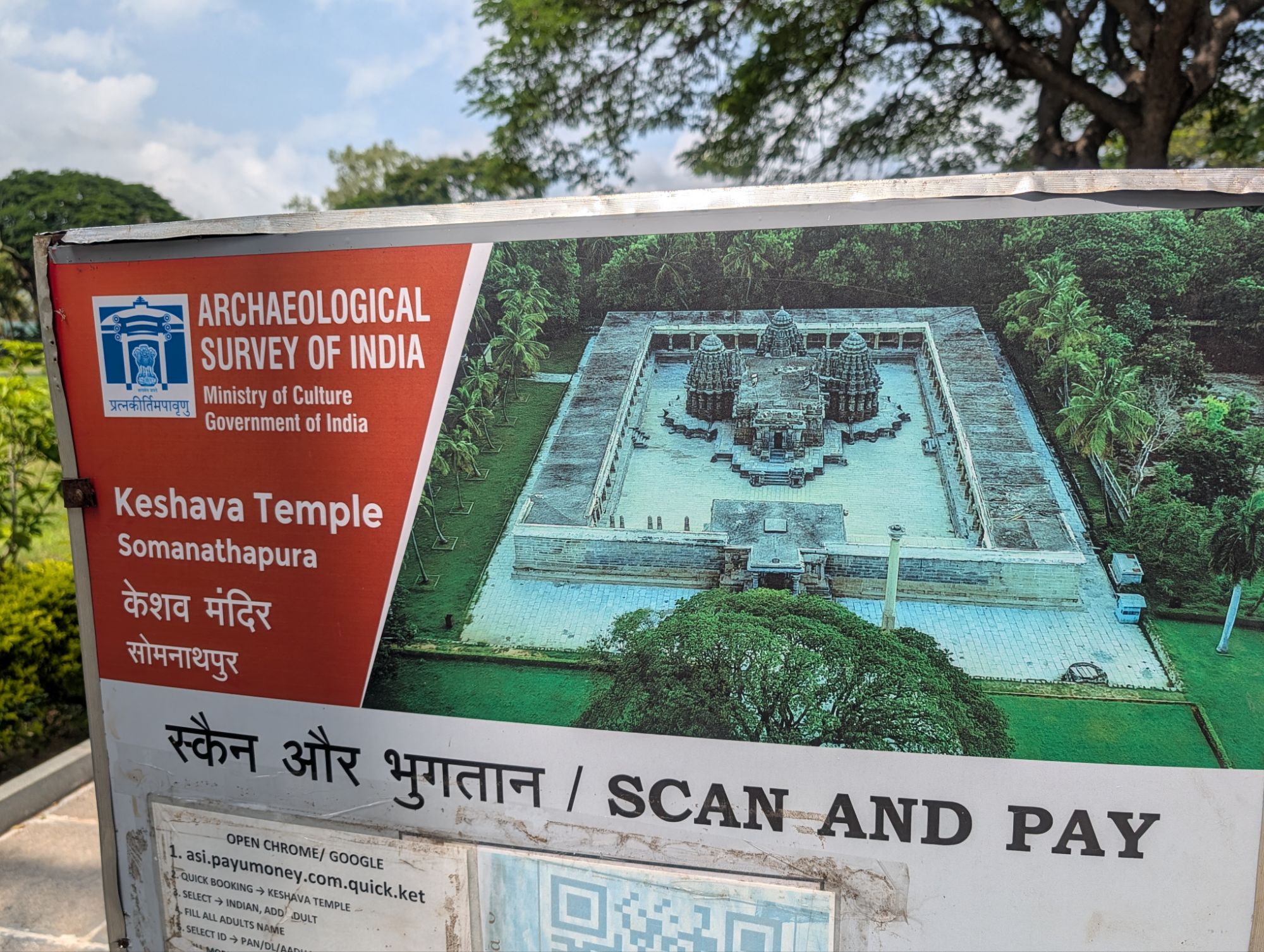
After about 3 hours of driving…we headed straight for the Chennakesava Temple, Somanathapura. It’s a magnificent heritage site managed by the Archaeological Survey of India (ASI) and the Ministry of Culture.
They actually have a very modern, convenient “Scan and Pay” QR code system set up right on the entrance sign to buy your entry tickets digitally.
The Chennakesava Temple at Somanathapura is an architectural masterpiece of the Hoysala Empire. Completed in 1268 CE under King Narasimha III, this trikuta (three-shrine) temple is a quintessential example of stellar or star-shaped temple planning. It holds monumental importance in Indian history because it represents the absolute zenith of Hoysala craftsmanship before the empire’s decline, surviving centuries of regional conflicts with its breathtaking, razor-sharp soapstone carvings largely intact. Culturally, the temple acts as a stone canvas illustrating ancient Indian life, showcasing thousands of microscopic friezes that depict scenes from the Ramayana, Mahabharata, and Bhagavata Purana. Recognizing its unparalleled historical and artistic significance, UNESCO inscribed it as a World Heritage Site in 2023 under the “Sacred Ensembles of the Hoysalas”.
The Navaranga: 9 Cosmic Points & Ancient Astronomy
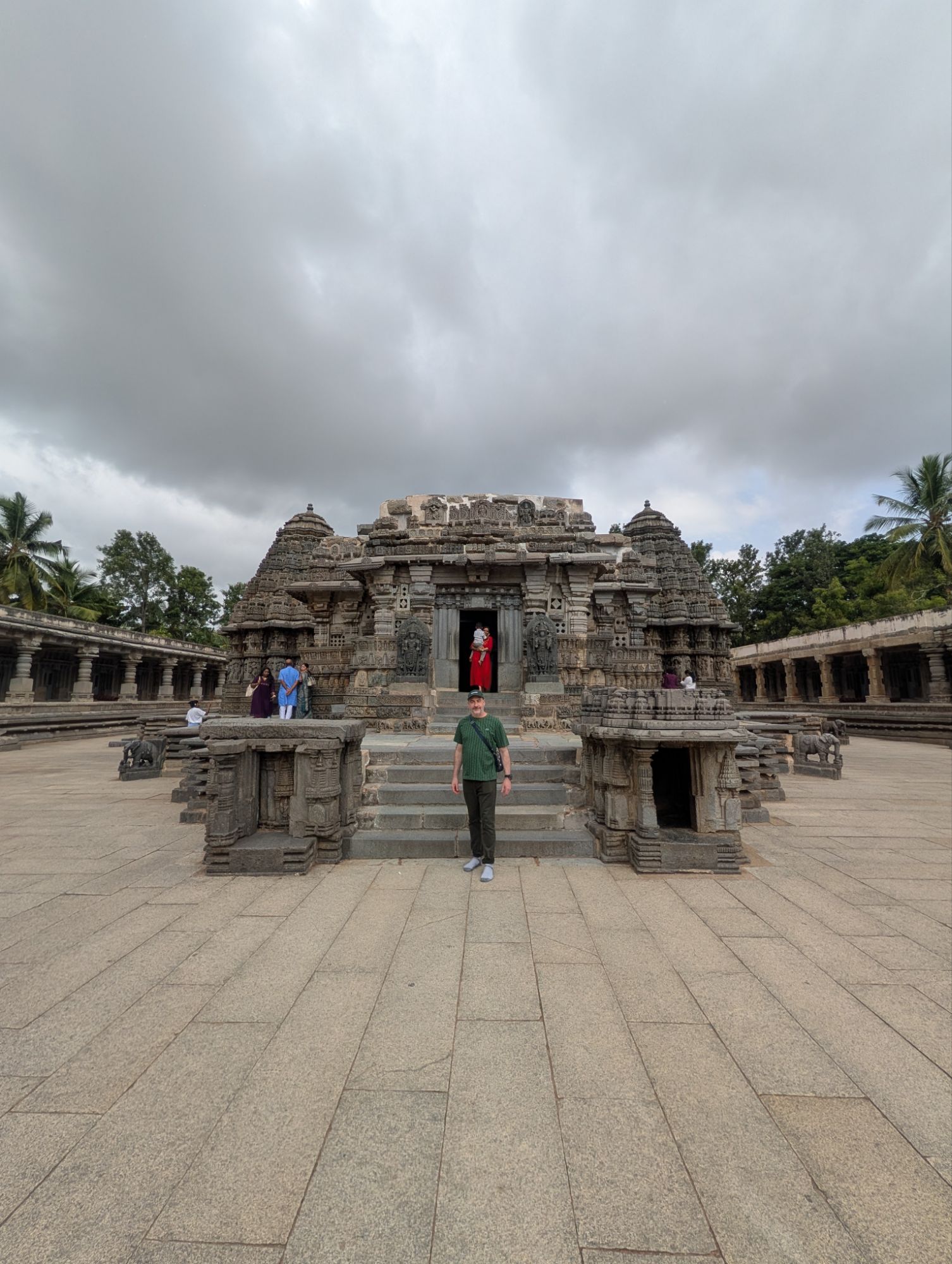
The temple courtyard itself is absolutely stunning. I made sure to grab a quick picture standing on the stone steps leading up to the main structure, which sits on a sprawling, elevated star-shaped platform.
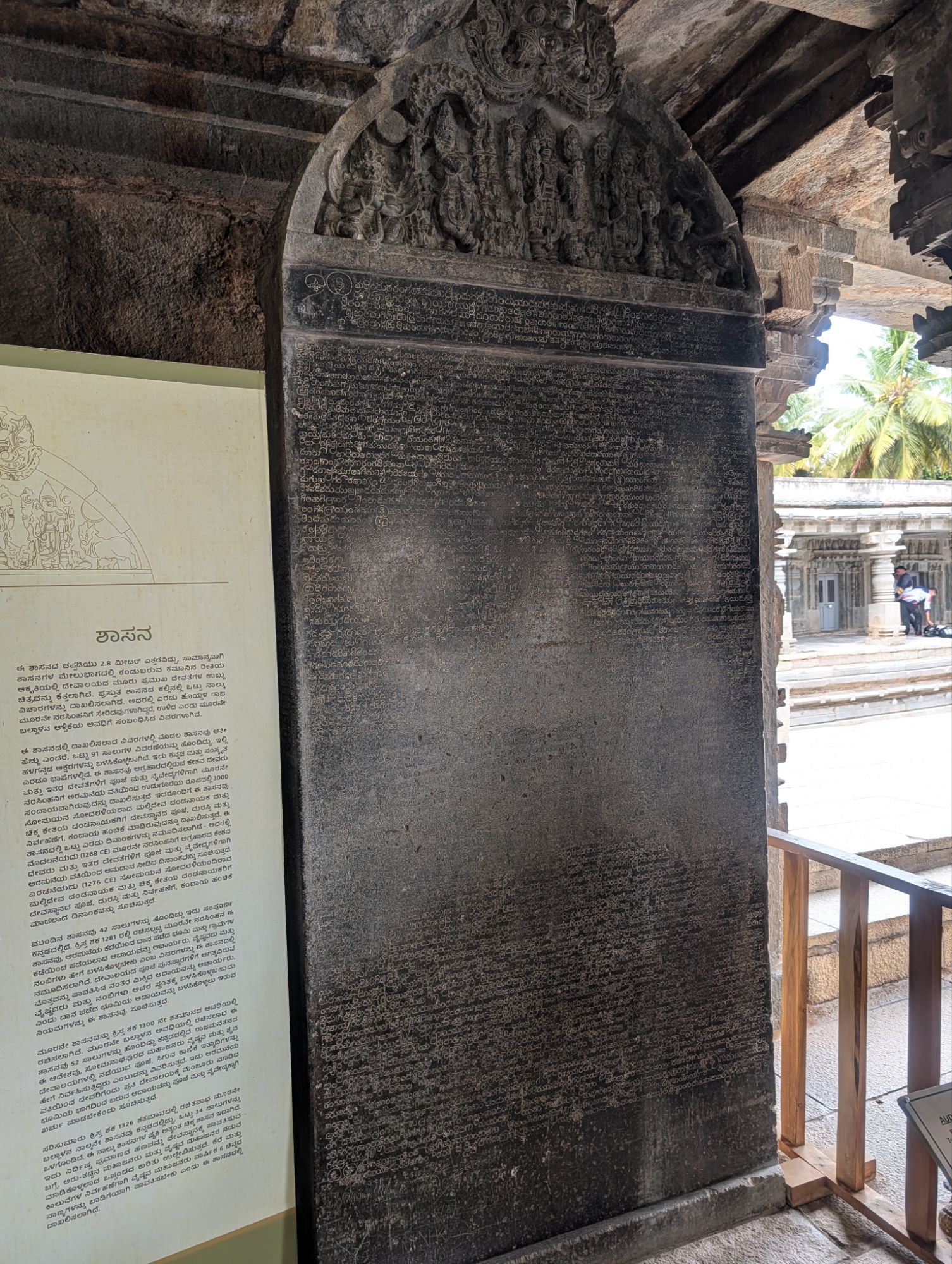
Right as you pass through the main entrance pavilion, one of the first major artifacts you notice is a massive, dark stone slab protected by a glass pane, covered top-to-bottom in ancient inscribed script.
The Temple’s “Birth Certificate”: Written in Halegannada (Old Kannada), this slab preserves the exact timeline of the site. It records that construction was completed in 1268 CE under the Hoysala Empire.
The General’s Legacy: It reveals that the temple was built by Somanatha Dandanayaka, an illustrious high-ranking military general serving under King Narasimha III. Somanatha established a dedicated religious village (an agrahara) here and named the town Somanathapura after himself.
An Ancient Legal Ledger: The text details the specific land grants, tax exemptions, and financial resources allocated to ensure the temple’s perpetual maintenance and operation.
Artistic Previews: The arched top of the slab features beautiful miniature relief carvings of Keshava, Janardhana, and Venugopala—the three distinct forms of Lord Vishnu housed within the inner shrines.
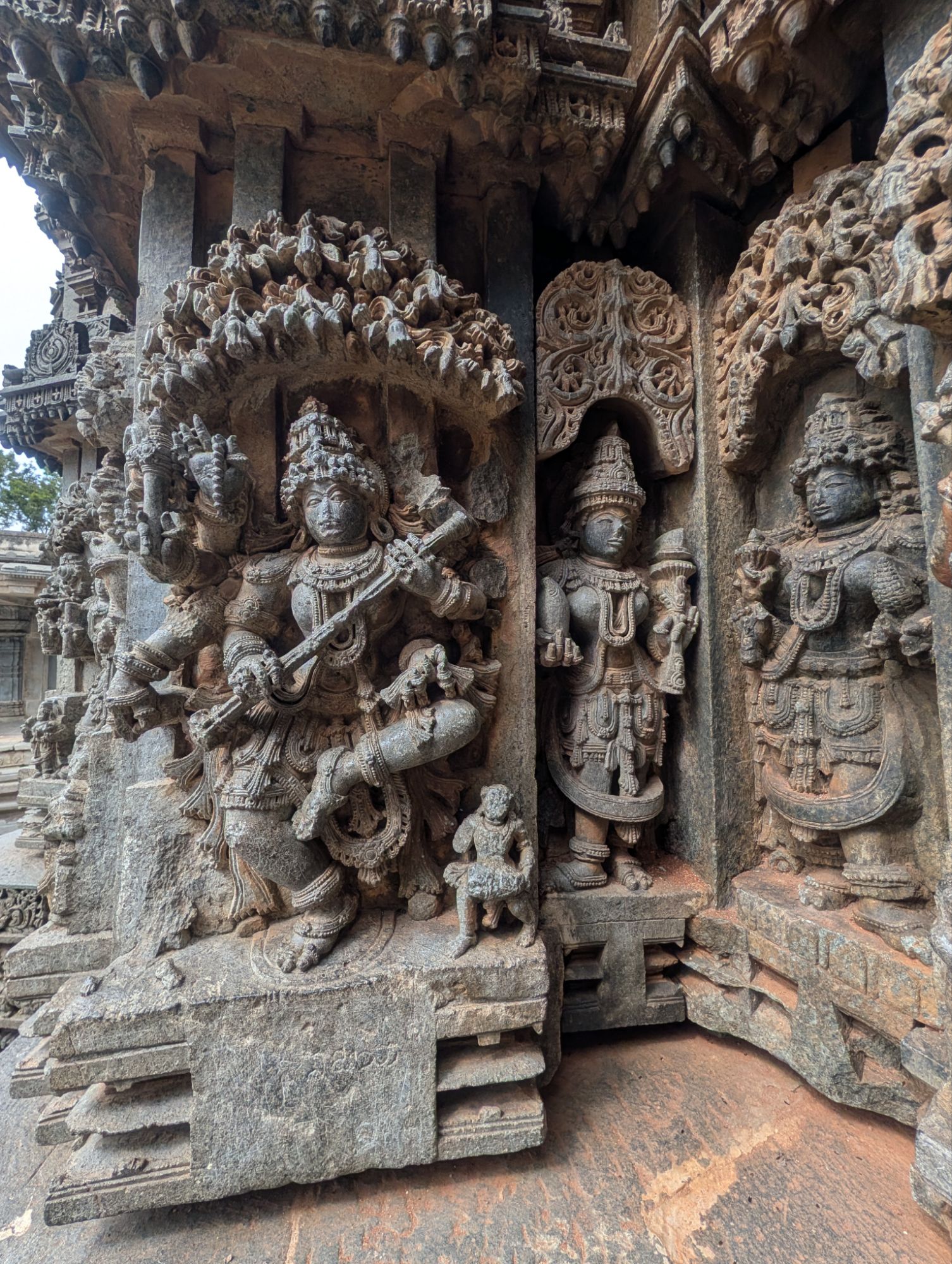
This was Goddess Saraswati, the Hindu deity of wisdom, knowledge, arts, and music.
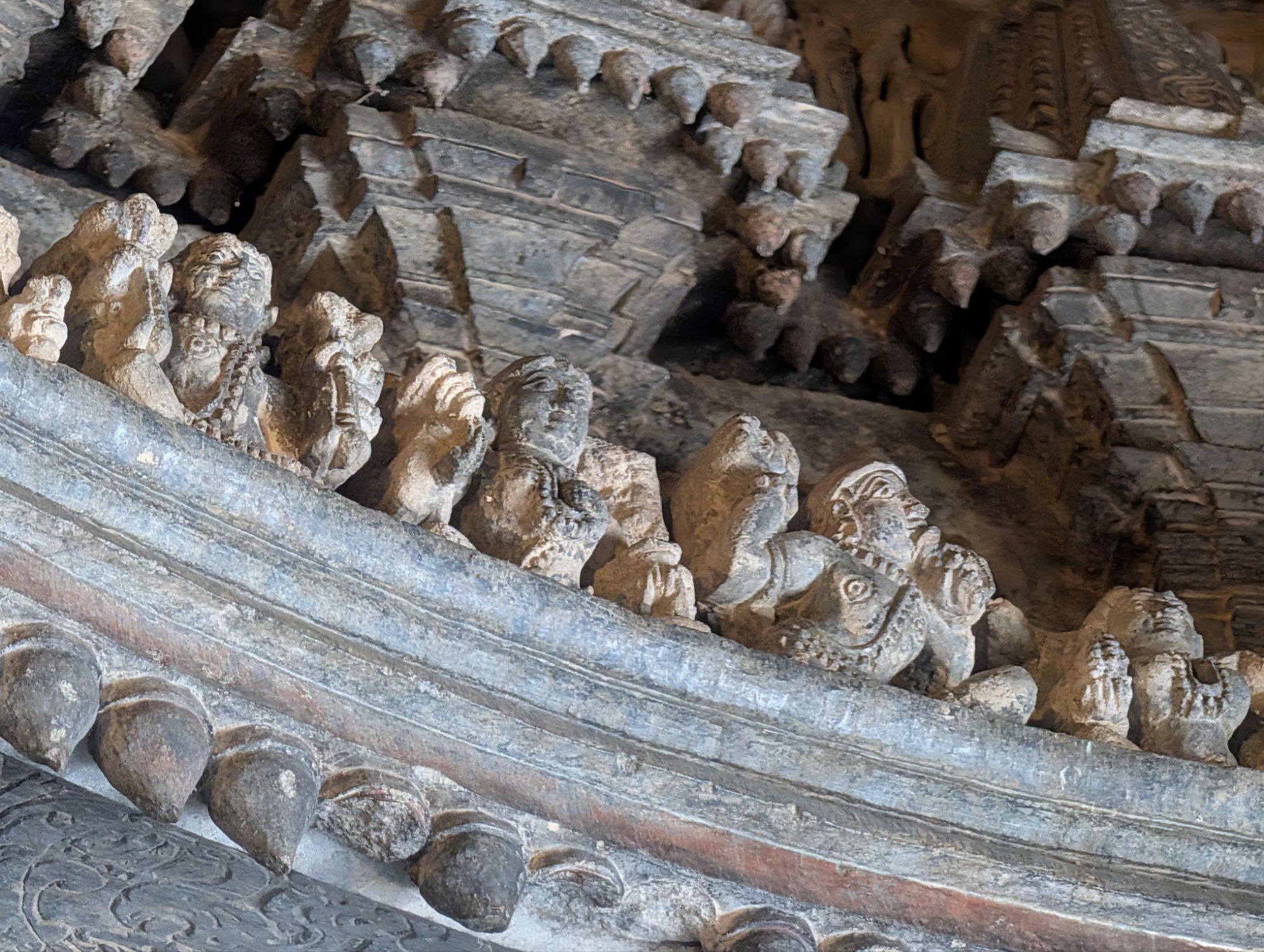
In Hoysala masonry, the exterior walls are built with stacked, thematic bands. While the lower bands depict ground-level concepts (elephants for strength, horses for speed, lions for courage, and epics for human culture), the higher bands right below the roof shift to celestial themes, featuring these heavenly attendants, deities, and miniature towers (shikharas).
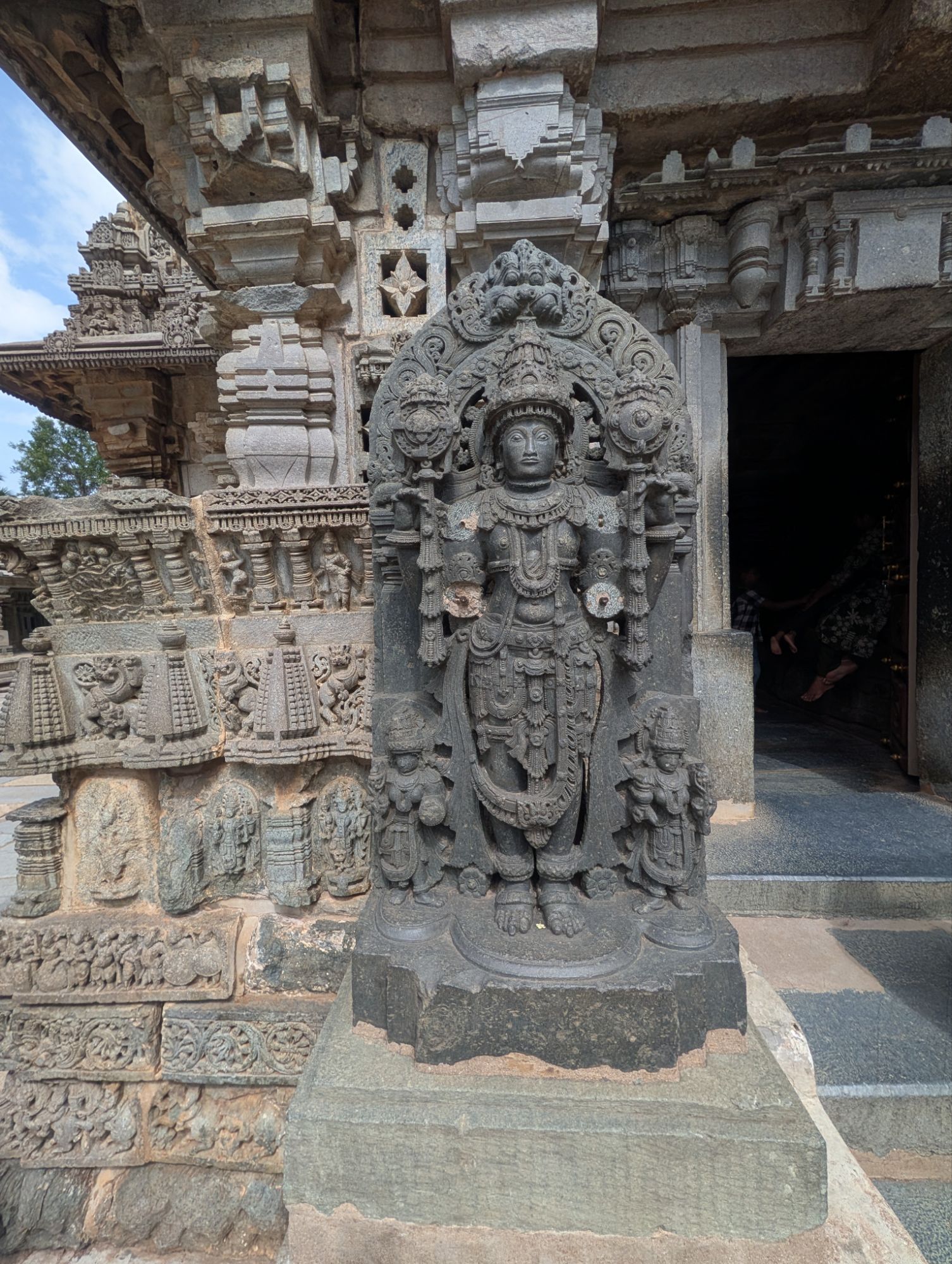
This was at the entrance of the temple
Because the temple was dedicated to Lord Vishnu, its gatekeepers are Vishnu’s divine guardians, Jaya and Vijaya. At the base of the guardian stand two smaller attendant figures. These are Vishnu’s primary consorts, Goddess Lakshmi (deity of wealth and prosperity) and Goddess Bhudevi (the earth goddess), flanking the doorway to welcome devotees.
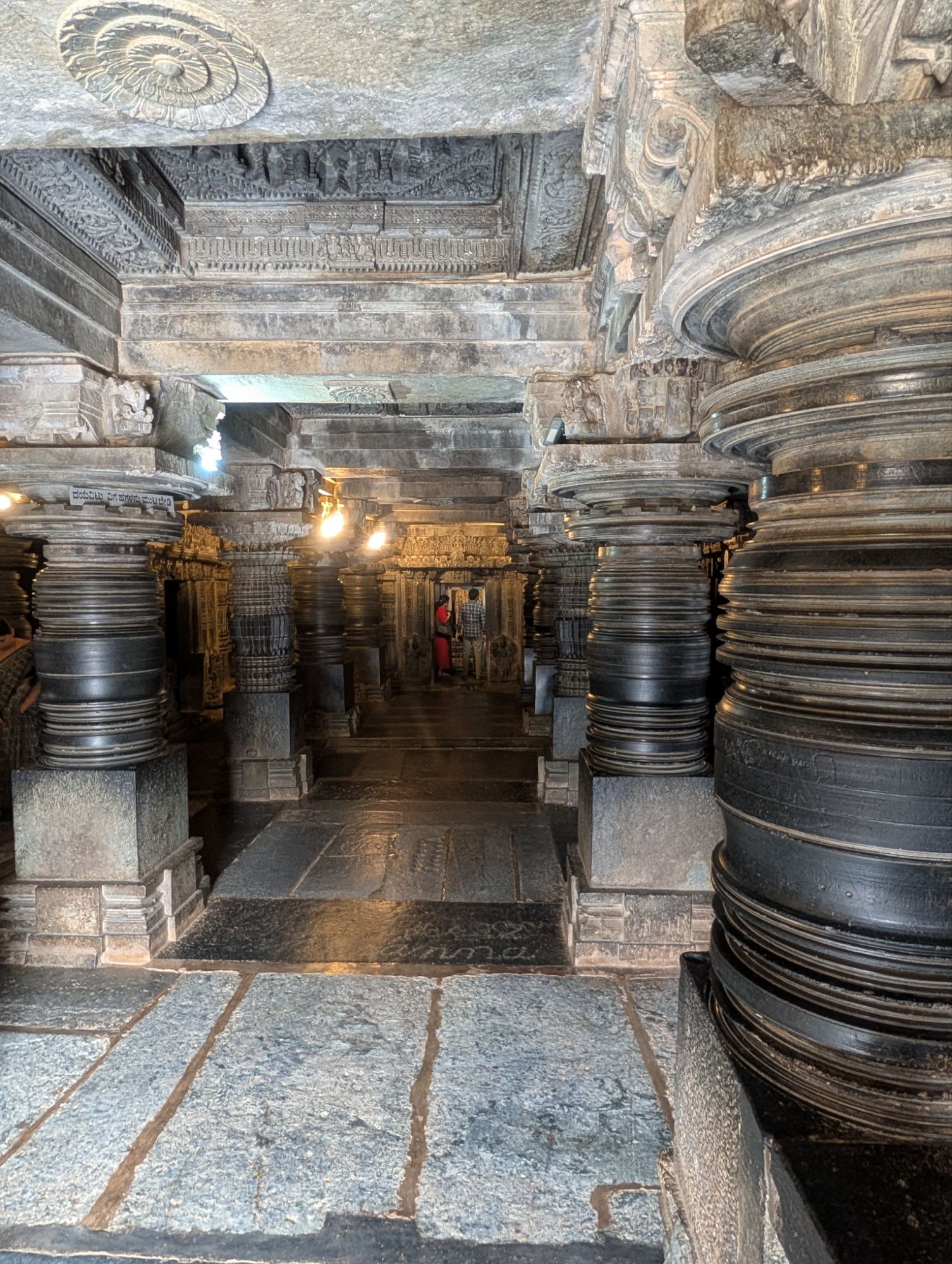
Once you step inside the temple, the atmosphere shifts completely. The dimly lit interior congregation hall is known as the Navaranga.
The 9-Fold Matrix: “Navaranga” literally translates to nine squares or sectors. Ancient architects designed this central hall using a perfect 9-fold square grid layout dictated by traditional Vastu Shastra texts.
This 9-point layout is structurally and symbolically tied directly to the Navagraha—the nine celestial bodies or “planets” recognized in ancient Indian cosmology (the Sun, Moon, Mars, Mercury, Jupiter, Venus, Saturn, and the two lunar nodes, Rahu and Ketu).
What is completely mind-blowing here is the historical timeline. Long before Western astronomers like Galileo Galilei popularized heliocentrism, pointed telescopes at the night sky, or published his celestial observations in the early 1600s, ancient Indian sages had already mathematically mapped out these nine cosmic entities. They understood their movements so deeply that they integrated them into the physical, geometric layout of temple ceilings and floor plans back in the 1200s!
And the exterior details? Just out of this world. The walls are wrapped in highly intricate, three-dimensional carvings of deities adorned with heavy jewelry, towering headdresses, and musical instruments. Even the upper ledges feature tightly packed rows of tiny, perfectly sculpted figures. Right outside the entrance doorway, an incredibly detailed standing sculpture greets you before you step across the large stone floor panels.
Check out some of my other India travels over the years:
Whether you’ve been following the journey since the early days or you just stumbled onto the blog while planning your next getaway, I wanted to take a moment to look back at some of standard-setting adventures that have captured your eyes, clicks, and comments recently.
From the red rocks of the American Southwest to historic streets across the Atlantic, we’ve covered a lot of ground. If you missed any of these reader favorites, now is the perfect time to catch up!
Here are the top-trending stories on the blog right now that you absolutely need to check out:
🚗 The Ultimate American Road Trip
When flights from Seattle to Phoenix got a bit too pricey, we did what any good travel lover does: pivoted! We flew into Vegas, grabbed a Volkswagen Atlas, and hit the open road. From navigating the secret entrances of hidden canyons to having Horseshoe Bend entirely to ourselves, this journey through Arizona was unforgettable.
Everyone raves about Sedona, so we finally had to see it for ourselves. Between the steep, winding roads, the striking sunset colors, and the undeniable presence of “mystic crystal” energy, it definitely left an impression. We even found a local medicine wheel and hiked an old wagon trail.
I was fortunate enough to head back to Spain recently to present at a conference, and of course, I had to take some time to explore the city. From the moment you land at their incredibly fashionable airport to wandering the historic streets, Barcelona never fails to deliver.
Ever stayed in a hotel that used to be the exact bank where the phrase “Stockholm Syndrome” was coined? We did! Beyond the quirky history of our accommodations, exploring Sweden’s stunning architecture, churches, and island-connected layout was an absolute highlight of our European travels.
Travel isn’t just about the destination; it’s about how you get there. Lately, we’ve been putting premium transit options to the test. If you’re planning a big trip soon, you won’t want to miss our honest breakdowns of the flying experience.
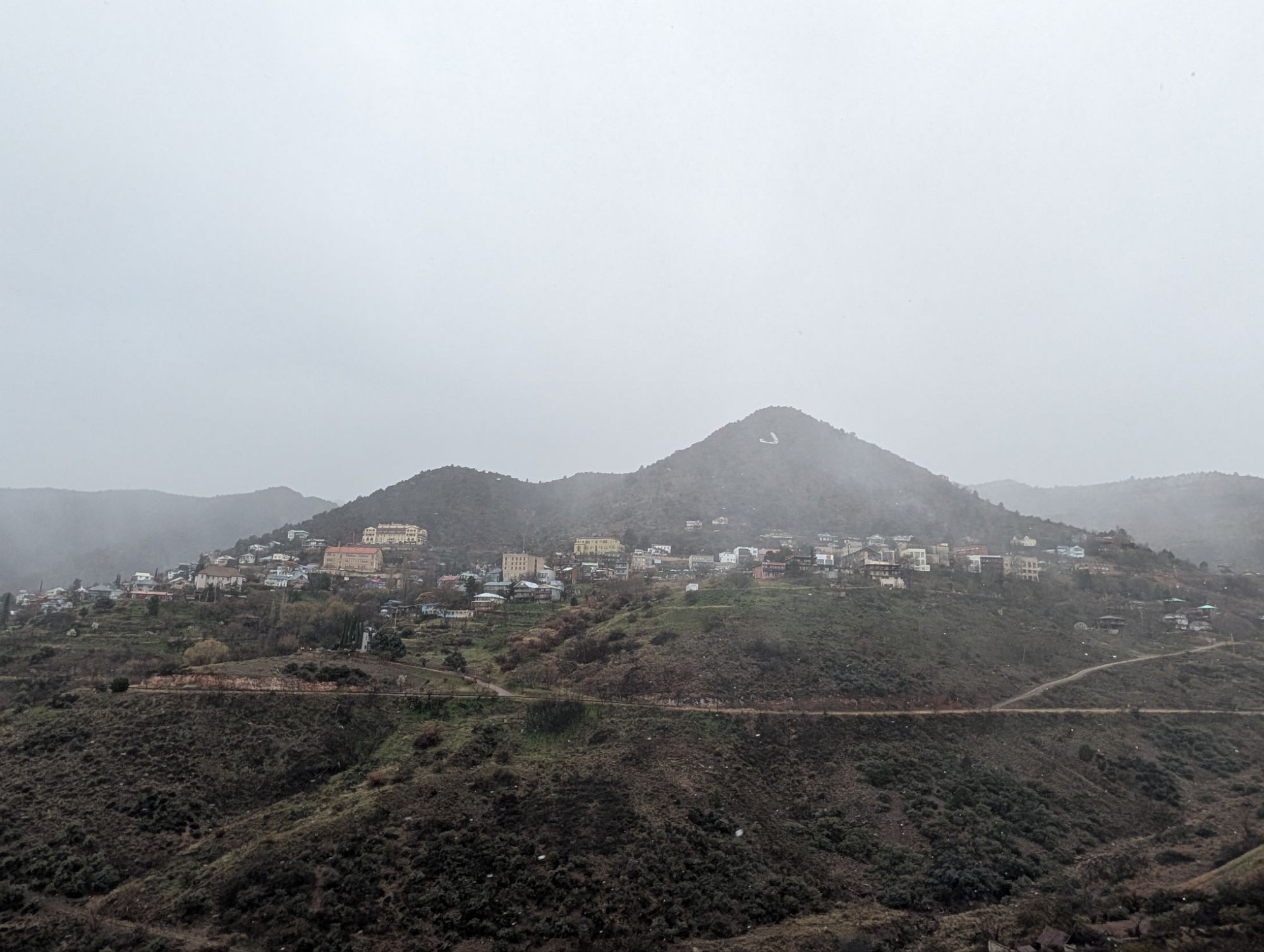
When we started get some bad weather of rain and snow in Sedona we decided to escape and explore a not too distant mining town here in Arizona.
Jerome (city) in Arizona it’s known for its copper mines and a lot of in that overall topic.
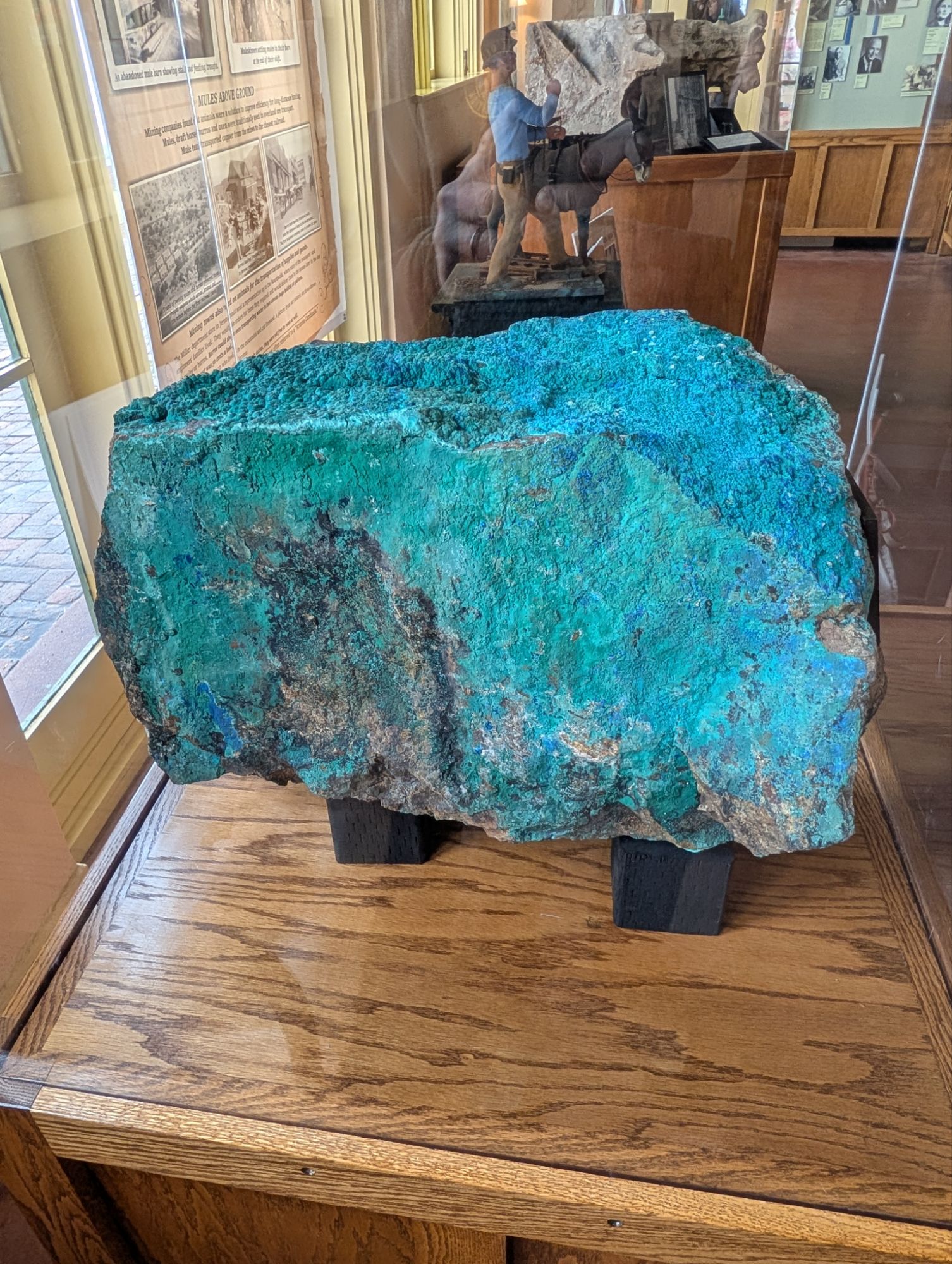
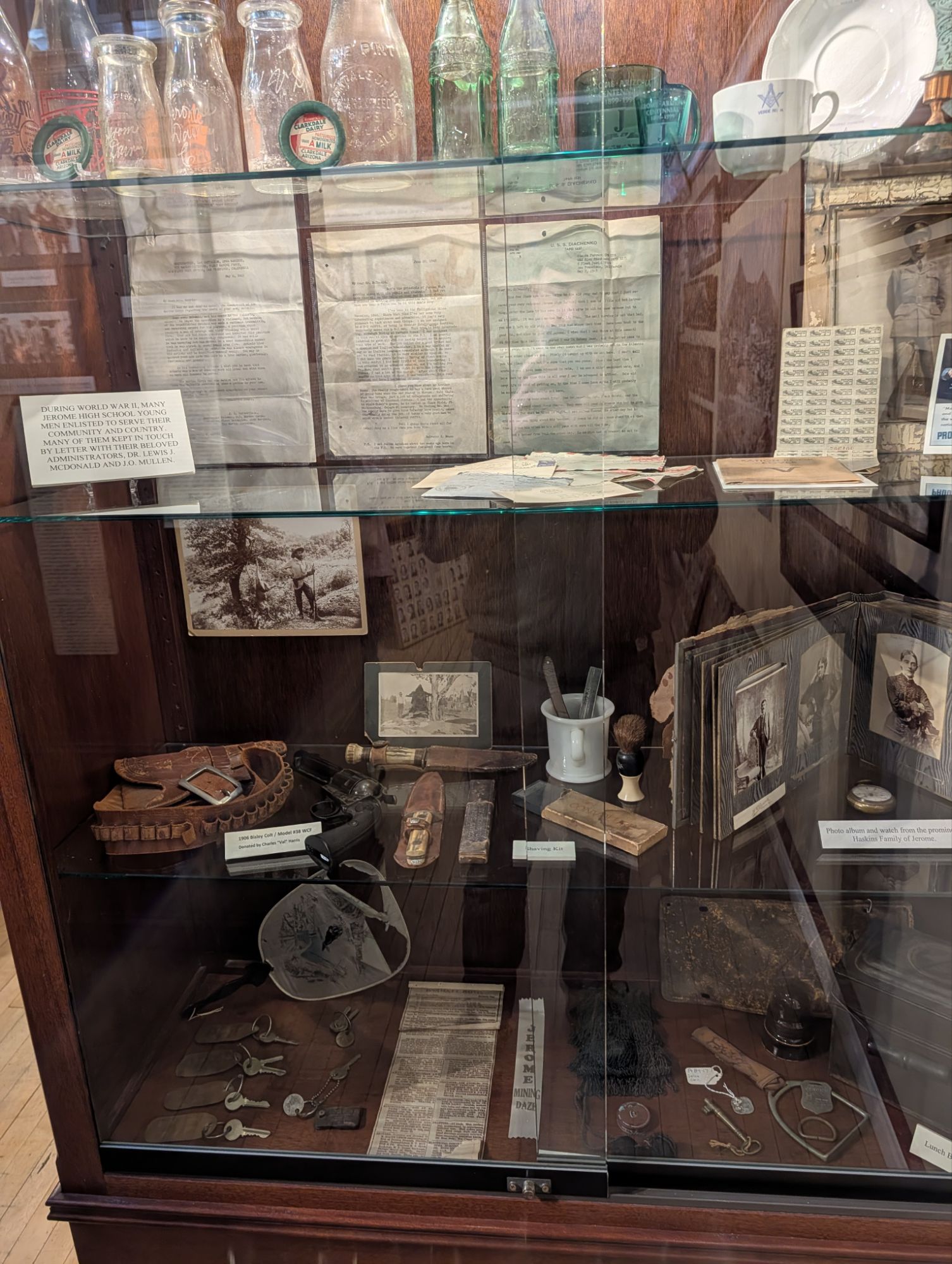
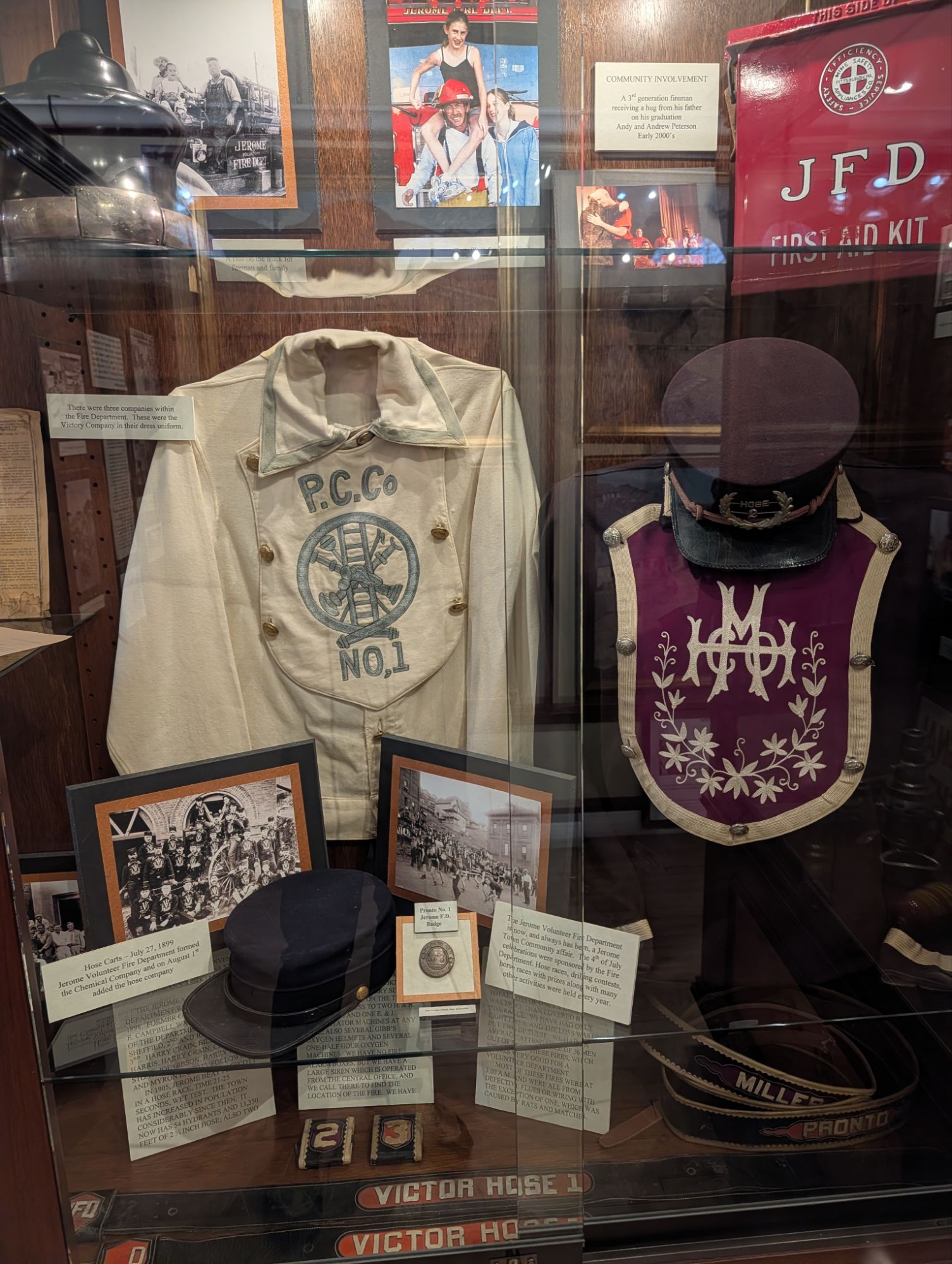
I must admit it is a little bit of a scenic tone and a cool place to kind of visit when you want to have a short escape from Sedona. They have quite a few museums in the area that are quite interesting to check out. The next few pictures are the ones that are from the historical museum on the main street.
They have everything from Firefighting outfits from the 1870s
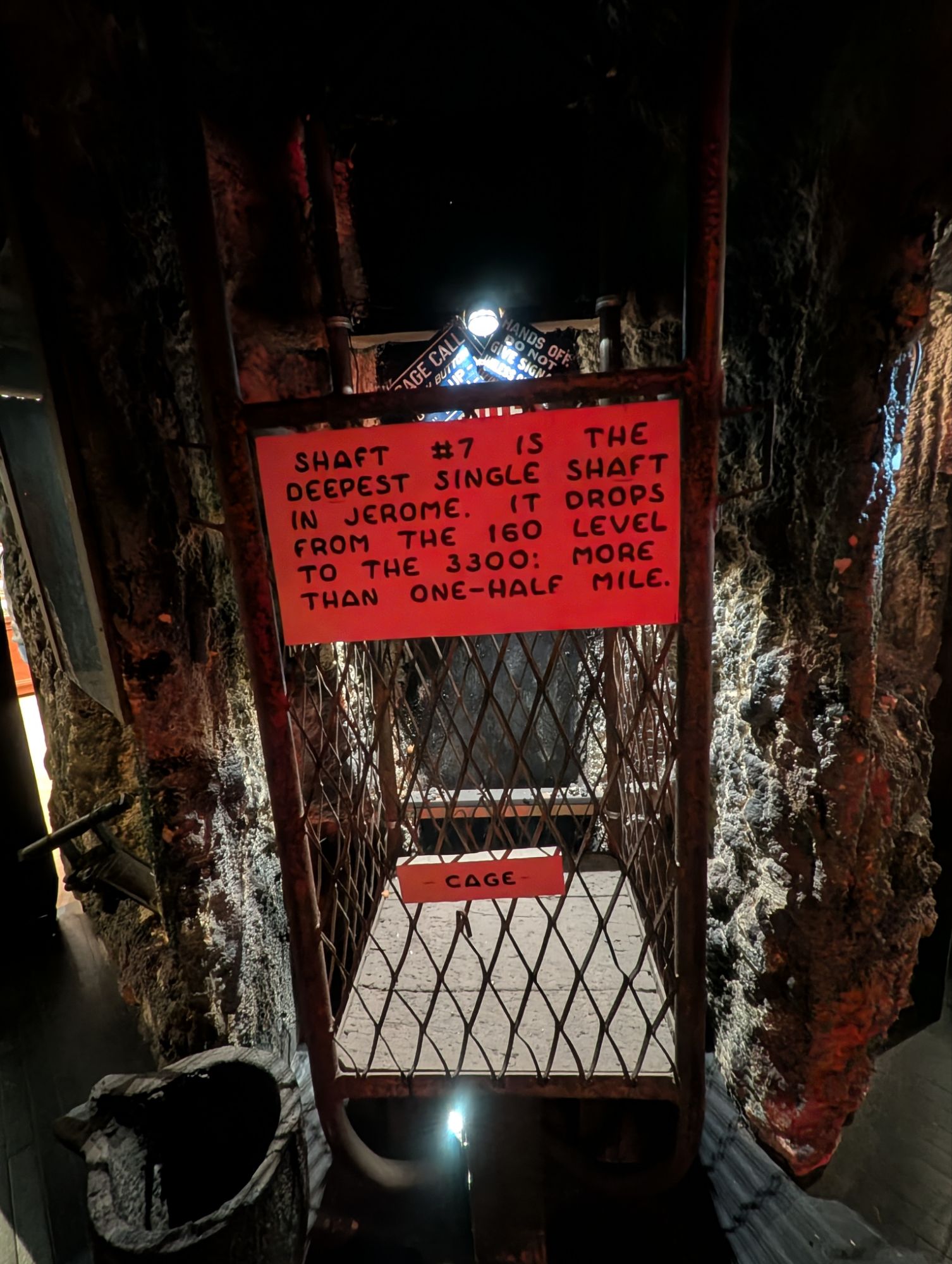
To some of the original mine shaft cages and equipment
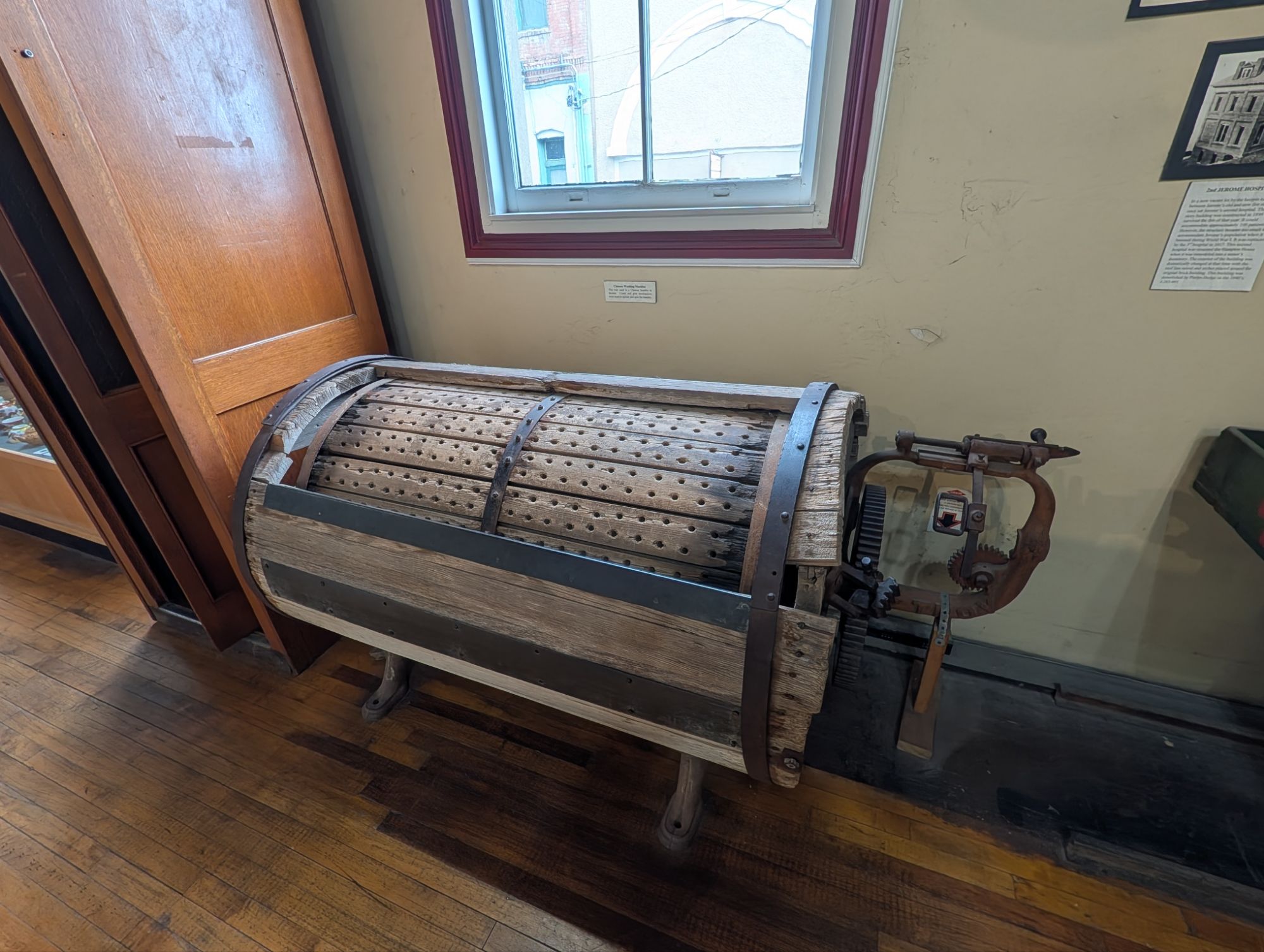
And even one of the original laundry washing machines from the Chinese laundry that existed in the town.
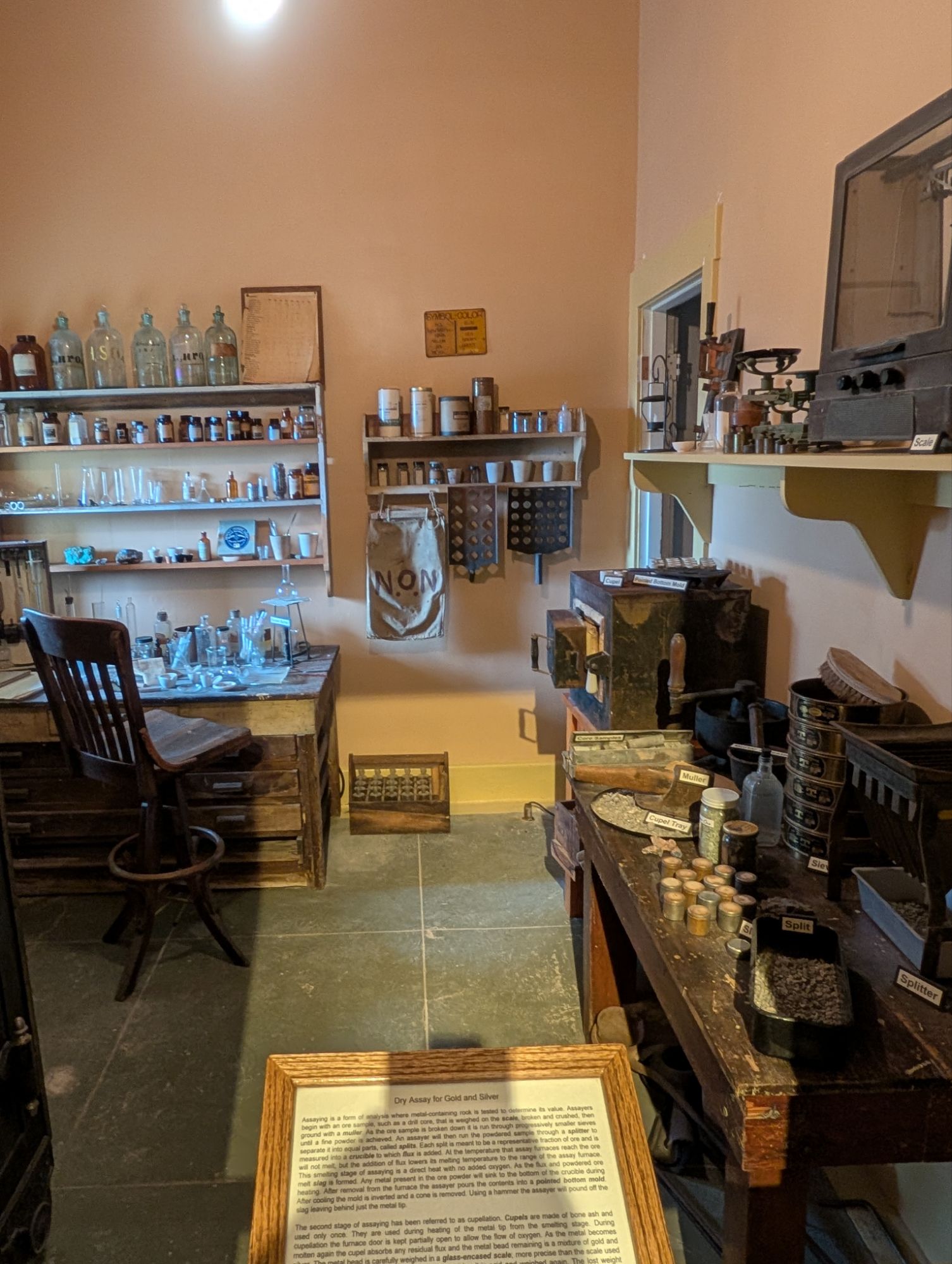
We then ventured over to the Jerome State Park which has enormous set of exhibits that was quite a delight to check out. They have everything from a chemistry lab.
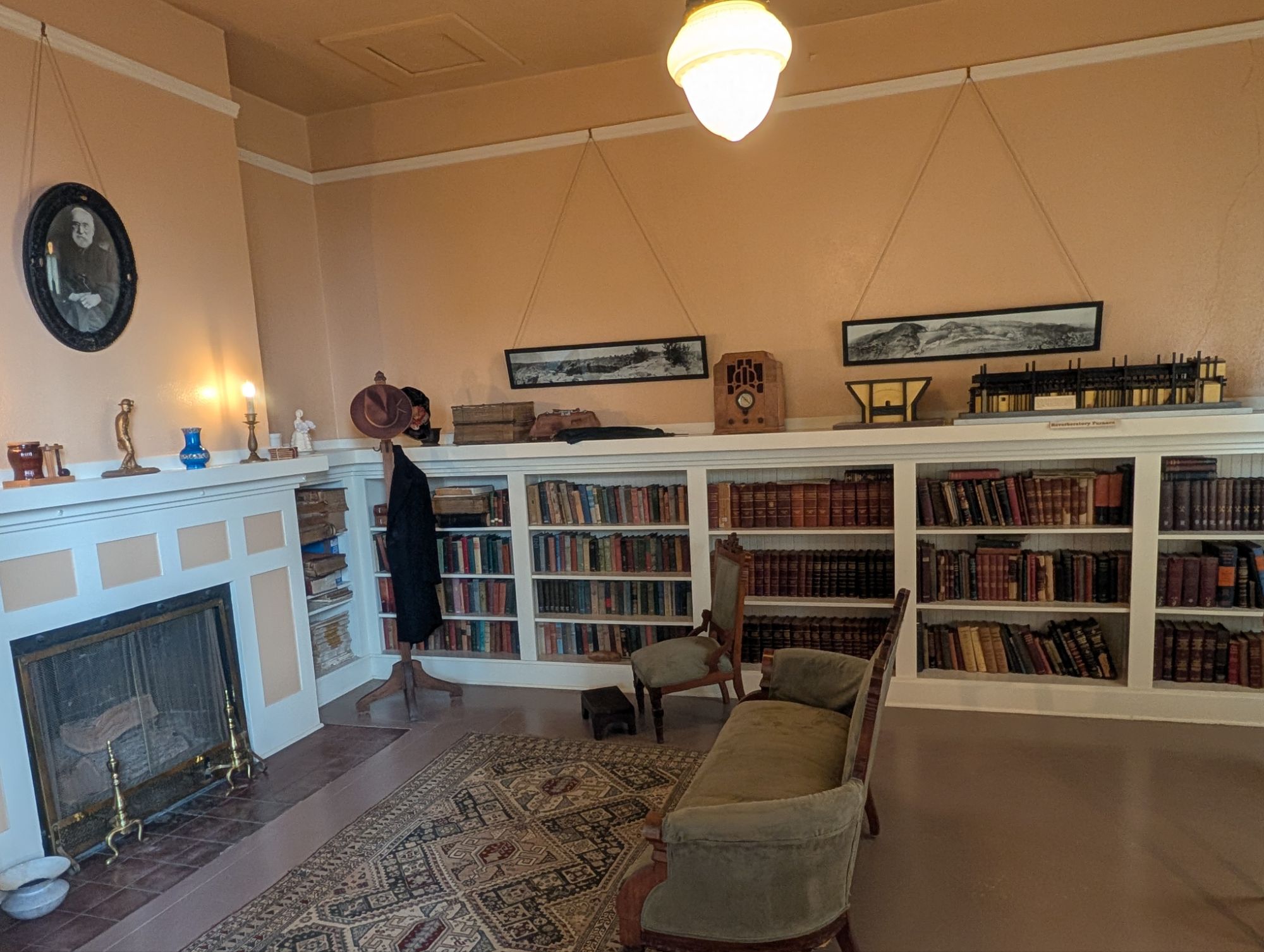
To the rooms of the mining company’s owner’s library.
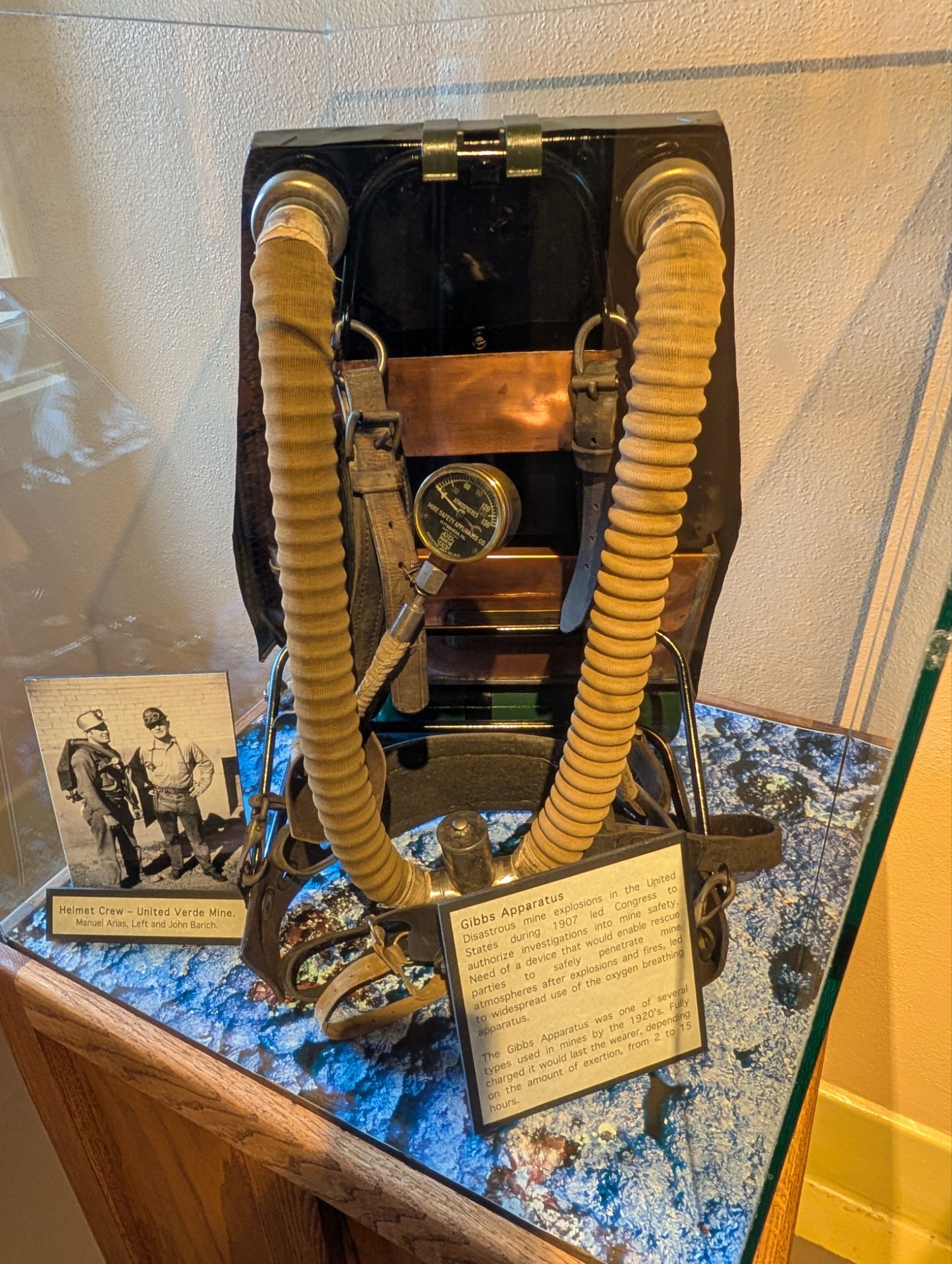
To some of the original oxygen breathing equipment when they have to go down in a mine when it’s full of toxic gasses.
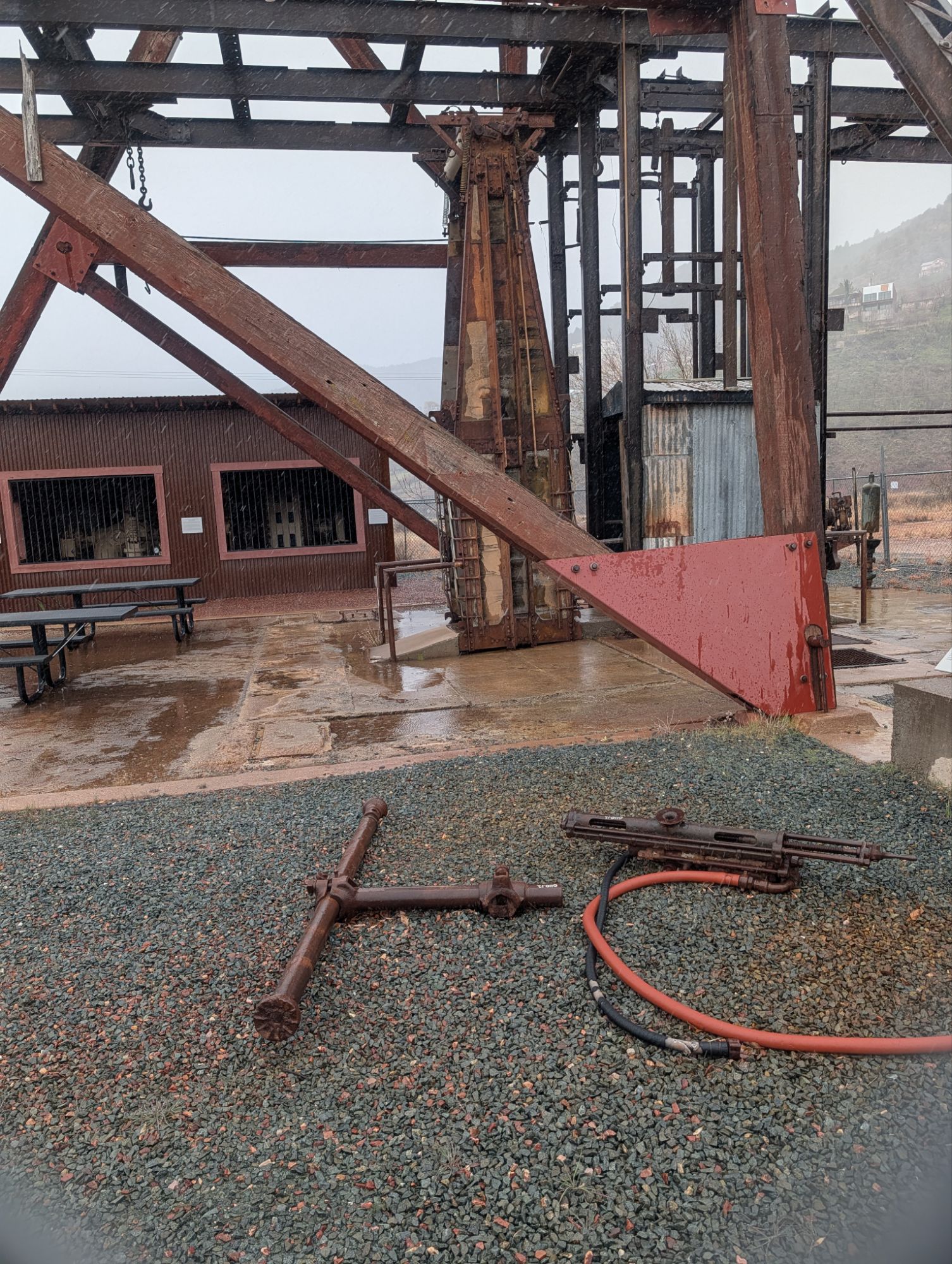
They have a lot of outdoor exhibits on some of the original shafts and equipment used to mine the various locations.
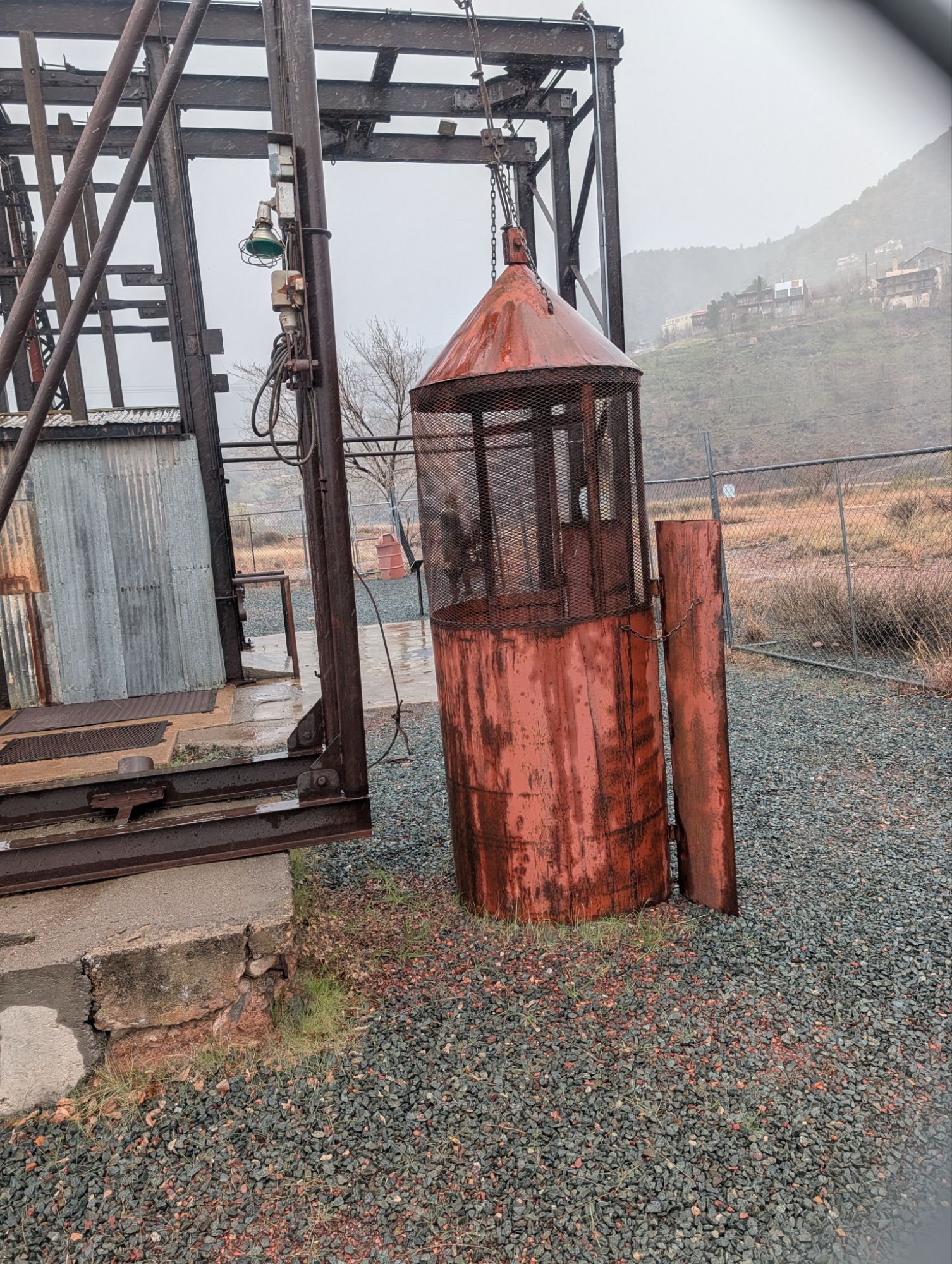
It is pretty cool to see the original cages that lowered them down almost 1000 feet from the surface which is amazing for the 1870s.
It was also awesome to have a 50% discount on the entire family when you are a veteran 🙂
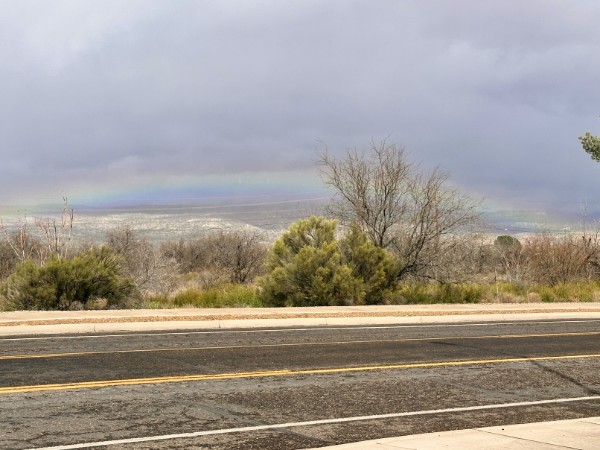
And then when we left there was a massive rainbow across the valley so we know it was a good way to celebrate the Chinese Lunar New Year!