
This week, I have a guest posting for all the travel lovers out there!
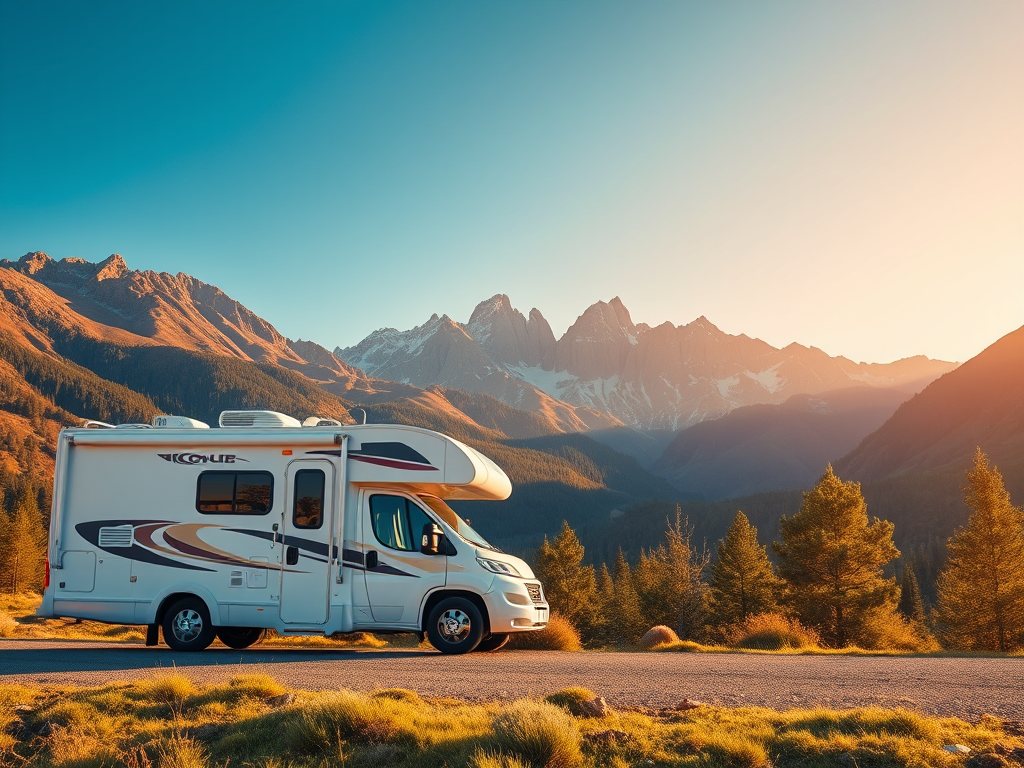
For travel enthusiasts with a steady job that can be done online, the digital nomad lifestyle starts to feel less like a daydream and more like a decision. The hardest part for remote work beginners is the core tension: trading the comfort of a fixed address for the uncertainty of RV living, while still needing focus, safety, and reliable routines. Selling your home can add emotional weight and real pressure, especially when friends and family don’t understand the pull of the road. With the right expectations, transitioning to RV life becomes a practical way to work, move, and live with intention.
Thriving as an RV Digital Nomad
- Decide whether selling or renting your property best supports your financial and lifestyle goals.
- Choose an RV thoughtfully by balancing budget, space needs, and everyday livability.
- Secure remote work suited to travel and set up a reliable, focused workspace.
- Maintain your RV with regular checks to prevent breakdowns and protect your schedule.
- Budget for nomad life and keep clients informed to stay dependable on the road.
Build Your RV Nomad Plan From Home to Wi-Fi
Here’s how to move from plan to action.This process helps you go from “I want to roam” to a workable setup by clarifying housing choices, picking an RV you can truly live and work in, and upgrading your skills for reliable remote income. For travel enthusiasts, it matters because the right decisions turn scenic routes and diverse destinations into sustainable, low-stress travel days.
- Step 1: Decide your home-base strategy
Start by choosing whether you will sell, rent out, or keep your current place as a backup base. Tie the choice to your travel tempo and risk comfort: selling can free cash for the RV and emergency fund, while keeping a base can reduce anxiety in the first year. Confirm your monthly “must pay” so you do not finance a dream with hidden fixed costs. - Step 2: Choose an RV that fits your workday, not just weekends
Choose your RV type by mapping your typical day: how many hours you work, how much desk space you need, and how often you want to move. Prioritize layout and payload for gear, water capacity, and a quiet place to take calls, then test-sit at a table or desk area like you would in a coworking space. Keep the decision simple by picking the smallest rig that still supports comfort, storage, and focus. - Step 3: Build a remote-work system you can repeat anywhere
Start with a “two-layer” connectivity plan: your primary hotspot plus a backup option, then add a power plan that covers a full workday. Create a lightweight workstation kit you can set up in five minutes: laptop stand, keyboard, headset, and a small light for video calls. Do one full practice week parked close to home to spot weak links before you rely on them on the road. - Step 4: Upgrade skills with an accelerated learning path
Choose one marketable skill lane for the next 60 to 90 days such as web development, data, IT support, or cybersecurity, then select a structured course that includes feedback and deadlines. Programs with coaching reach 70%+ completion, which can be the difference between “I started” and “I’m job-ready” when your schedule changes with travel. If you want a longer runway, compare certificate routes with an accelerated bachelor of science or accelerated computer science degree that can stack into career-ready projects. - Step 5: Run a budget and timeline check before you roll
Compare your estimated monthly RV costs with a realistic income plan, then set a departure date only after your emergency fund and connectivity plan are ready. Build in time for learning milestones and job applications, since global digital jobs performed remotely may rise by roughly 25% and competition rewards preparation. Confirm you can handle at least one unexpected repair without derailing your route.
You can travel farther and work calmer when your home, rig, and skills all support the same plan.
Plan → Travel → Work → Maintain → Review

This is the repeatable loop that keeps your RV life feeling like a trip, not a scramble. By separating movement days from deep-work days and scheduling upkeep before it becomes urgent, you stay present for the hikes, museums, food stops, and unexpected viewpoints that make diverse destinations worth the miles. The rhythm also fits a world where 22% of the workforce still works remotely, making consistency your real advantage.
| Stage | Action | Goal |
| Map the week | Choose travel days, work blocks, and rest windows | Fewer surprises, steadier energy |
| Scout and stage | Reserve spots, verify signal, set power plan | Arrival with internet and battery margin |
| Travel light | Drive early, fuel up, reset workspace on arrival | Calm arrivals and safe routes |
| Work in sprints | Batch calls, do focused tasks, protect offline hours | Deliverables shipped without burnout |
| Maintain and log | Inspect tires, fluids, and Brakes at every use | Fewer breakdowns and smoother drives |
| Review and adjust | Check spending, signal notes, and route pacing | Better next stop decisions |
When you repeat this loop, each phase supports the next: scouting makes work reliable, work funds travel, and maintenance protects your schedule. The review step turns every destination into better data for the following week.
Run the loop once, then let it carry you.
Pack-and-Launch Checklist for RV Nomad Life
To keep the rhythm going: This checklist turns How to Thrive as a Digital Nomad Living and Working from an RV into simple, repeatable actions so you can explore diverse destinations without work chaos. A few minutes of prep protects your time for trail days, food hunts, and unforgettable local experiences, especially when two-thirds of workers state their company offers a flexible remote working policy.
✔ Confirm sell-or-rent timeline, mail plan, and legal address.
✔ Set dual-internet backup and test video calls before moving.
✔ Track fixed costs, campground fees, fuel, and a repair buffer.
✔ Standardize client hours, response windows, and offline travel blocks.
✔ Check tire pressure, tire condition, lug nuts before departure.
✔ Inspect all exterior lights and signals to ensure working correctly.
✔ Log signal notes, expenses, and route lessons after each stop.
Do this once per week, and your next destination feels earned, not rushed.
Building Digital Nomad Confidence Through Consistent RV Routines

Living and working from an RV can feel like a constant tug-of-war between deadlines, logistics, and the desire for open-road freedom. The steadier path is the mindset this guide emphasizes: simple systems, realistic planning, and the willingness to adjust as you go, so achieving RV lifestyle goals stays manageable. When that approach becomes routine, digital nomad confidence grows, remote work feels more reliable, and embracing travel freedom stops being a gamble. Freedom comes easier when your days have structure you can trust. Choose one item from your checklist today and finish it before shutting the laptop. That momentum matters because it builds resilience and stability, so the road supports your health, focus, and long-term growth.
 David Cross Travel Blog